Corima
Corima: the history of a carbon wheel brand of excellence and its technical advances
If you are a cyclist looking for optimal performance or an enthusiast wanting to deepen your knowledge of bike wheels, this article is for you. We will trace the history of Corima, a renowned French brand in the field of carbon wheels, explore its technological innovations and detail its current range.
The history of Corima: a path to excellence
1973: first steps in composites
The history of Corima begins in 1973 in Loriol-sur-Drôme, in south-eastern France. Founded by Pierre Martin and Jean-Marie Riffard under the name “Coopération Riffard Martin” (Corima), the company initially specialised in designing moulds and prototypes in composite materials. Recognised for their low weight and strength, these were intended for a variety of sectors such as automotive, foundry and aerospace.
For more than a decade, Corima honed its skills in working with composites, developing rigorous technical know-how. This expertise, combined with a growing passion for cycling, formed the foundation on which the brand would build its future.
1988: the advent of carbon wheels
In 1988, Corima made a strategic shift by moving into cycling with a major innovation: a disc wheel made entirely of carbon. At a time when aluminium wheels predominated, this advance marked a turning point. Designed to offer an optimal balance of low weight, stiffness and aerodynamics, this wheel quickly caught the attention of professionals.
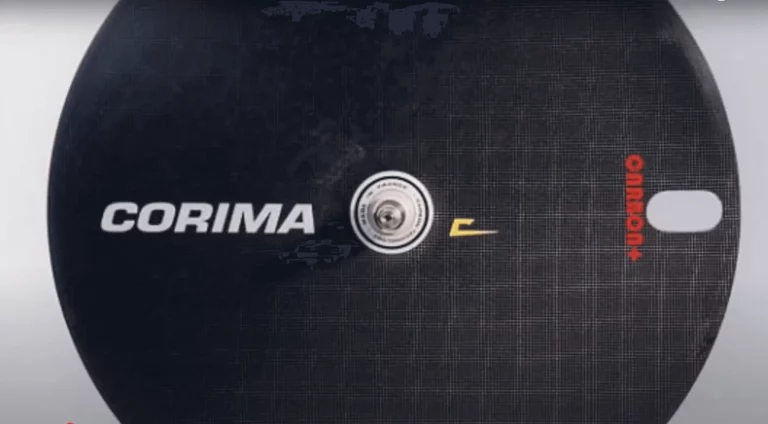
1991 saw the introduction of an emblematic design: the 4-spoke wheel. This bold, high-performance model consolidated Corima’s reputation as a pioneer in carbon wheels. These early creations reflect a clear ambition: to push the technical limits to improve cyclists’ performance.
The 1990s: a rise on the international stage
The 1990s propelled Corima to the rank of world benchmark. The brand equipped legendary cycling figures such as Laurent Fignon, who achieved success with Castorama thanks to innovations like the Manta aero handlebar, or Chris Boardman, dominant on the track with Corima wheels. These partnerships strengthened the company’s credibility and amplified its visibility.
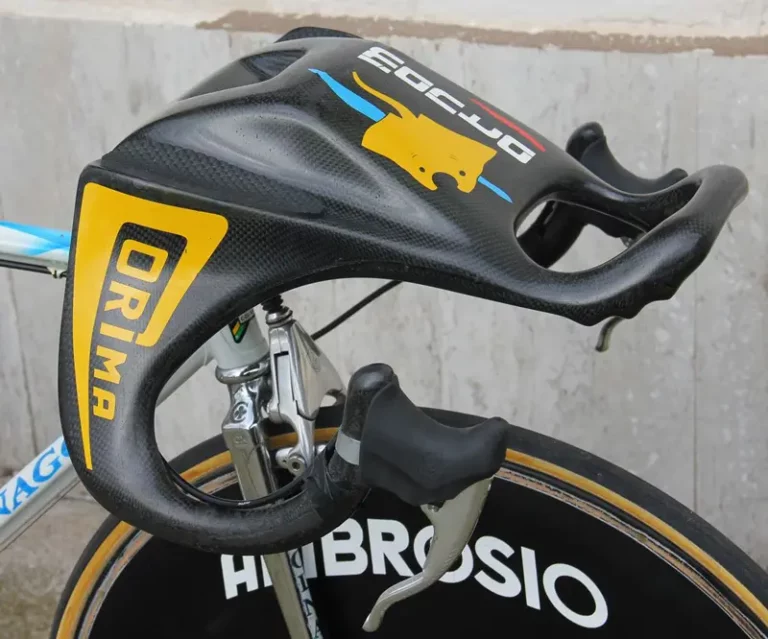 Laurent Fignon’s Manta handlebar
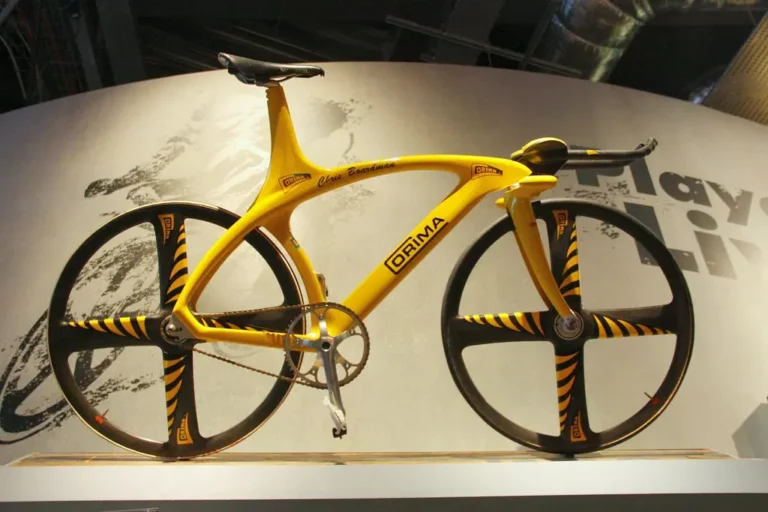 Chris Boardman’s bike for his Hour record
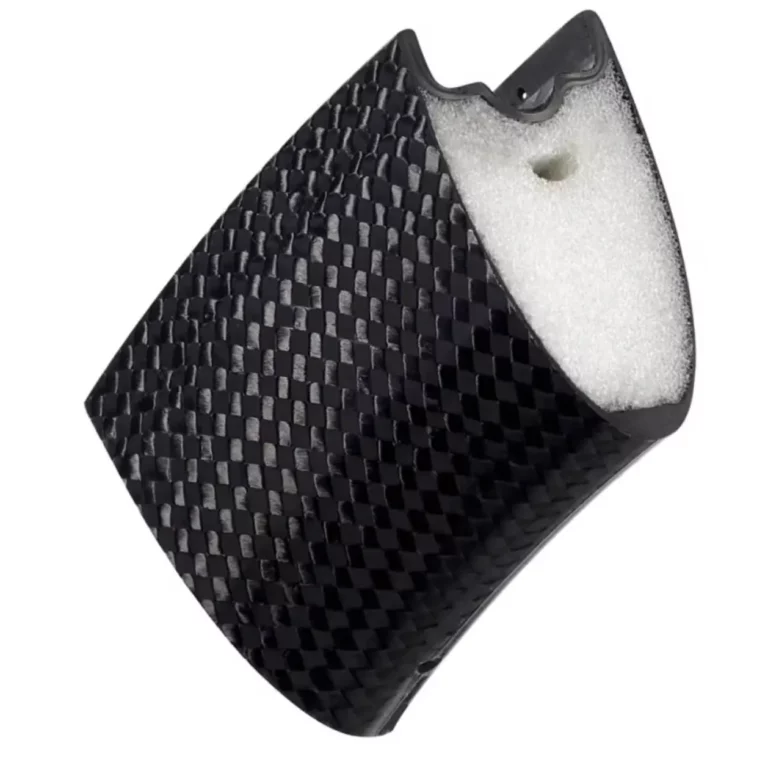
At the same time, Corima began making monocoque carbon frames, incorporating advanced technologies such as the “torsion box”. This structure, reinforced with an aerospace-derived foam, optimises stiffness while minimising weight – a decisive asset for racers. This period saw Corima establish itself as a key player in top-level cycling.
The 2000s: focus and refinement
In 2004, Pierre-Jean Martin succeeded his father at the head of Corima, bringing a modernised vision while preserving the brand’s technical heritage. The company refocused its efforts on carbon wheels, abandoning frames in 2011 to concentrate on its area of excellence. This decade saw the emergence of the MCC wheel in 2010, an all-carbon model rewarded for its design and adopted by professional teams, notably Astana, a partner for 10 years.
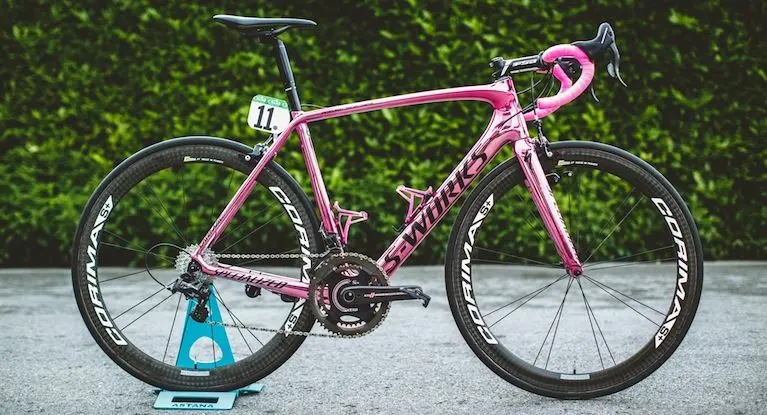 The Shark of Messina’s bike when he won the Giro
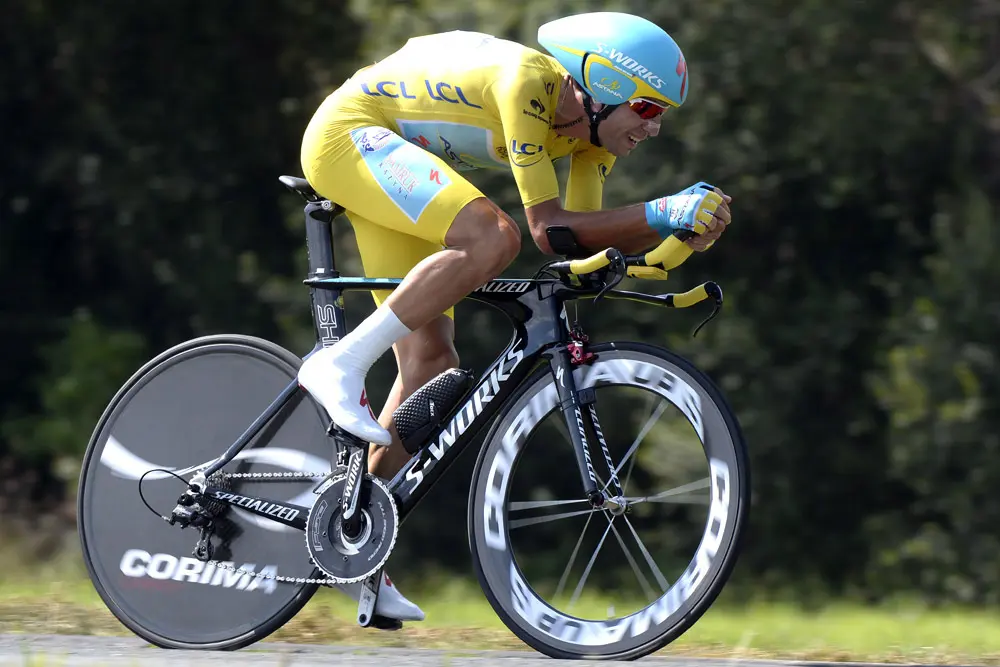 Nibali celebrating his Tour de France win
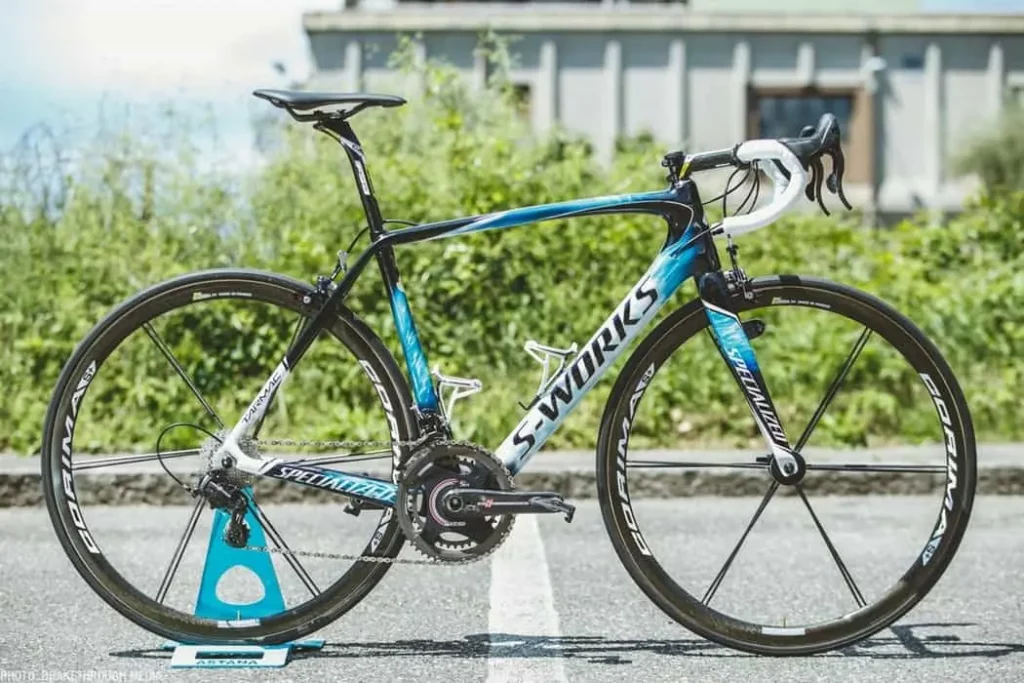 Nibali’s bike with the famous MCC wheels
Track cycling remains a pillar, with close collaborations such as the one with the French Cycling Federation. Every wheel, handmade in the Loriol-sur-Drôme workshops, reflects a constant commitment to quality and performance.
2016 to today: synergies and adaptation
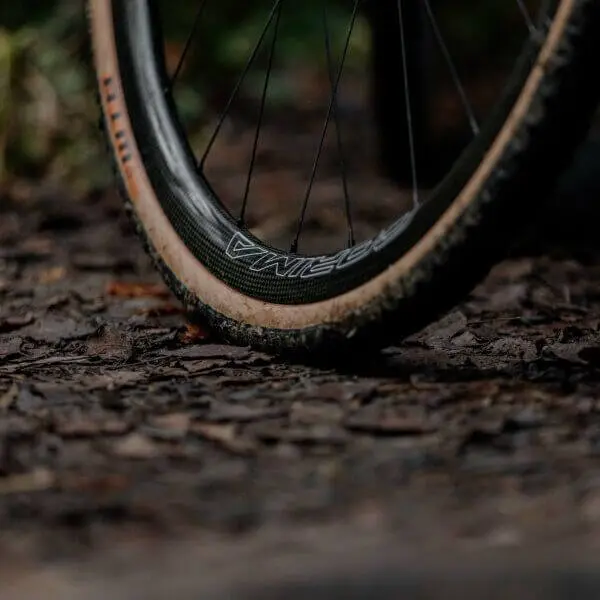
In 2016, Corima entered a strategic partnership with LOOK Cycle, the French leader in carbon frames and pedals. This alliance strengthened their capacity for innovation, notably in emerging segments such as gravel and disc brake systems. While adapting to market changes, Corima has kept its DNA: carbon wheels designed for performance.
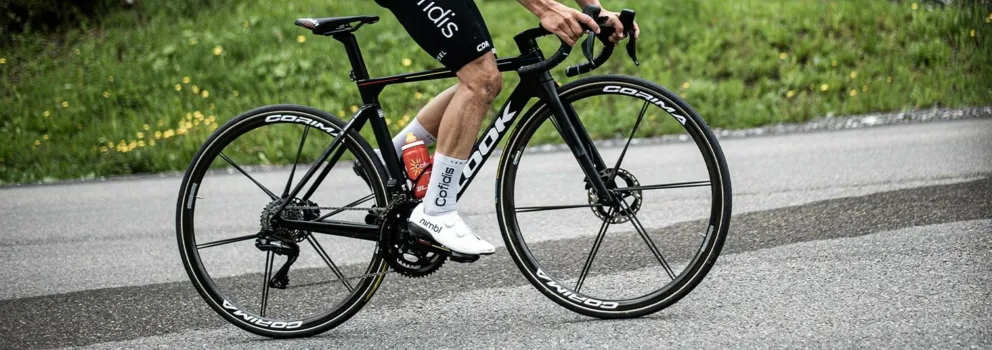
Free of its commitment to Look since 2025, the brand supports top athletes such as Laurent Jalabert and the French Track Cycling Team for the 2024 Olympics. Its record – world medals and Grand Tour victories – bears witness to expertise refined over more than three decades.
Corima’s innovations: cutting-edge technology
Let’s move on to the technical advances that set Corima apart. Here are the keys to their success.
Pre-preg carbon: exemplary manufacturing
Corima uses pre-preg carbon sheets, supplied by a supplier based in the Ain, then moulded by hand in its Loriol-sur-Drôme workshops. This process guarantees an even distribution of resin, ensuring exceptional strength and reduced weight. This craft approach is a guarantee of quality and consistency, essential for high-end carbon wheels.
The torsion box: stiffness and efficiency
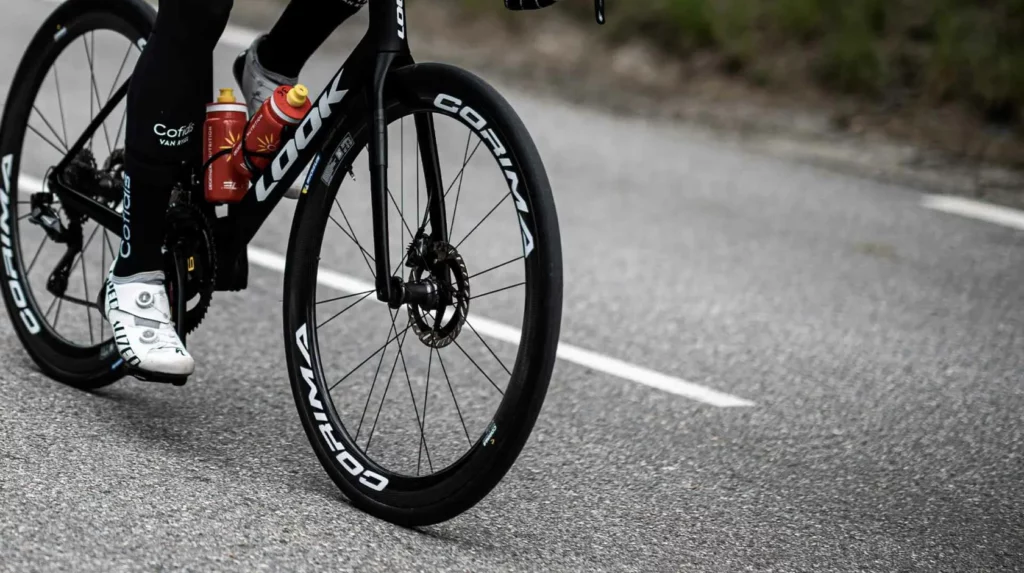
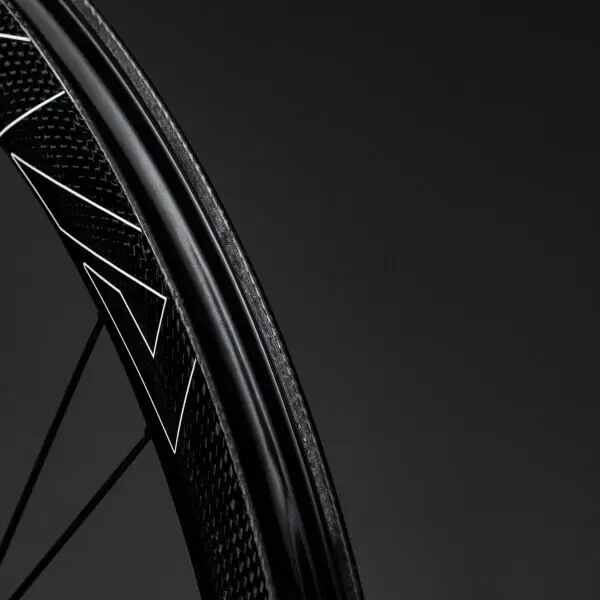
The “torsion box” is a distinctive innovation. By incorporating a light, aerospace-derived foam and a reinforcing bar into the structure, Corima optimises lateral stiffness without increasing mass. This technology maximises power transfer, a notable advantage on climbs or during intense efforts.
The MCC and its unique carbon spokes
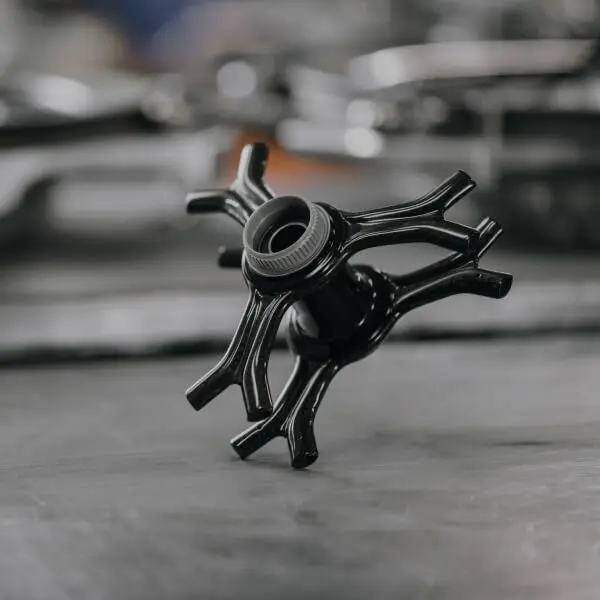
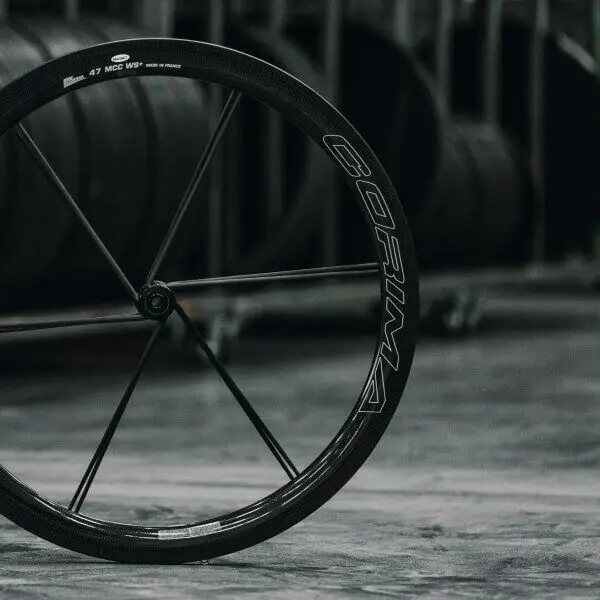
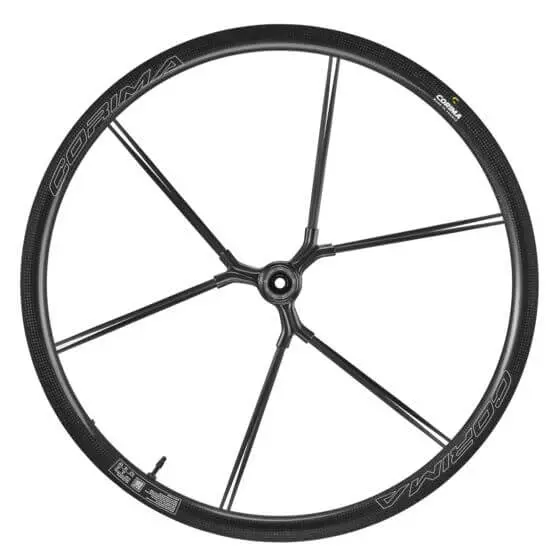
Among Corima’s flagship innovations, the MCC (Molded Carbon Concept) series stands out for its exceptionally designed carbon spokes. Introduced in 2010 and refined with versions such as the MCC DX, this wheel has 12 one-piece carbon spokes, moulded directly into the rim and hub during manufacturing. Unlike traditional steel spokes or adjustable-tension systems, these fixed spokes form an integral structure with the wheel, eliminating any play and optimising lateral stiffness. This approach, born of Corima’s mastery of composites, offers unrivalled power transfer, essential for sprints or steep climbs, while reducing weight – a key advantage for racers. Tested in the wind tunnel and in the biggest races, these spokes embody the brand’s craftsmanship, guaranteeing aerodynamics and durability, even under the extreme stresses of professional cycling.
The Corima range: a diverse offer
Corima offers a range suited to every discipline. Here is an overview of the options available.
Road: performance and versatility
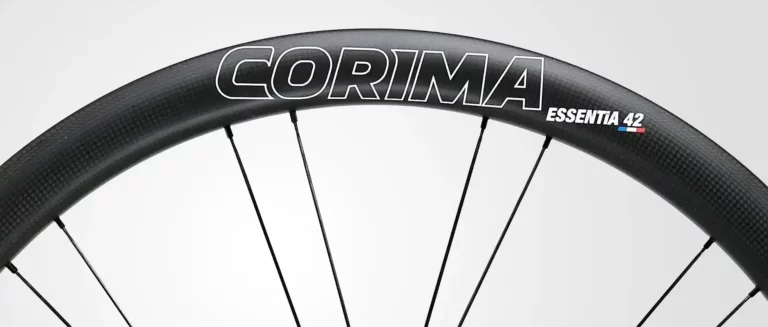
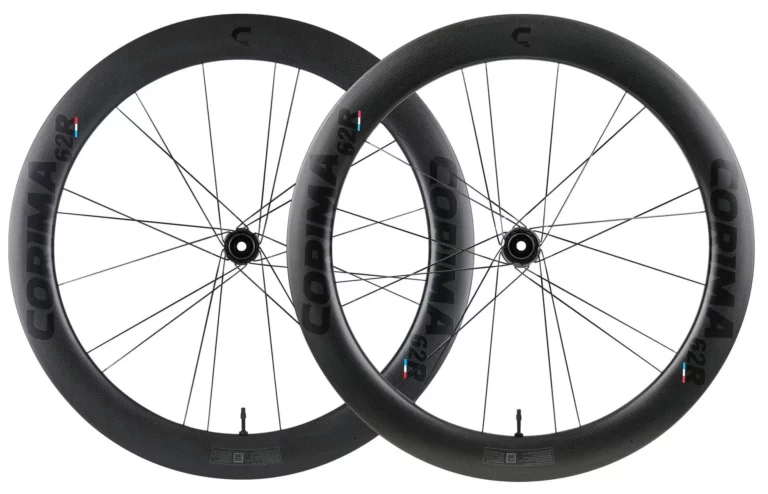
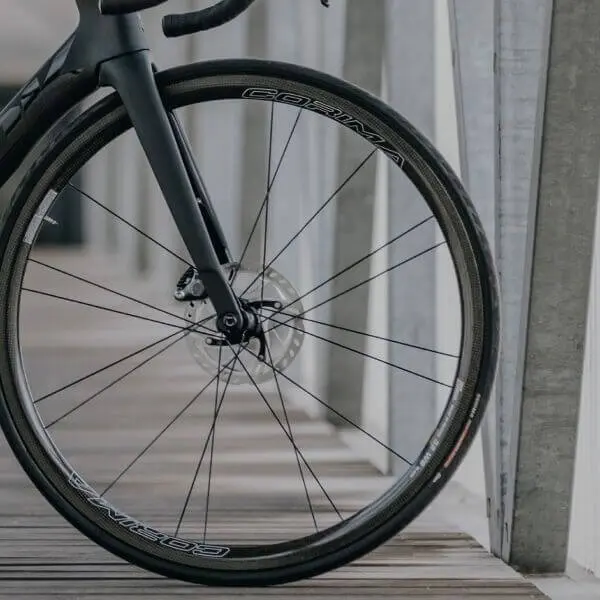
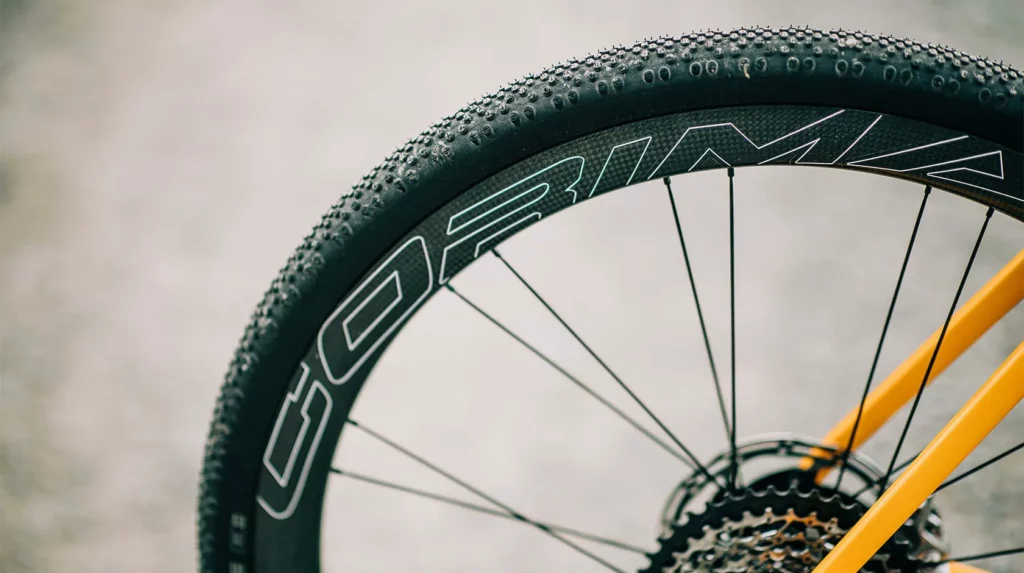
The WS Black series, available in various depths (32 mm, 47 mm), excels on the road thanks to its aerodynamics and low weight. The MCC, with its 12 carbon spokes, is designed for racers seeking maximum stiffness. The Essentia 40 offers a versatile alternative for demanding cyclists.
 MCC
 WS
 Essentia
Track and parasport: specialised expertise
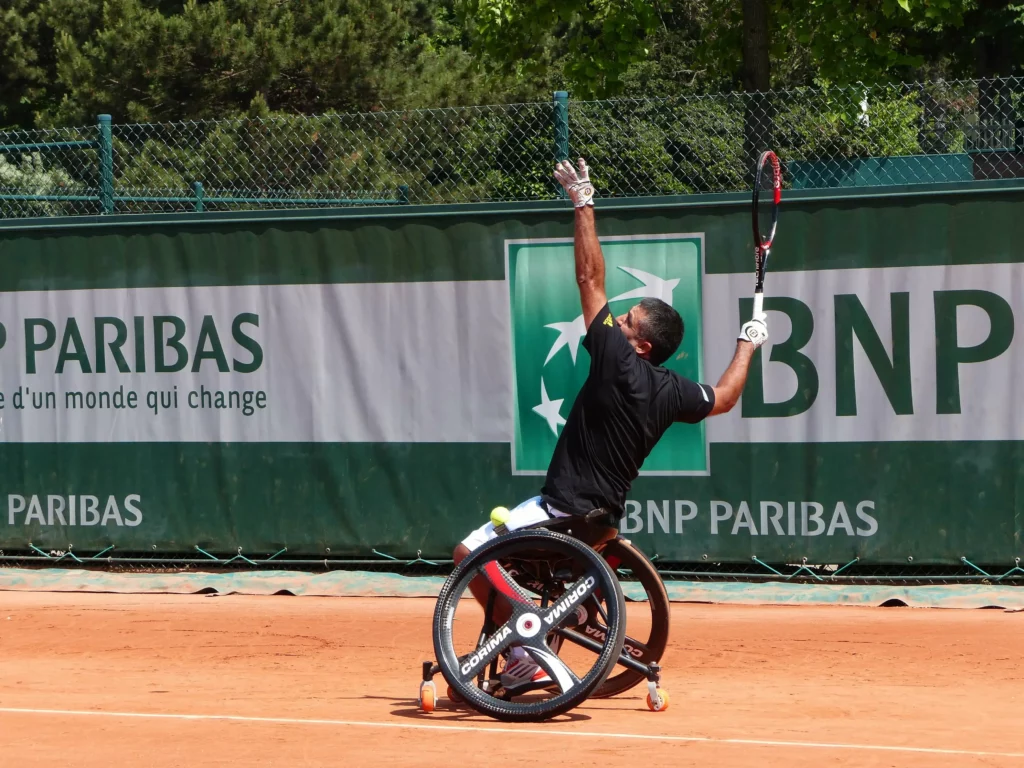
On the track, the Lenticular C+ and 4-spoke wheels dominate thanks to a design focused on speed. In parasport (tennis, handbike), Corima is the world leader with made-to-measure models, offering durability and performance suited to Paralympic athletes.
Why choose Corima?
Opting for Corima carbon wheels means choosing a French brand that combines heritage, innovation and proven results. Their French manufacturing, their involvement in racing and their attention to detail make them a favoured choice for serious cyclists. Although they represent a substantial investment, their quality and longevity make them a safe bet.
More information on the official Corima website