
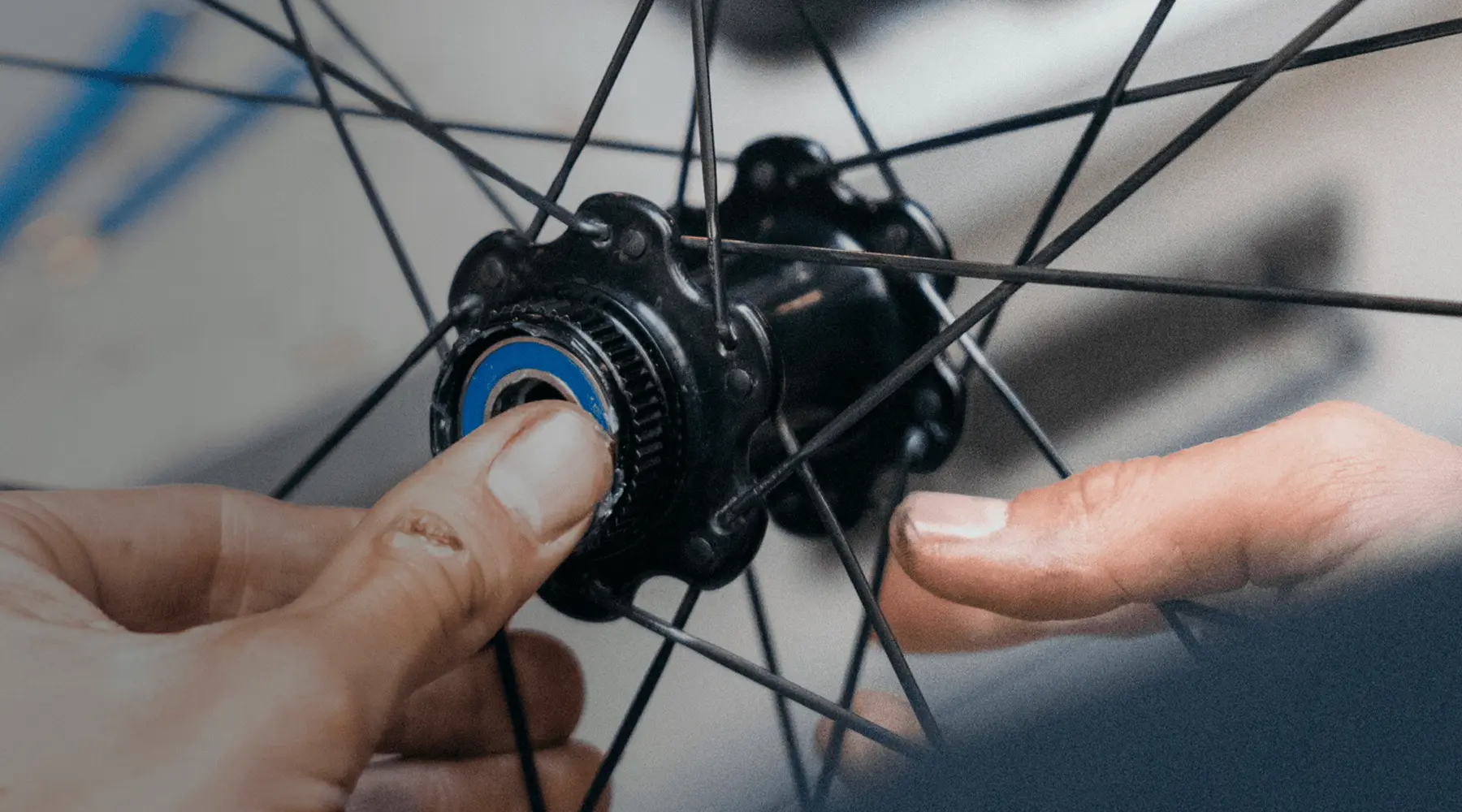
Ceramic bearings for bike wheels: everything you need to know
Ceramic bearings have become an unavoidable topic in the world of cycling, often presented as a major innovation for improving the performance of bike wheels. But what is the reality? Between promises of speed gains, greater durability and high costs, this technology raises as much enthusiasm as it does questions. In this article, we will explore in detail what ceramic bearings are, their advantages and their limits, how relevant they are to your riding, and the best ways to maintain them. Whether you are a seasoned racer or an amateur cyclist, here is a complete guide to understanding whether this technology deserves your attention.
Why is there so much talk about ceramic bearings?
In cycling, where every detail can influence performance, bearings play a discreet but essential role. Located at the heart of the wheel hubs, they reduce friction and ensure smooth rotation. In recent years, ceramic bearings have established themselves as an alternative to traditional steel bearings, with tempting promises: less friction, longer life and measurable speed gains. According to a study carried out by Friction Facts in 2013, taken up and confirmed by more recent tests in 2022 by CyclingCeramic, ceramic bearings could reduce friction losses by 20 to 30% compared with standard steel bearings.
But are these impressive figures enough to justify their widespread adoption? With prices sometimes three to five times higher than those of steel bearings, it is legitimate to ask whether this investment makes sense for every cyclist. This article offers an in-depth analysis to demystify this technology and help you decide whether it meets your needs in 2025, a year in which cycling innovations continue to push the limits of performance.
What is a ceramic bearing?
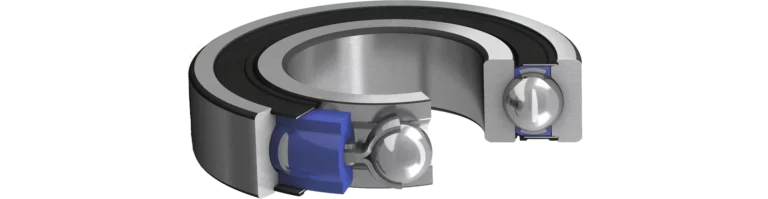
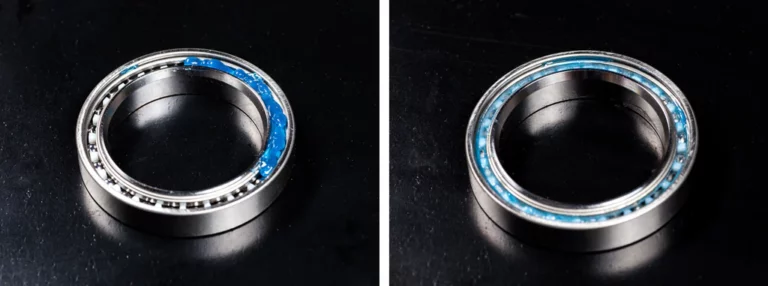
A bearing is a mechanical part made up of balls held between two races (inner and outer), which allows a component to rotate – here, the hubs of bike wheels.
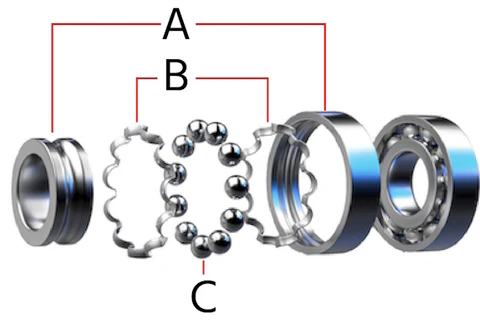 Bearing
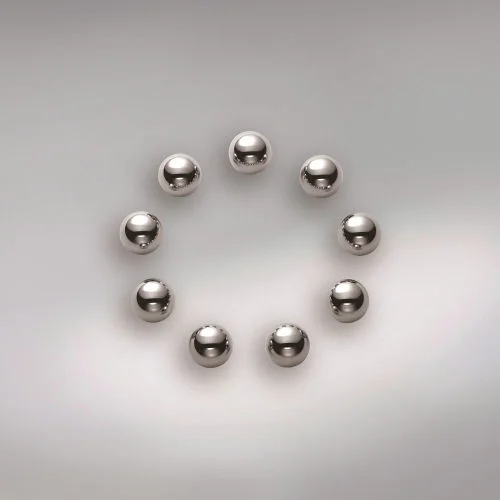 Balls
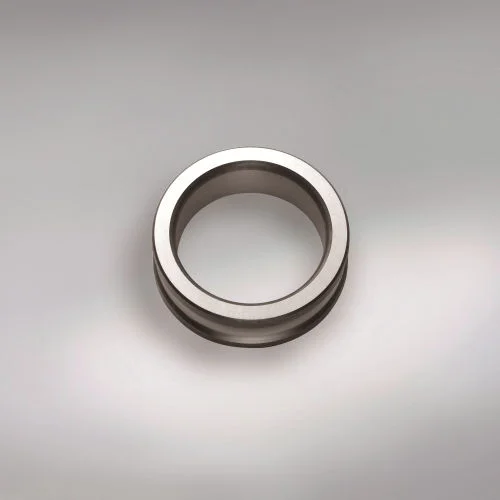 Inner race
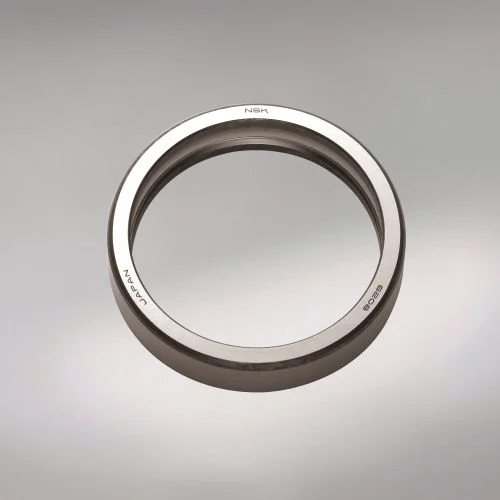 Outer race
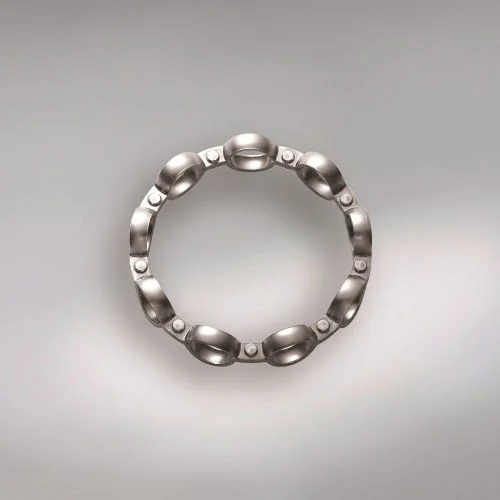 Cage
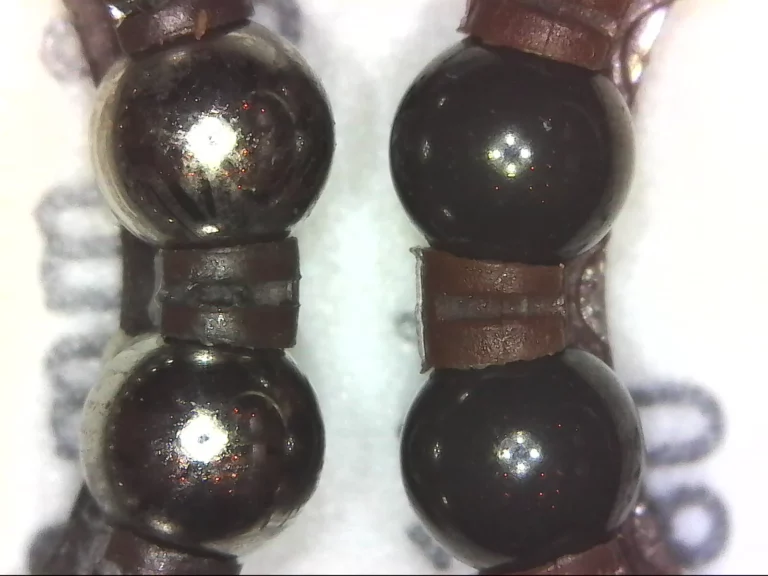
Traditionally, these balls are made of chrome steel, a robust and economical material. Ceramic bearings, on the other hand, use silicon nitride (Si3N4) balls, a non-metallic ceramic material known for its exceptional hardness (around 1,400 Vickers against 700 for steel) and its low weight (density of 3.2 g/cm³ against 7.8 g/cm³ for steel).
There are two main types of ceramic bearings in cycling:
- Hybrid: The balls are ceramic, but the races remain steel or stainless steel.
- Full ceramic: Balls and races are entirely ceramic, a rarer and more expensive option reserved for high-end applications.
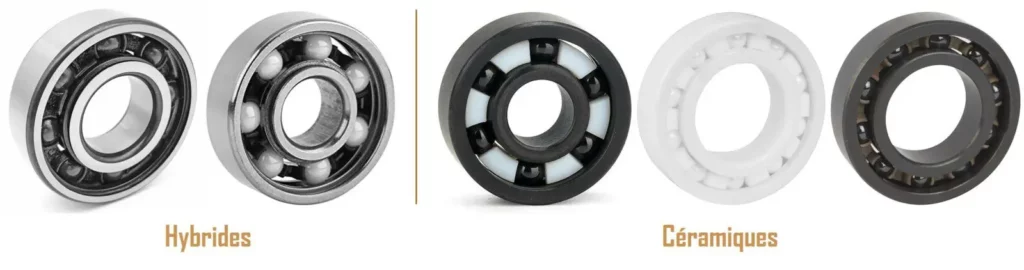
These bearings are found mainly in wheel hubs, but also in bottom brackets and derailleur jockey wheels. Their main asset? A smoother surface and greater hardness, which minimise friction and wear. According to a CeramicSpeed study (2021), the average roughness of ceramic balls is of the order of 0.02 micrometres, against 0.1 micrometres for polished steel, which significantly reduces rolling resistance.
The advantages: why are cyclists so keen on them?
Ceramic bearings offer several measurable advantages, which explain their growing popularity among professional cyclists and demanding amateurs. Let’s look at them in detail:
Reduced friction
The main argument in favour of ceramic bearings is their ability to reduce friction losses. An independent study carried out by Friction Facts showed that hybrid ceramic bearings reduce resistance by 1.5 to 2 watts per wheel compared with standard-quality steel bearings. For a complete bike (front and rear hubs), that is a potential gain of 3 to 4 watts. While this figure may seem modest, it becomes significant in races where every second counts. For example, over a 40 km time trial at 45 km/h, this gain could translate into a saving of 10 to 15 seconds, according to simulations carried out by Cycling Power Lab.
Greater durability
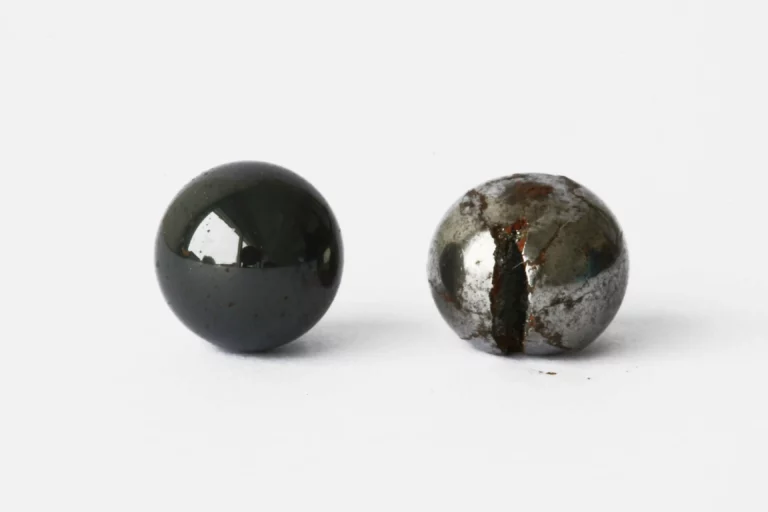
Ceramic resists corrosion and wear better than steel. Analyses show that hybrid ceramic bearings have an average lifespan 3 to 5 times longer than steel bearings in wet or dusty conditions, thanks to their immunity to rust and their resistance to abrasive particles. This makes them a favoured choice for cyclists who ride in all weathers.
Low weight
As ceramic balls are 60% lighter than their steel counterparts, they reduce the total weight of the bearings. For a high-end wheelset, that is a saving of 10 to 20 grams – a modest advantage, but one appreciated by climbers or racers looking to optimise every detail.
Performance at high speed
At high speeds (above 40 km/h), friction in the bearings becomes more significant. A CyclingCeramic study (2022) showed that ceramic bearings maintain their thermal and mechanical efficiency where steel heats up and loses smoothness, offering a tangible advantage on descents or fast routes.
These benefits are particularly noticeable for professional cyclists. Several teams, including Ineos Grenadiers, have used CeramicSpeed ceramic bearings on their wheels, attributing part of their results in time trial stages to this technology. When they are not sponsored, teams discreetly buy and change the bearings to maximise performance.
The limits: not everything is perfect
Despite these assets, ceramic bearings are not without their faults. A balanced assessment must take their limits into account:
High cost
Price remains a major obstacle. In 2025, a set of hybrid ceramic hub bearings costs between €100 and €200, against €20 to €50 for good-quality steel bearings. For a complete wheelset with ceramic-equipped hubs, the extra cost can reach €300 to €500. This investment is hard to justify for leisure riding.
Sometimes subtle gains
The performance benefits are real, but their impact varies with the rider’s level. One study compared ceramic and steel bearings over a flat 50 km course: at an average power of 200 watts, the performance gain was only a few percent. For an occasional cyclist, this gain is imperceptible, unlike for a racer riding at 400 watts or more.
Specific maintenance
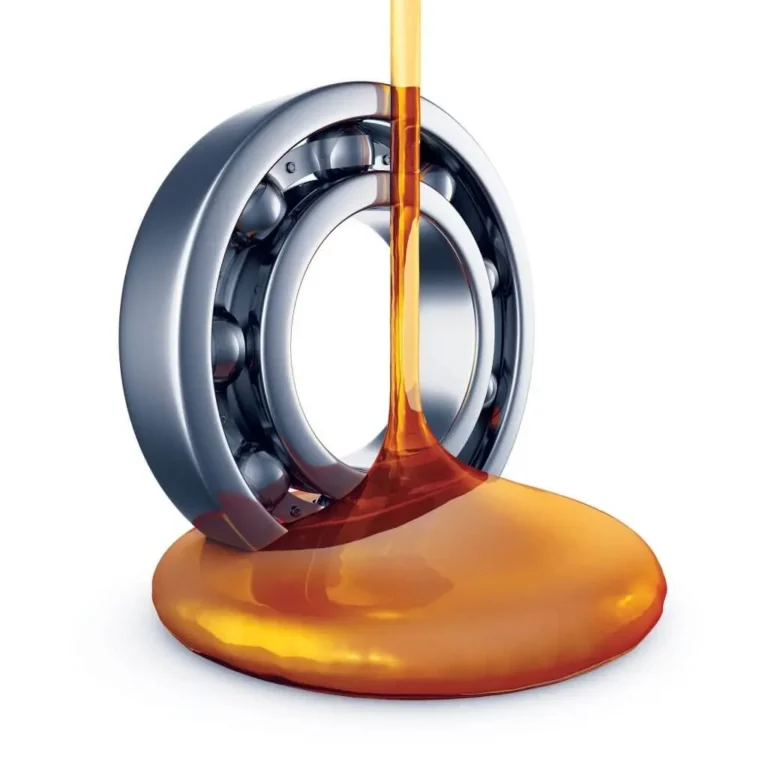
Although more durable, ceramic bearings need careful maintenance. Mud, sand or unsuitable lubrication can reduce their efficiency. According to CyclingCeramic (2023), excessive lubrication with a thick grease can increase friction by 10 to 15%, partly cancelling out their advantages.
So, are they worth it for you?
Choosing ceramic bearings depends on your profile and your goals. Here is an analysis to guide you:
For racers and enthusiasts
If you race or are looking to optimise every watt, ceramic bearings are a relevant investment. The cumulative gains (speed, durability, smoothness) can make the difference on demanding courses. Professional teams, such as those equipped by CeramicSpeed or CyclingCeramic, are proof of this.
For occasional cyclists
For leisure riding or moderate rides (less than 5,000 km a year), quality steel bearings (ABEC 5 or 7 grade) are more than enough. The extra cost of ceramics does not bring an advantage proportionate to your use.
A compromise?
Some brands, such as Black Bearing or Enduro Bearing, offer hybrid bearings at intermediate prices (€70-100). They offer a good share of the advantages of ceramics without reaching the price peaks of high-end models. If possible, try a wheelset fitted with them before deciding – personal feel remains a key criterion.
A technology that turns heads
Ceramic bearings represent a significant advance in bike wheels, with tangible advantages in terms of reduced friction, durability and performance. The data are clear: a 3 to 4 watt reduction in friction, three times the longevity in wet conditions, and a smoothness appreciated by the pros. However, their high cost and their sometimes subtle gains limit their relevance to the most demanding cyclists.
In 2025, as cycling technology continues to evolve, ceramic bearings are establishing themselves as a strategic choice for those aiming for excellence, but they are not a necessity for everyone.
Bonus: what is a grade?
Here is a detailed table showing the different grades of bearing balls, particularly for the bearings used in bike wheels (steel or ceramic). These grades, defined by standards such as those of ABEC (Annular Bearing Engineers’ Committee) or ISO, measure the precision and tolerance of the balls, which affects their performance and cost. I will explain the most common grades and include information relevant to cyclists.
Table: bearing ball grades
| Grade | Tolerance (µm) | Roughness (Ra, µm) | Typical materials | Use in cycling |
|---|---|---|---|---|
| Grade 25 | ±25 | ~0,025 | Chrome steel, ceramic | Basic bearings (entry-level bikes) |
| Grade 10 | ±10 | ~0,015 | Chrome steel, ceramic | Standard hubs, mid-range bikes |
| Grade 5 | ±5 | ~0,010 | Steel, hybrid ceramic | High-end hubs, occasional racing |
| Grade 3 | ±3 | ~0,005 | Hybrid ceramic, full ceramic | Racing bearings (pro level) |
| Grade 1 | ±1 | ~0,002 | Full ceramic | Ultra-specialised applications (aerospace, extreme pro cycling) |
Detailed explanations
- Grade and tolerance:
- The “grade” indicates the dimensional tolerance of the balls (in micrometres, µm), that is, the maximum deviation from a perfect sphere. A lower grade number (e.g. Grade 3 vs Grade 25) means a more precise ball.
- For example, a Grade 25 ball can vary by ±25 µm, while a Grade 3 ball varies by only ±3 µm.
- Roughness (Ra):
- Average roughness (Ra) measures the smoothness of the ball surface. A lower value (e.g. 0.005 µm for Grade 3) reduces friction, a key criterion for high-end ceramic bearings.
- Materials:
- Chrome steel: Standard for grades 25 to 5, economical and durable, but heavier and prone to corrosion.
- Hybrid ceramic: Silicon nitride balls with steel races, popular in grades 5 and 3 for cycling.
- Full ceramic: Ceramic balls and races, reserved for grades 3 or 1, ultra-light but expensive.
- Use in cycling:
- Grade 25: Sufficient for a city bike or basic use, where performance is not critical.
- Grades 10 to 5: Standard in quality hubs (e.g. Shimano Ultegra, Campagnolo Chorus), suitable for most amateur cyclists.
- Grade 3: Used by brands such as CeramicSpeed or CyclingCeramic for professional racers, where every watt counts.
- Grade 1: Extremely rare in cycling, reserved for industrial or experimental applications.
- Advantages and disadvantages:
- The highest-precision grades (3 and 1) offer exceptional smoothness, but their cost and fragility (especially in ceramic) limit their use.
- The lower-precision grades (25, 10) are robust and affordable, but generate more friction, which reduces efficiency at high speed.
Context for bikes
In cycling, the ABEC standards (e.g. ABEC 1, ABEC 3, ABEC 5, ABEC 7, ABEC 9) are often used to simplify the classification of bearings, although they do not directly reflect the grade of the balls alone, but the bearing as a whole (balls + races + seals). Here is an approximate correspondence:
- ABEC 1 ≈ Grade 25
- ABEC 3 ≈ Grade 10
- ABEC 5 ≈ Grade 5
- ABEC 7 ≈ Grade 3
- ABEC 9 ≈ Grade 1
For ceramic bearings, manufacturers such as CeramicSpeed or CyclingCeramic often quote Grade 5 or 3 balls, guaranteeing optimal precision to reduce energy losses. One study indicates that Grade 3 silicon nitride balls reduce friction by 25% compared with Grade 10 steel balls.
An overview of the biggest brands
Bearings are at the heart of road bike hub performance, and the choice of brand can make all the difference in terms of smoothness, durability and cost. The following table presents a selection of the main bearing manufacturers, specialising in steel or hybrid ceramics, and recognised for their quality in cycling or for suitable industrial applications. Whether you are looking to optimise your wheels for racing or to replace a worn bearing, these brands offer a range of options to meet every need and budget.
Final table: bearing brands for road bike hubs
| Brand | Speciality | Bearing types | Strengths | Price range (indicative) |
|---|---|---|---|---|
| CeramicSpeed | High-end ceramic bearings | Hybrid ceramic, full ceramic | Ultra-low friction, durability | €50-300 per set |
| CyclingCeramic | Affordable ceramic performance | Hybrid ceramic, full ceramic | Excellent value for money | €40-200 per set |
| SKF | Industrial and cycling bearings | Steel, hybrid ceramic | Reliability, availability | €10-100 per set |
| NTN | Japanese precision | Steel, hybrid ceramic | Robustness, precision | €15-120 per set |
| NSK | Industrial precision | Steel, hybrid ceramic | Japanese quality, reliability | €15-130 per set |
| Enduro Bearings | Bearings optimised for cycling | Steel, hybrid ceramic | ABEC 3/5 options, durability | €5-80 per set |
| Black Bearing | Accessibility and performance | Steel, hybrid ceramic | Competitive price, good quality | €5-60 per set |
| Chris King | Premium custom bearings | Steel, hybrid ceramic | Craftsman precision, longevity | €50-200 per set |

Leave a Reply