Hunt
If you are a cyclist curious about the evolution of the brands that shape our sport, or an enthusiast trying to understand how a company can shake up the wheel market in less than a decade, this article on Hunt is for you. Founded in 2015 in West Sussex, this British brand has established itself as a modern, affordable alternative in the world of carbon and alloy wheels. We will trace its story, from its modest beginnings to its current status as a worldwide reference.
The history of Hunt: from an idea to a cycling revolution
2014-2015: a vision born in Sussex
The story of Hunt Bike Wheels begins in 2014, in the village of Partridge Green, West Sussex, in the United Kingdom. Tom Marchment, a veteran of the British cycle industry with more than 12 years of experience at giants such as Evans Cycles, felt growing frustration with the wheel market. Too often, the options available were split between underperforming entry-level models and high-end wheels that were unaffordable for the average cyclist. With his wife Luisa and his father John Marchment, a materials engineer who graduated from the University of Southampton, he decided to fill this gap.
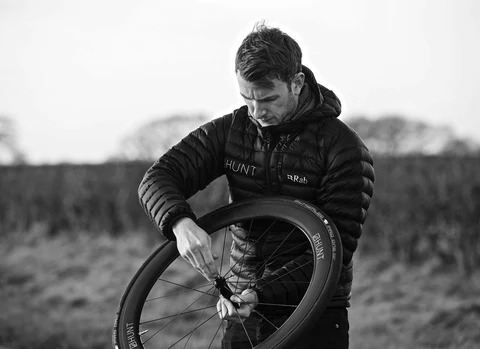
The idea took shape during a bike ride in the Sussex hills: to create robust, versatile and affordable wheels, suited to the real conditions of British roads – rain, wind, gravel. In May 2015, Hunt was officially born. Their first range, the “4 Season”, was designed for commuters and all-season riders. These tubeless-ready alloy wheels offered a light, reliable alternative to the standards of the time. Sold directly to consumers via a fledgling website, they were an immediate success, selling out of pre-orders before they had even arrived in stock. This launch laid the foundations of a brand that puts practicality before marketing promises.
2016: first steps and a strong identity
In 2016, Hunt moved up a gear. Tom and Luisa, now backed by a small team of engineers and passionate cyclists, set up in a modest workshop in Partridge Green. Their aim remained the same: to offer wheels that meet real needs, tested on the local roads they knew by heart. That year, they refined their production process, relying on Asian partners to make the rims but keeping the final assembly by hand in the United Kingdom.
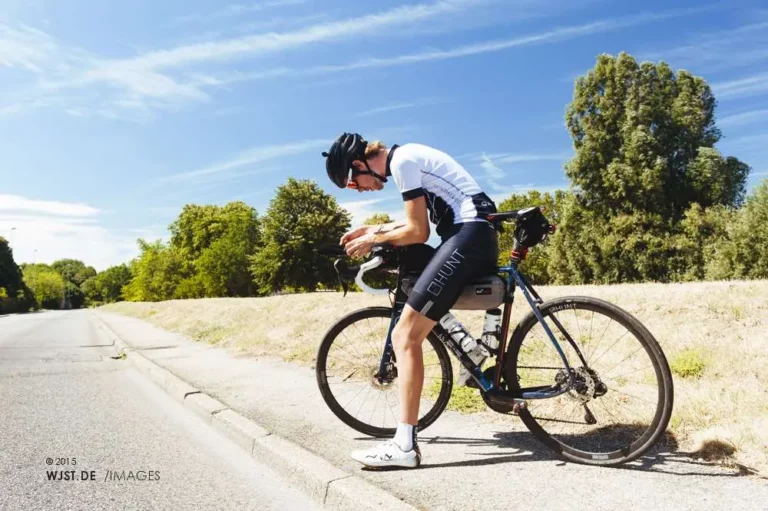
Hunt also began to make a name for itself thanks to a bold strategy: transparency. Each wheel came with detailed technical data – weight, materials, tests – rarely provided by competitors. This approach won over a growing community of amateur and semi-pro cyclists who appreciated this commitment. At the same time, the brand sponsored local riders such as Josh Ibbett, who won the 2015 Transcontinental Race on Hunt prototypes. These victories, although modest, attracted attention and validated their concept in the field. At the end of 2016, Hunt teased its first carbon wheels, an ambitious project that marked a decisive step.
2017-2018: the carbon shift and growing recognition
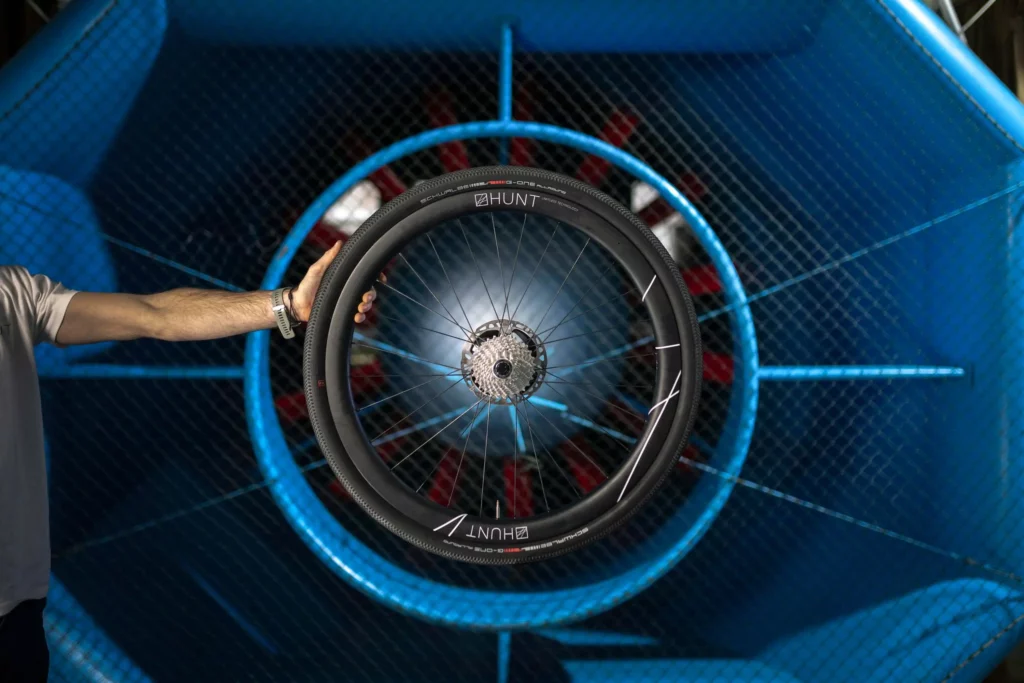
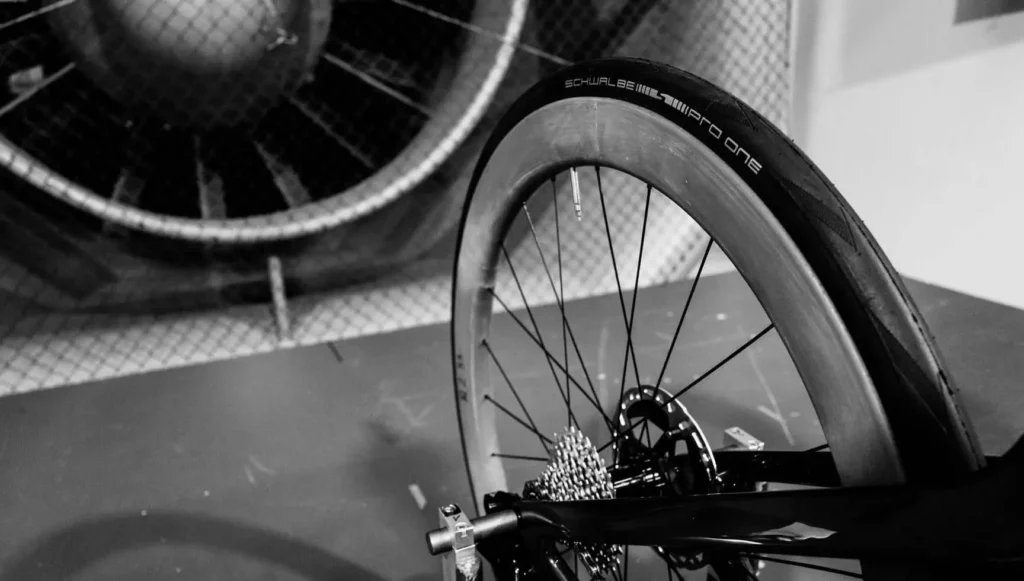
2017 and 2018 were pivotal years. In 2017, Hunt launched the “50 Carbon Aero”, its first carbon wheels, designed to rival established brands such as Zipp or Mavic, but at a fraction of the price. These wheels, developed with British engineers and wind tunnel tested at the University of Southampton, impressed with their low weight (around 1,500 g a pair) and their aerodynamics. Reviews in Cycling Weekly and BikeRadar praised their value for money, while cyclists around the world began to adopt them.
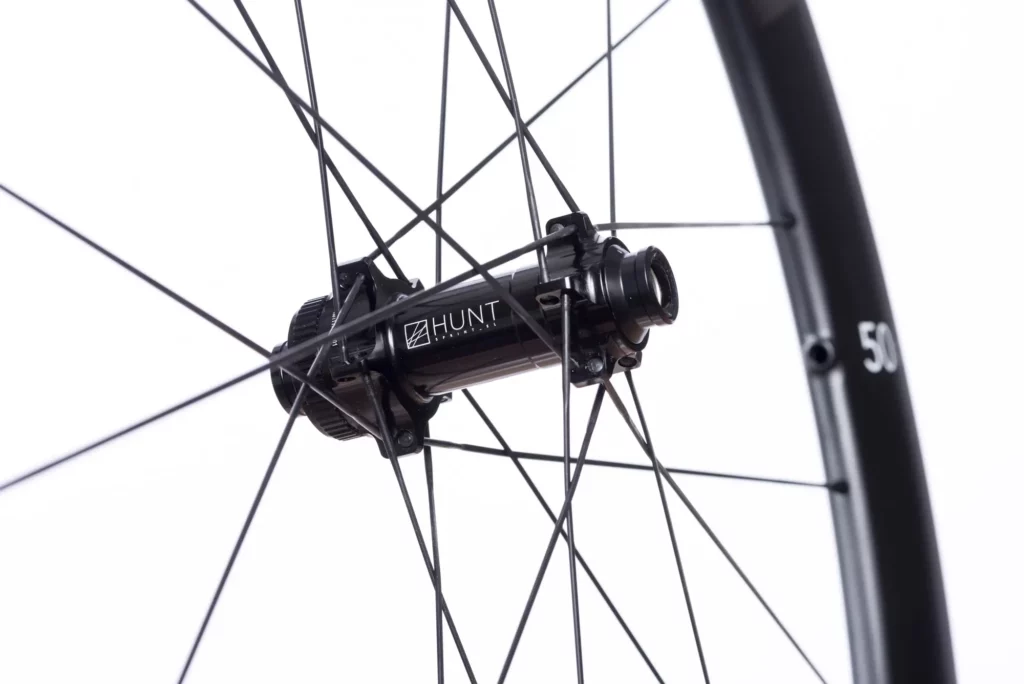
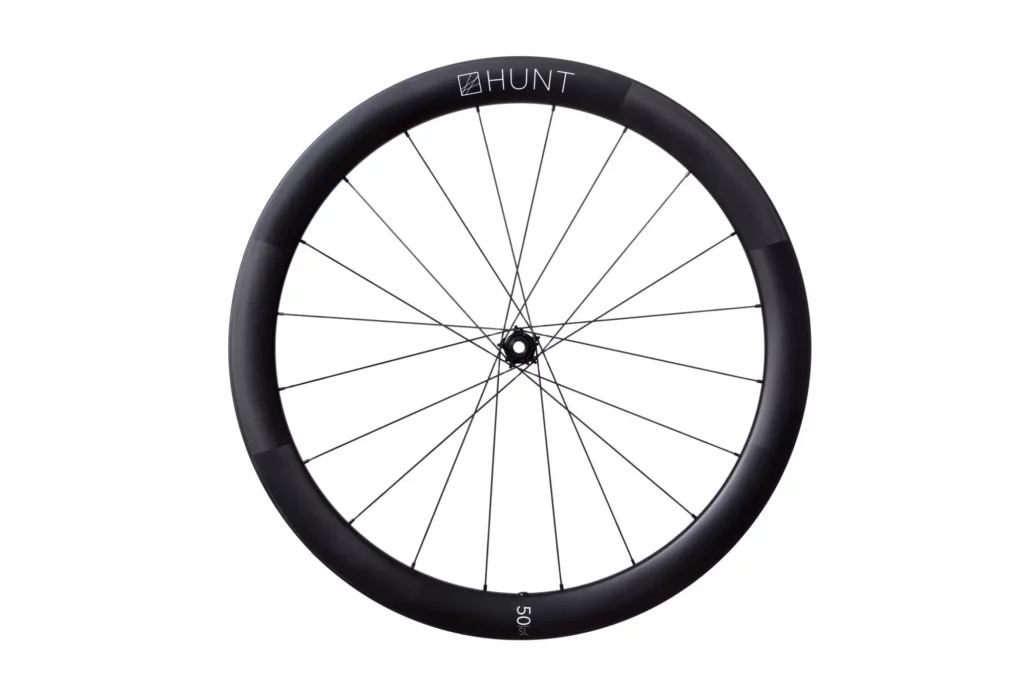
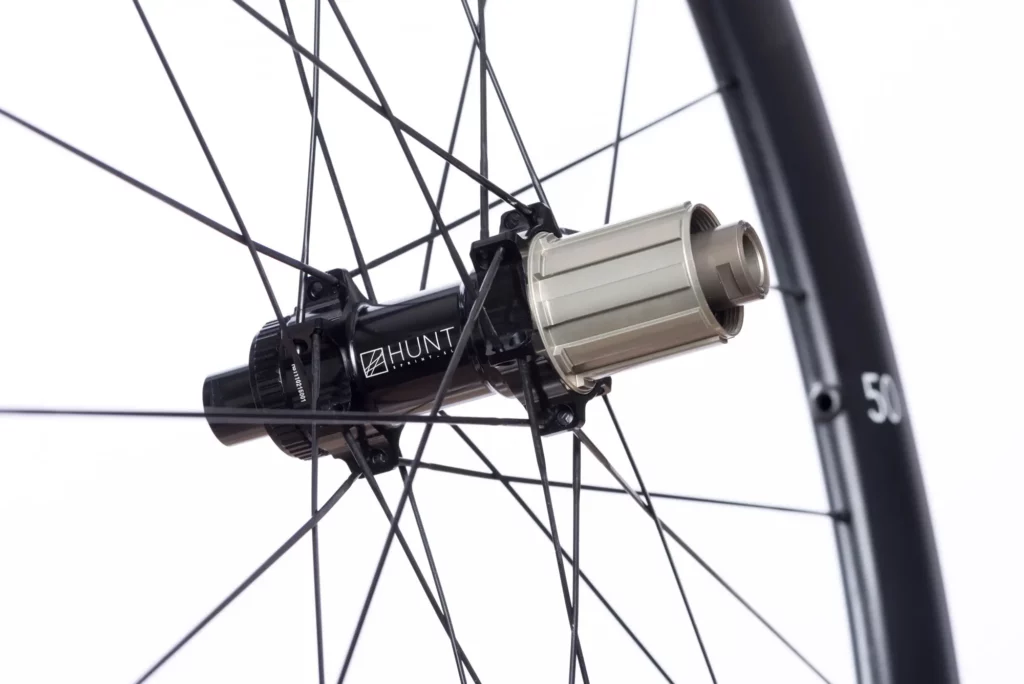
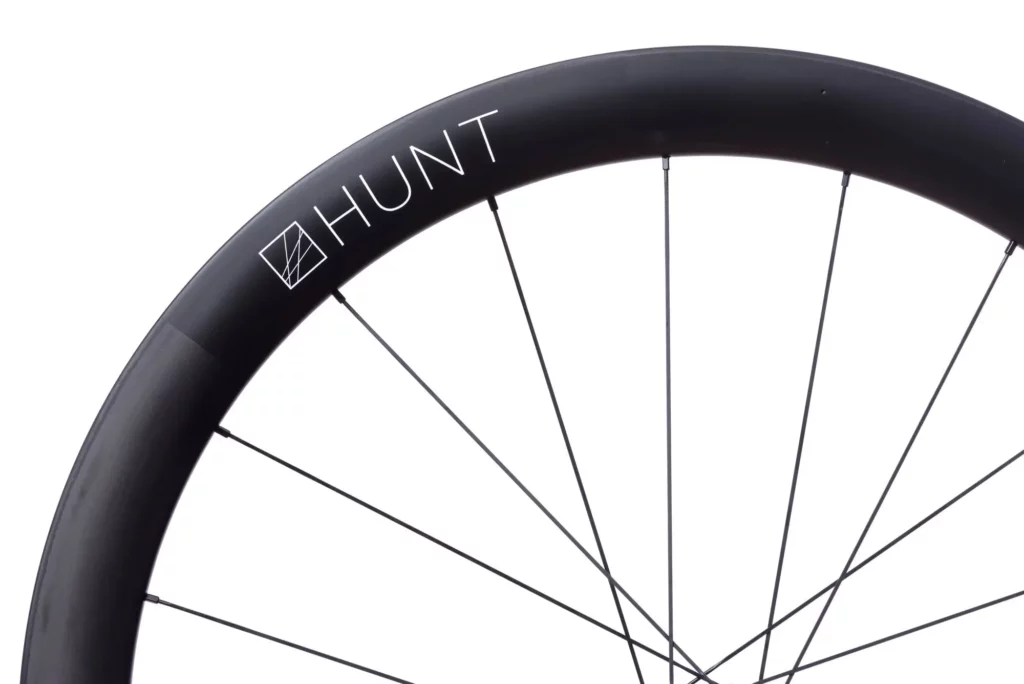
Hunt capitalised on this success by diversifying its range: wheels for road, gravel and even alloy training models. Their business model – direct sales, with no intermediaries – allowed them to keep prices competitive, often around €900-1,100 for carbon pairs, against double that from the historic leaders. In 2018, they introduced a crash replacement policy (50% off damaged parts), reinforcing their image as a brand close to its users. These years also saw the team grow, with the arrival of specialists in aerodynamics and logistics, preparing Hunt for international expansion.
2019-2020: international take-off and adapting to new trends
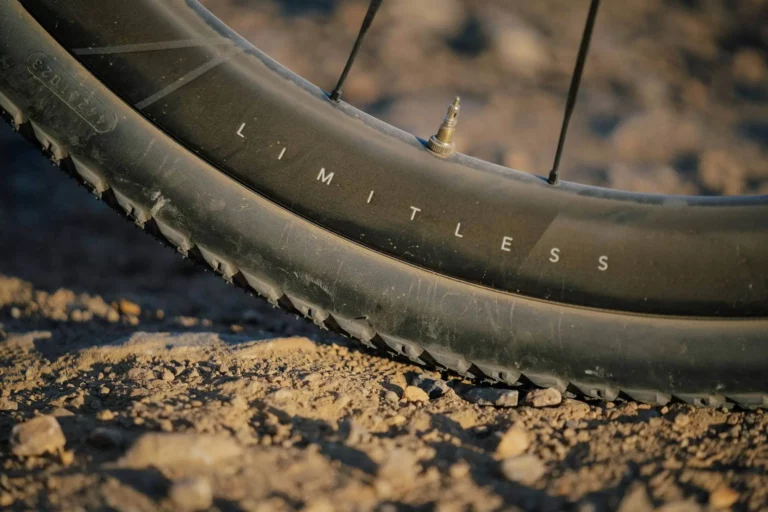
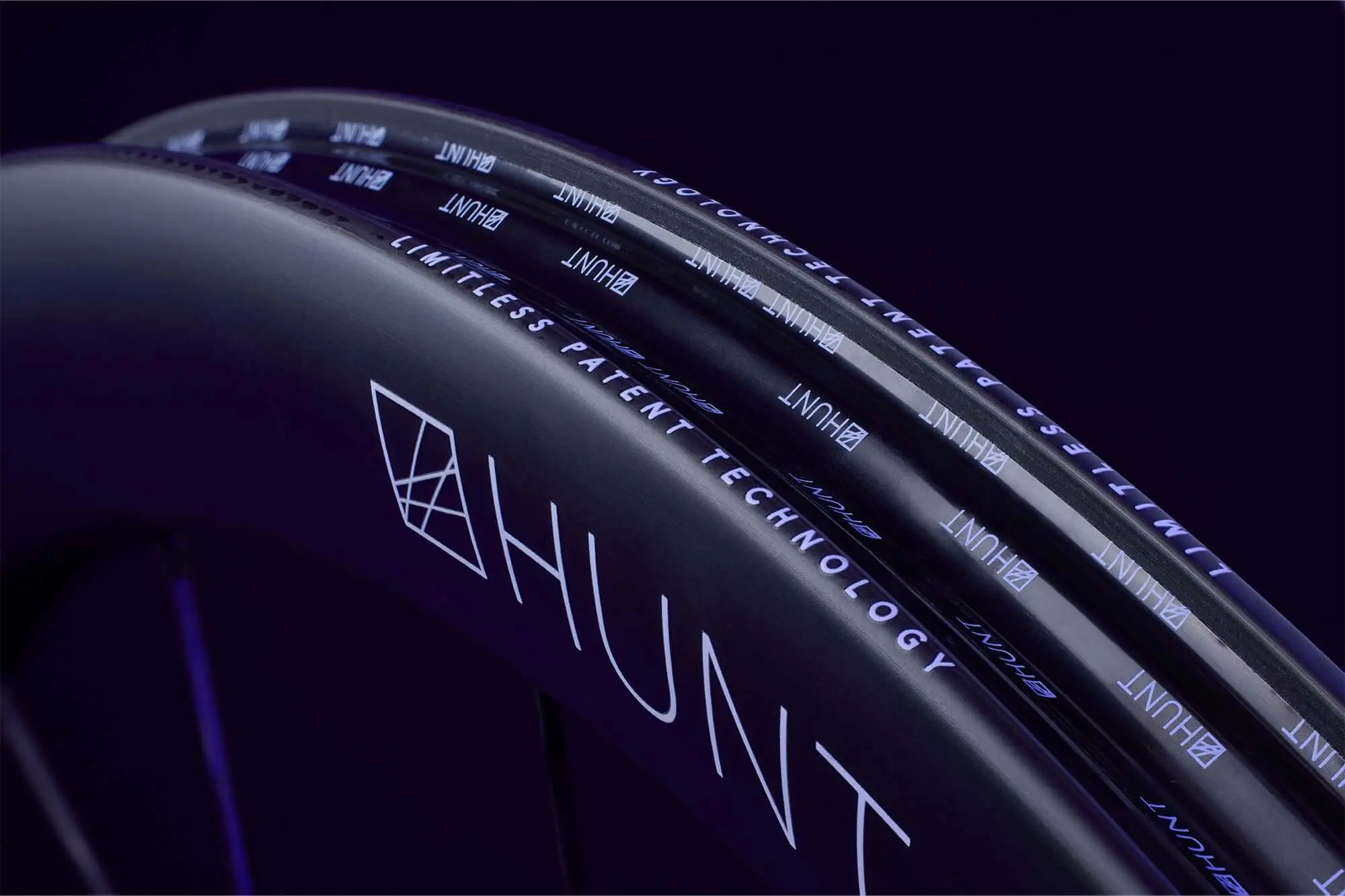
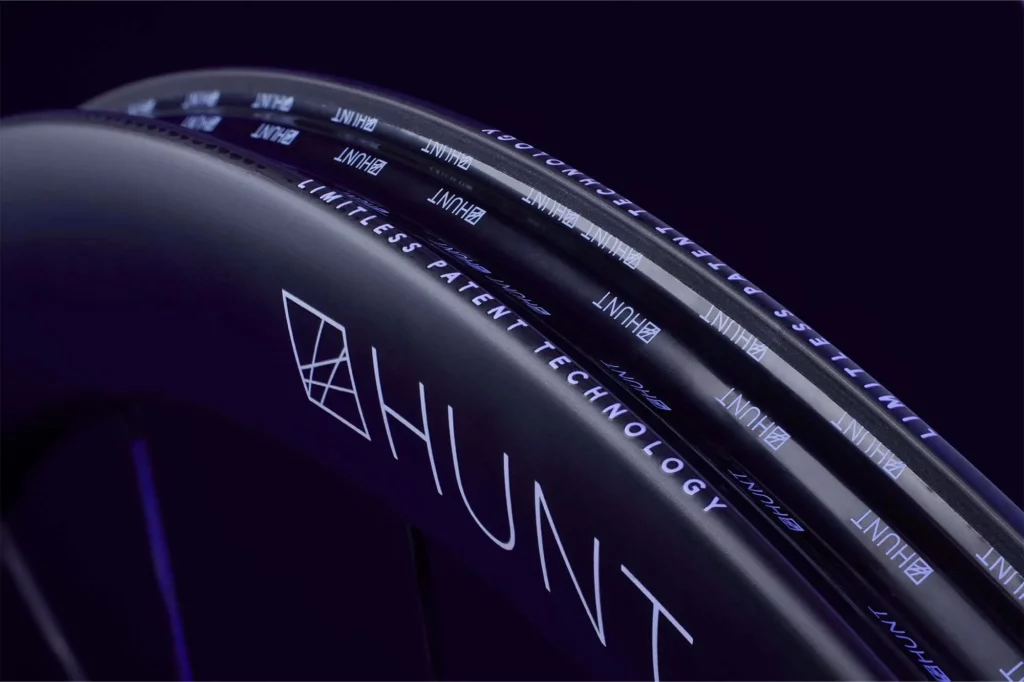
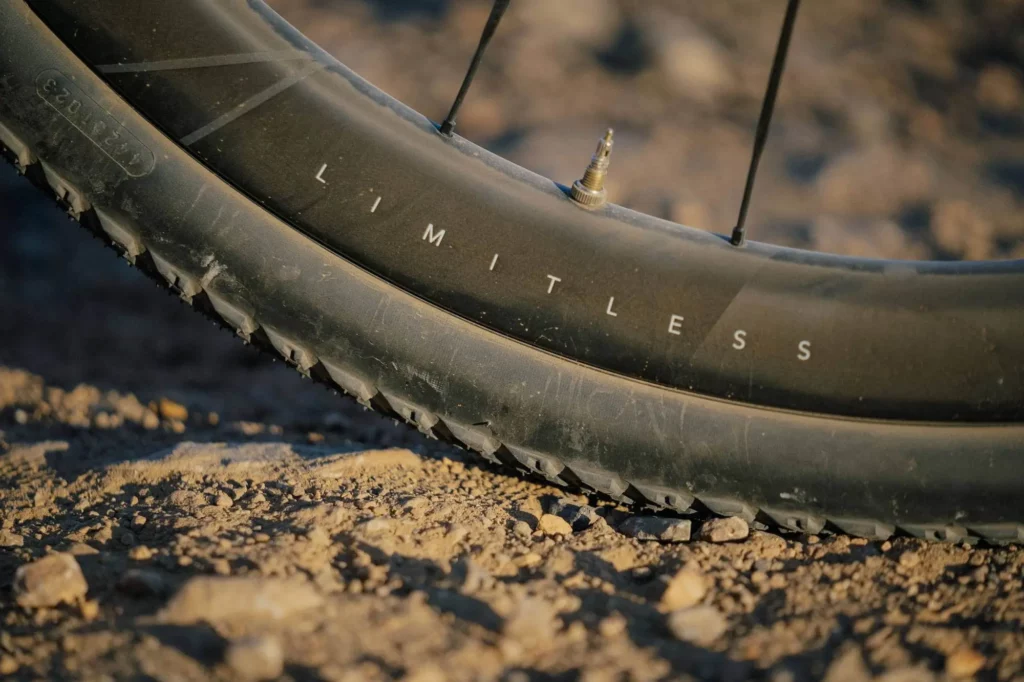
In 2019, Hunt crossed a strategic threshold. Demand exploded, driven by glowing reviews and powerful word of mouth on cycling forums. The brand responded with the “Limitless” series, carbon wheels with extra-wide rims (up to 36 mm internal), designed for gravel and the modern road. These models, the result of CFD (computational fluid dynamics) simulations and rigorous testing, outperform benchmarks such as the Zipp 303 aerodynamically, according to independent studies published by Cyclingnews. This success attracted a wider clientele, from adventurers to racers.
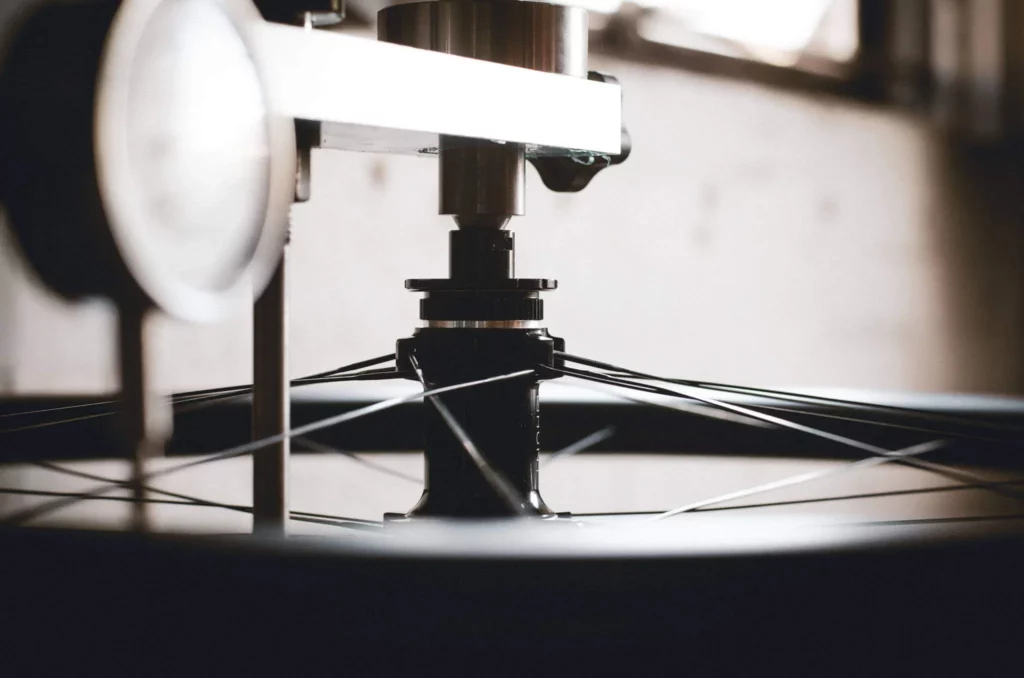
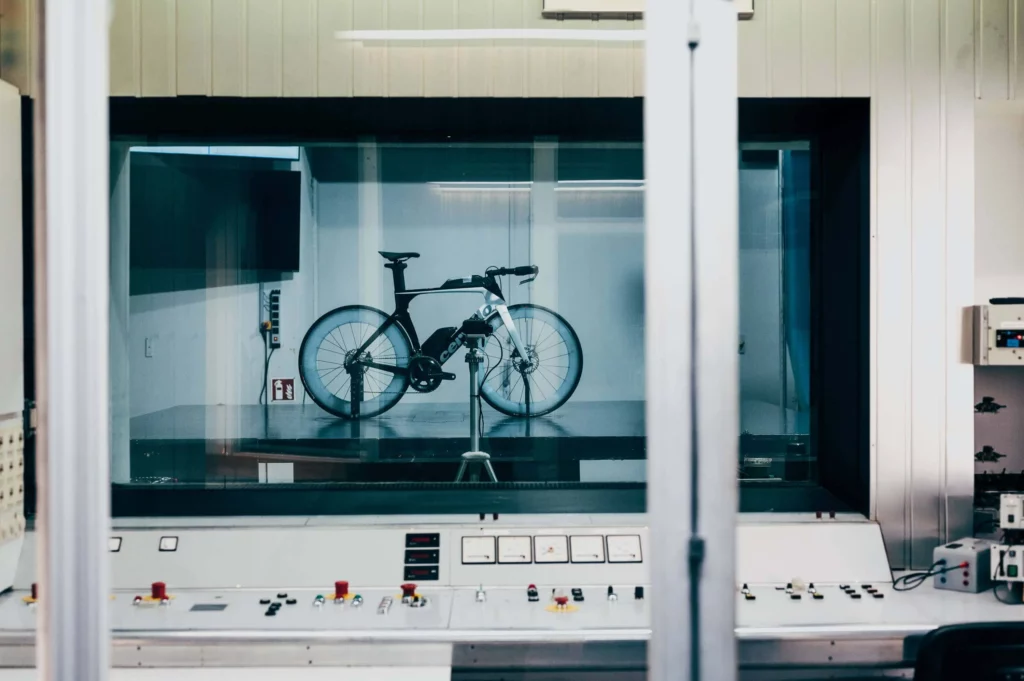
In 2020, Hunt set foot in the United States by opening an office in Boulder, Colorado, a strategic cycling hub. This expansion coincided with a challenging period: the global pandemic disrupted supply chains, but Hunt adapted thanks to agile logistics and local stock. Their commitment to cyclists remained intact, with free delivery and responsive customer service becoming key selling points. At the end of 2020, partnerships with gravel and ultra-distance teams, such as those of the Silk Road Mountain Race, strengthened their presence on the international scene. Hunt was no longer a small local brand: it had become a name recognised worldwide.
2021-2022: diversification and community commitment
From 2021 to 2022, Hunt consolidated its gains while broadening its horizons. The team, now some twenty strong, invested in ambitious projects: specific MTB wheels (E_Enduro), advanced aerodynamic ranges (Aerodynamicist), and collaborations with athletes such as Tyler McCaul or Isla Short. These partnerships are not cosmetic: every model is tested on extreme routes, from the Scottish Highlands to American trails, to guarantee rock-solid reliability.
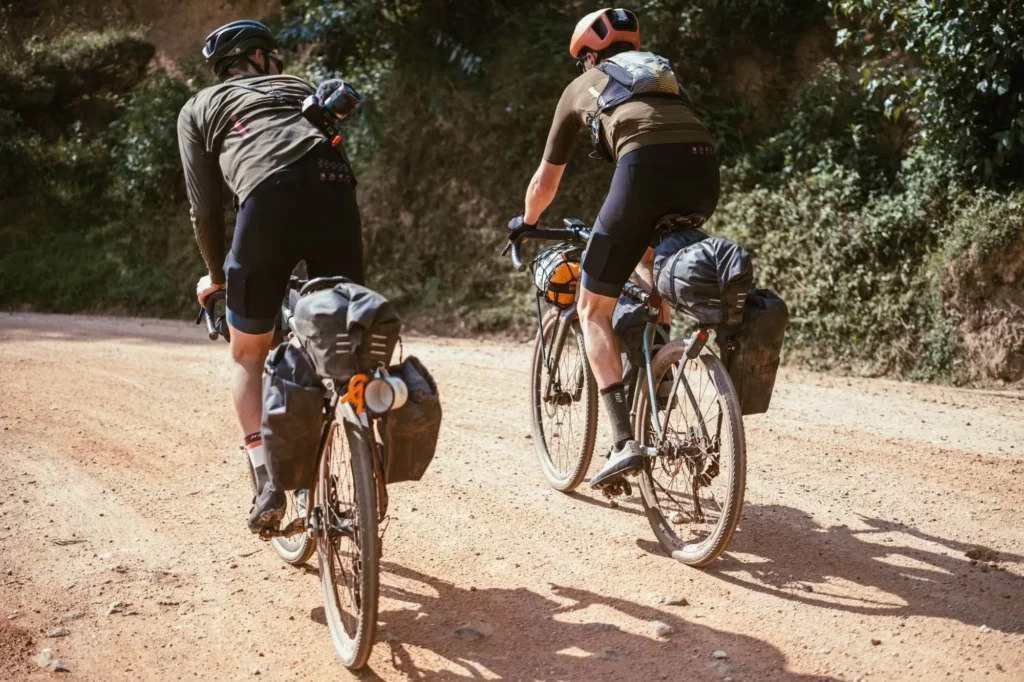


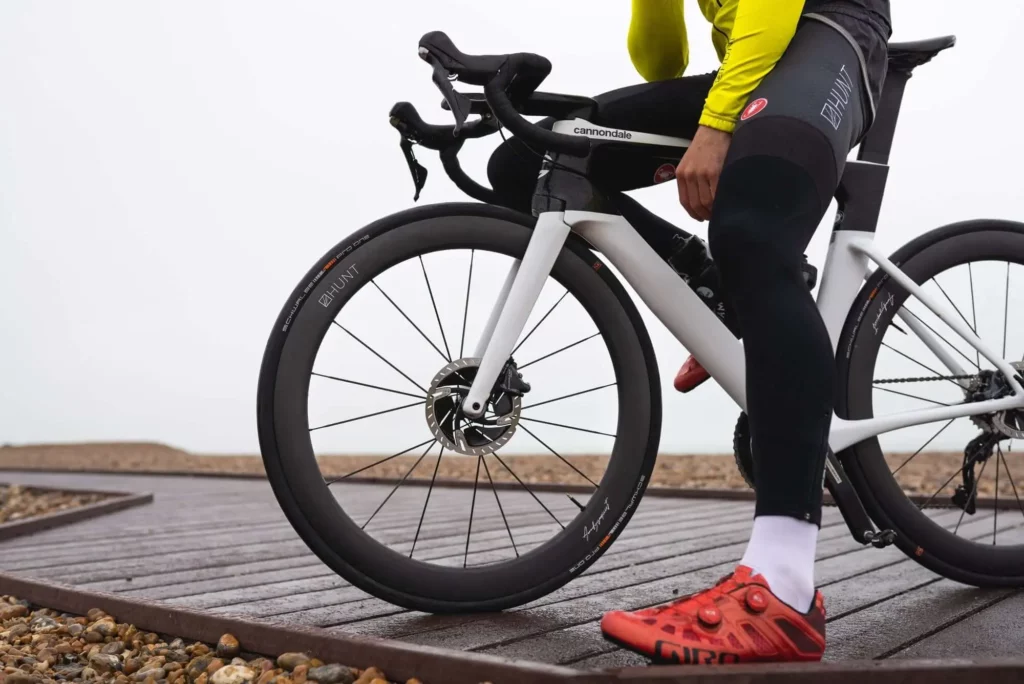
Hunt also strengthened its bond with its community. Local events, such as organised rides in Sussex, and an active presence on social media (with explanatory videos on YouTube) built loyalty among its followers. In 2022, they celebrated their millionth kilometre ridden by customers – an estimate based on user feedback – and marked the occasion with a limited edition of their carbon wheels. This period saw Hunt establish itself as a brand that listens, innovates and grows with its users, while remaining rooted in its British origins.
2023 to today: a sustainable vision and a global reach
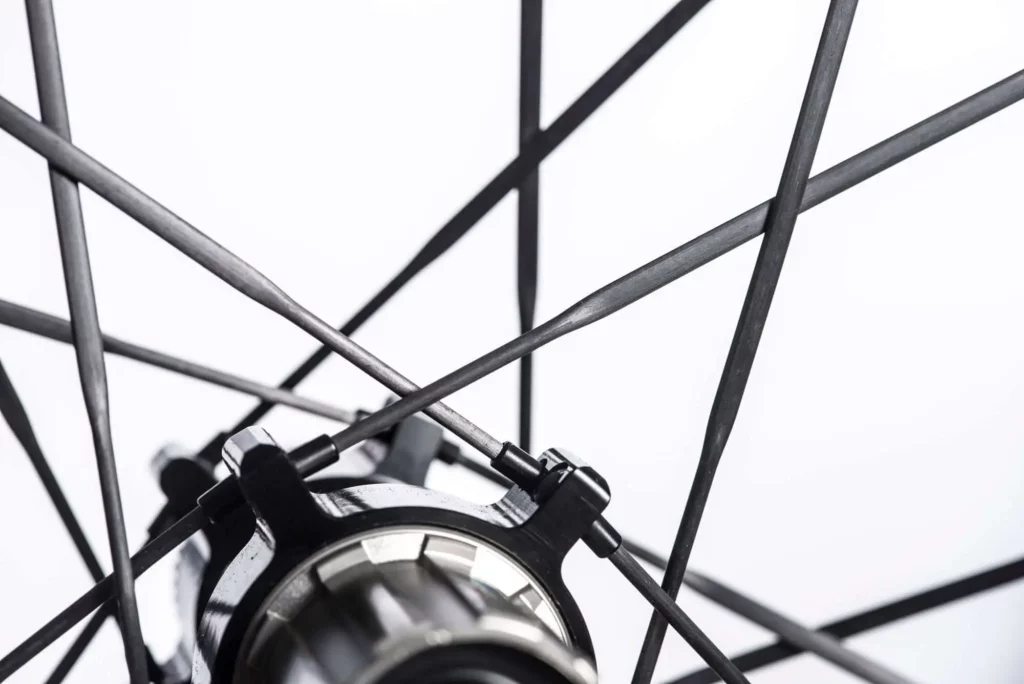
Since 2023, Hunt has added a new dimension to its story: sustainability. With the “Sustain Phase One” initiative, the brand is reviewing its processes to reduce its carbon footprint, working with the Science Based Targets initiative (SBTi). Choices such as unpainted spokes or recycled packaging are being tested without compromising performance – a balance validated by pro riders at events such as the Paris-Roubaix Challenge. This ecological shift responds to growing demand from modern cyclists, while propelling Hunt into the future.
Today, in 2025, Hunt ships to more than 150 countries from its Partridge Green headquarters, now enlarged to house a team of around thirty people. Their wheels have collected awards, such as road.cc‘s Editor’s Choice, and equip cyclists of all kinds – commuters, ultra-distance riders, racers. In less than 10 years, Hunt has gone from a dream in a garage to a global force, driven by a simple philosophy: high-performance, affordable wheels designed to be ridden, not just to shine on a podium. Theirs is a story of pragmatic success, rooted in passion and closeness to those who pedal.
More information on the official Hunt website