Zipp 303 Firecrest reinvented: carbon wheels with integrated pressure sensor for 2025?
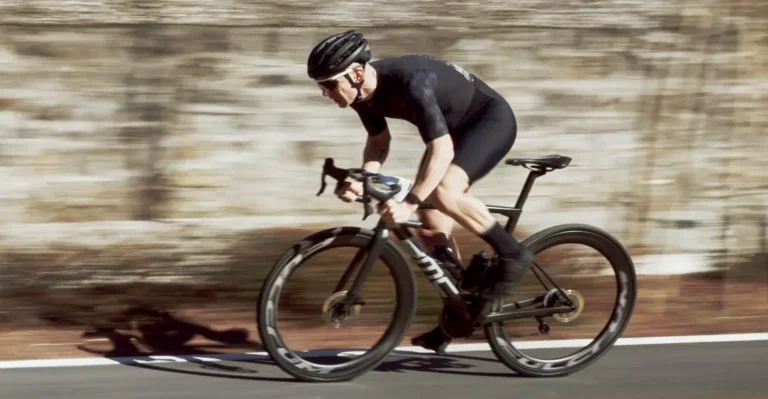
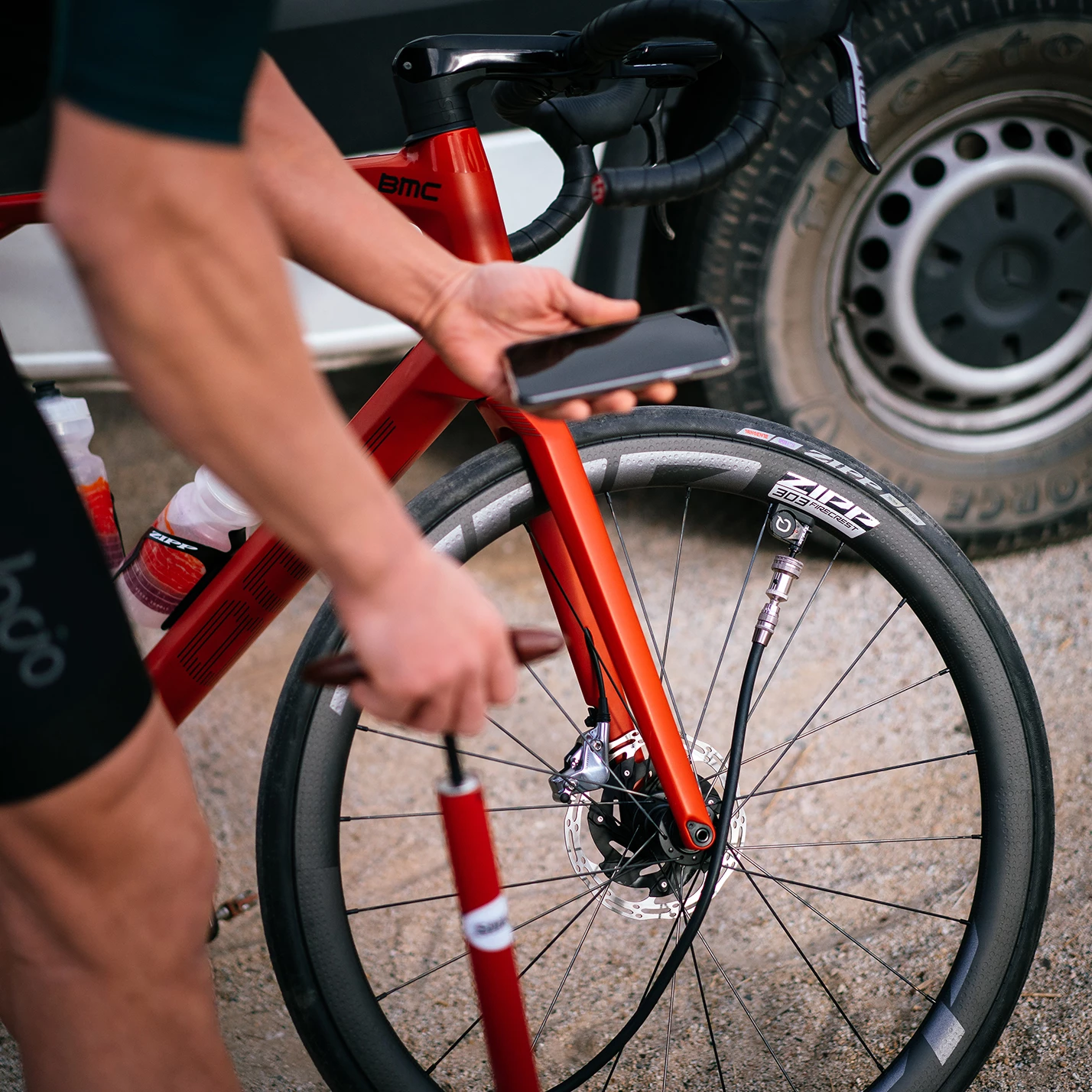
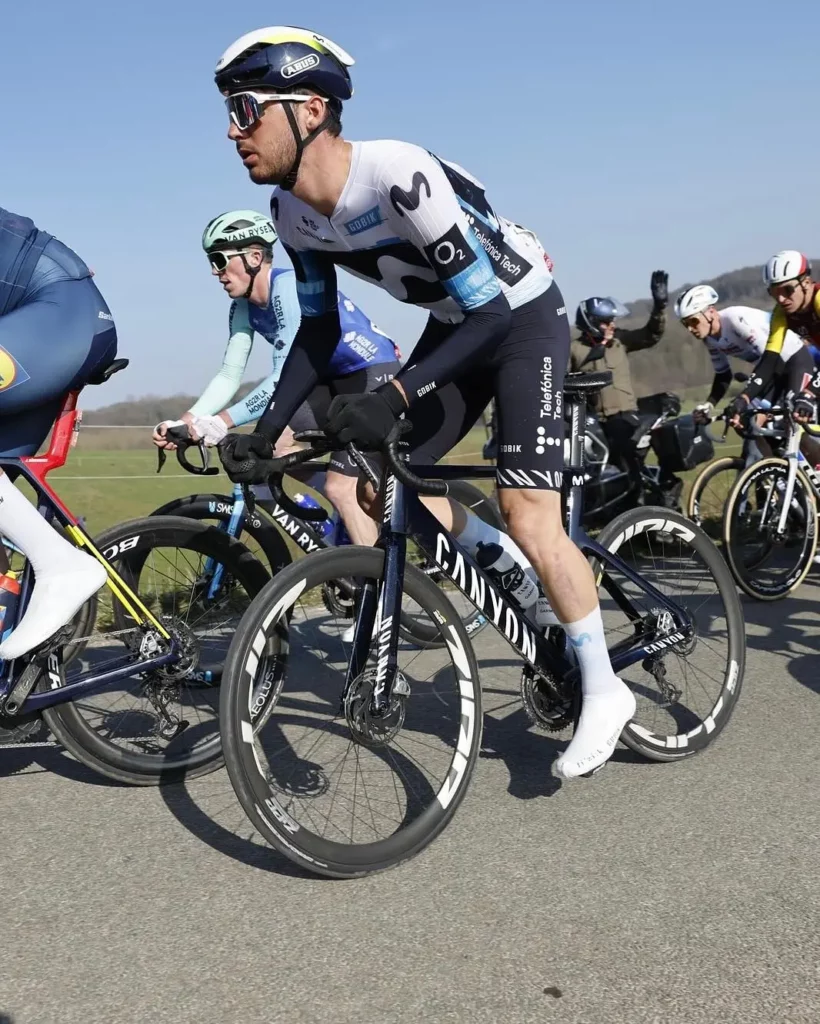
The first weekend of the 2025 classics, marked by the Omloop Het Nieuwsblad and Kuurne-Brussel-Kuurne, was the scene of a remarkable novelty in the professional peloton. The Movistar and Q36.5 teams aligned some of their riders with the new ones Zipp 303 Firecrest carbon wheels, equipped with a major innovation: a TyreWyz pressure sensor integrated directly into the rim. This technology, which has so far been offered as an option, becomes a standard on these high-end wheels, a first in the world of road carbon wheels. Here is what to remember from this progress and what it could change for cyclists, amateurs and pros.

An integration inspired by MTB : the TyreWyz sensor becomes inseparable
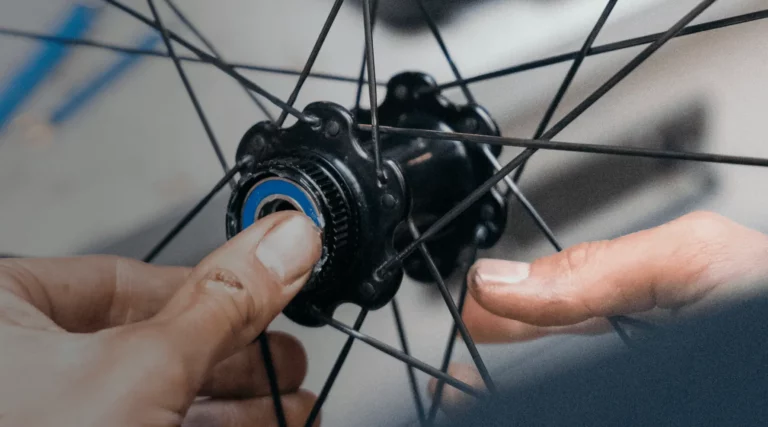
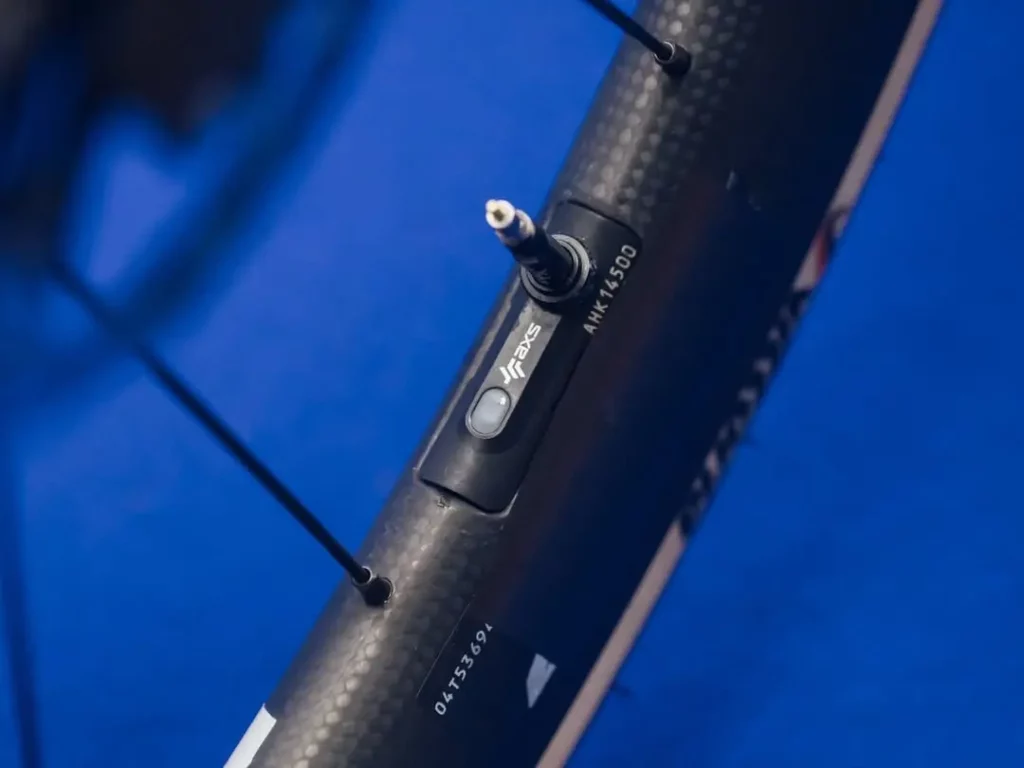
Zipp's not at his test with the TyreWyz. Already introduced on the wheels MTB Zipper 1Zero Hitop, this pressure sensor had seduced by its ability to offer real-time monitoring of tire pressure via a dedicated application. On the new 303 Firecrest, it goes from removable option to complete integration into the rim, a first for carbon wheels road. According to the classics, this sensor, discreet and aerodynamic, allows riders to control the pressure with precision at the tenth of the bar. Tested by Vojo Mag on the 1Zero Hitop, this system has proven its reliability and accuracy, offering a strategic advantage in running: precisely adjust the pressure according to the profile (rigid climbs or technical descents), the quality of the road (smooth or degraded asphalt), or specificities such as the paving stones of Omloop and the winding paths of Kuurne.
 Credit: Chris Auld
30mm rim width and tires: more versatility?
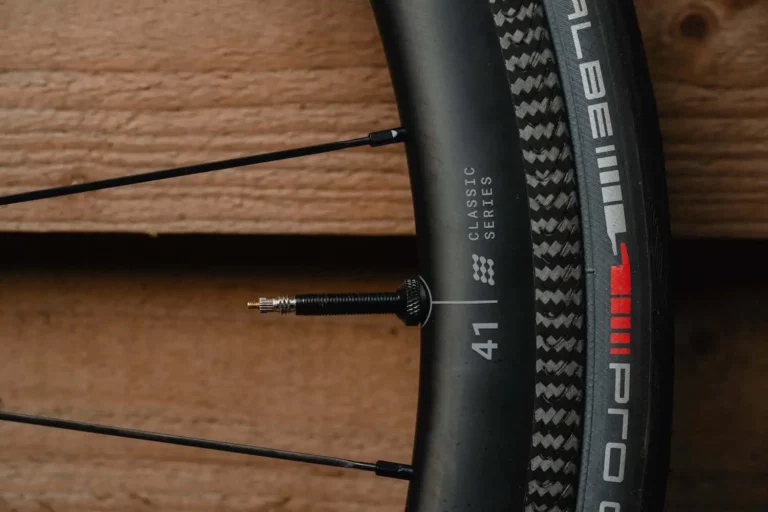
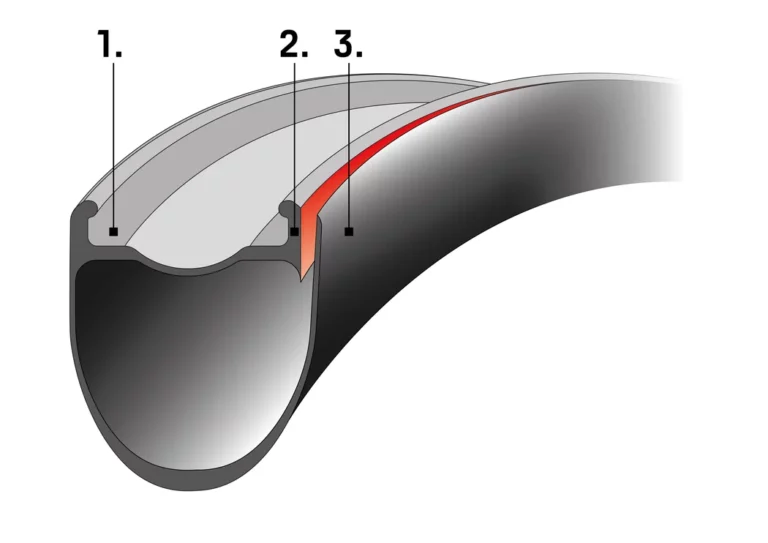
The pictures of the riders of Movistar and Q36.5 reveal another detail: all used tires of at least 30mm, a trend confirmed in the pro peloton for the classics. This suggests that the inner width of the new Zipp 303 Firecrest rims remains at least 25 mm (can you imagine more?), as on the previous generation release in 2020. This width, combined with wider tires, offers better stability, increased comfort on paved areas and optimized rolling resistance. The internal 25 mm carbon wheels are ideal for tires from 28 to 30 mm, allowing a smooth transition between the rim and the tire for aerodynamic gain. If Zip maintains this measure, these wheels are in line with versatile models, able to shine both on the demanding routes of the classics and on smoother roads.
Price: Will Zipp play the card of reason or premium innovation?
The question of price remains open. Previous generation of Zipp 303 Firecrest, launched in 2000€, often traded around 1500-1600€ on the market after a few months (1300-1400€ Today). With the integration of the TyreWyz sensor, an expensive technology to produce and integrate, Zipp could be tempted to follow the upward trend observed in some competitors (which flirt with the 2500€). However, to remain competitive with competitors offering high-performance carbon wheels between 1500 and 2000€, Zipp could/should opt for reasonable pricing, around 1800-2000€. This strategy would make it possible to democratize a single innovation while targeting a wider audience, from pros to demanding amateurs. Zipp's first official announcements, expected soon, will close this debate.
Renewal of the NSW range: an evolution planned in 2025?
The introduction of these new Zipp 303 Firecrest in 2025, after their initial release in 2020, raises questions about the future of the range at Zipp. The current version of the 303 Firecrest has already marked a turning point with its hookless design and versatility, but this update with the integrated TyreWyz shows that the brand continues to innovate. In addition, the NSW range, last revised in 2021 with models such as the 353 NSW and 454 NSW, could also be in the viewfinder for a renewal in 2025. If Zip follows an update cycle of about 4 to 5 years, NSW carbon wheels could benefit from similar developments, such as increased technology integration or aerodynamic optimizations. Brand enthusiasts will closely monitor upcoming announcements to see if 2025 will mark a broader overhaul of the Firecrest and NSW ranges.