Fulcrum Speed Team: An evolution in finesse
Fulcrum, a well-known Italian brand, enriched its Speed range in 2025 with the Speed Team 42 and 57, a decline in the Speed 42 and 57 carbon wheels launched in 2023. In line with the old Competizione finishes – boosted versions of standard models – these wheels combine style and performance. Designed in Italy and made in Europe, they adopt technologies Campagnolo like finishing C-Lux or USBTM bearings, while relying on user feedback despite the end of pro sponsorship with Cofidis in 2022. With a bright chrome design and technical improvements, these carbon wheels target demanding cyclists, whether they seek versatility or pure speed. But the price gap with standards raises questions. Let us discover these novelties in detail.
Speed Team range, innovations and innovations
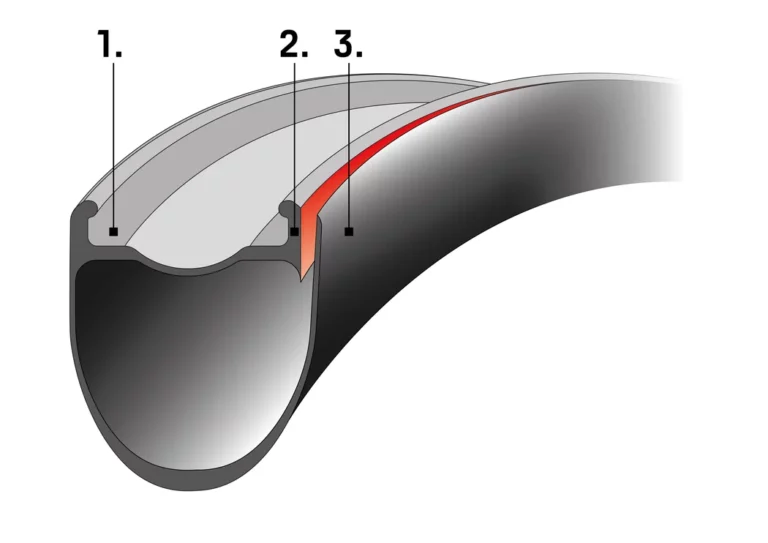
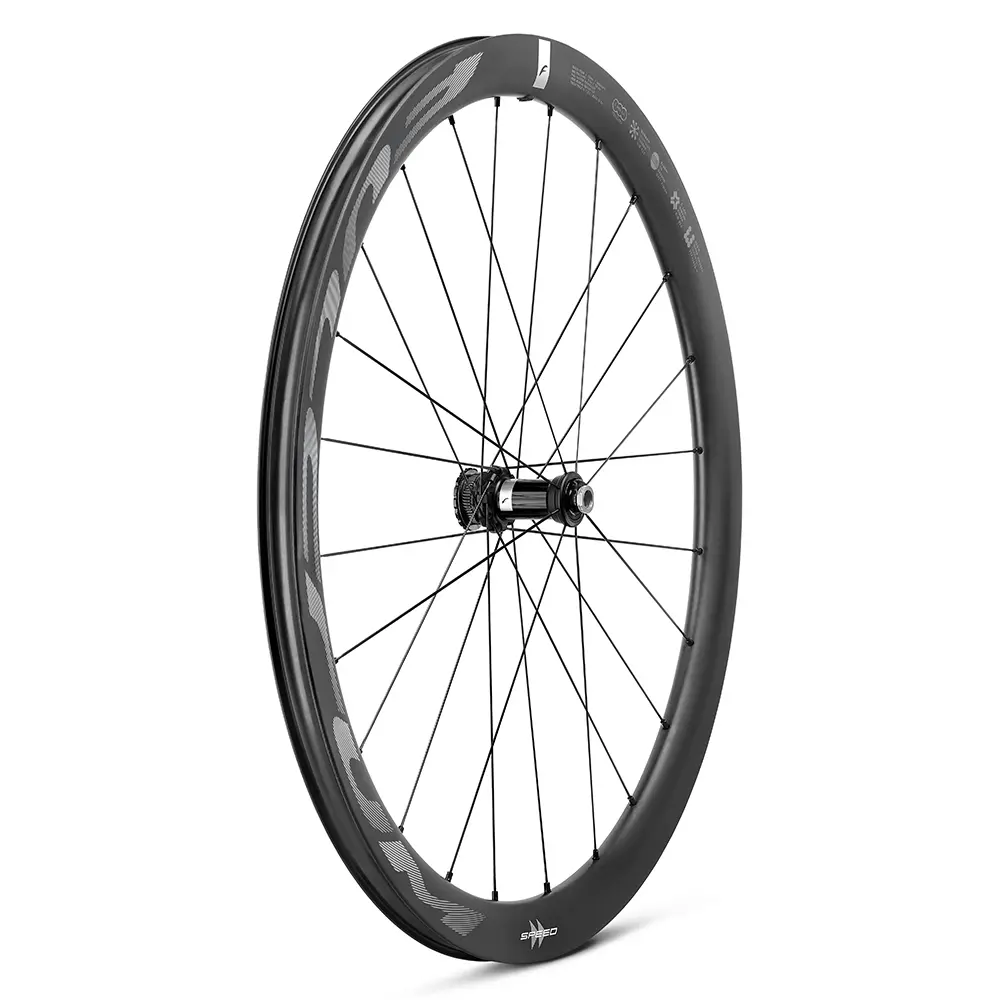
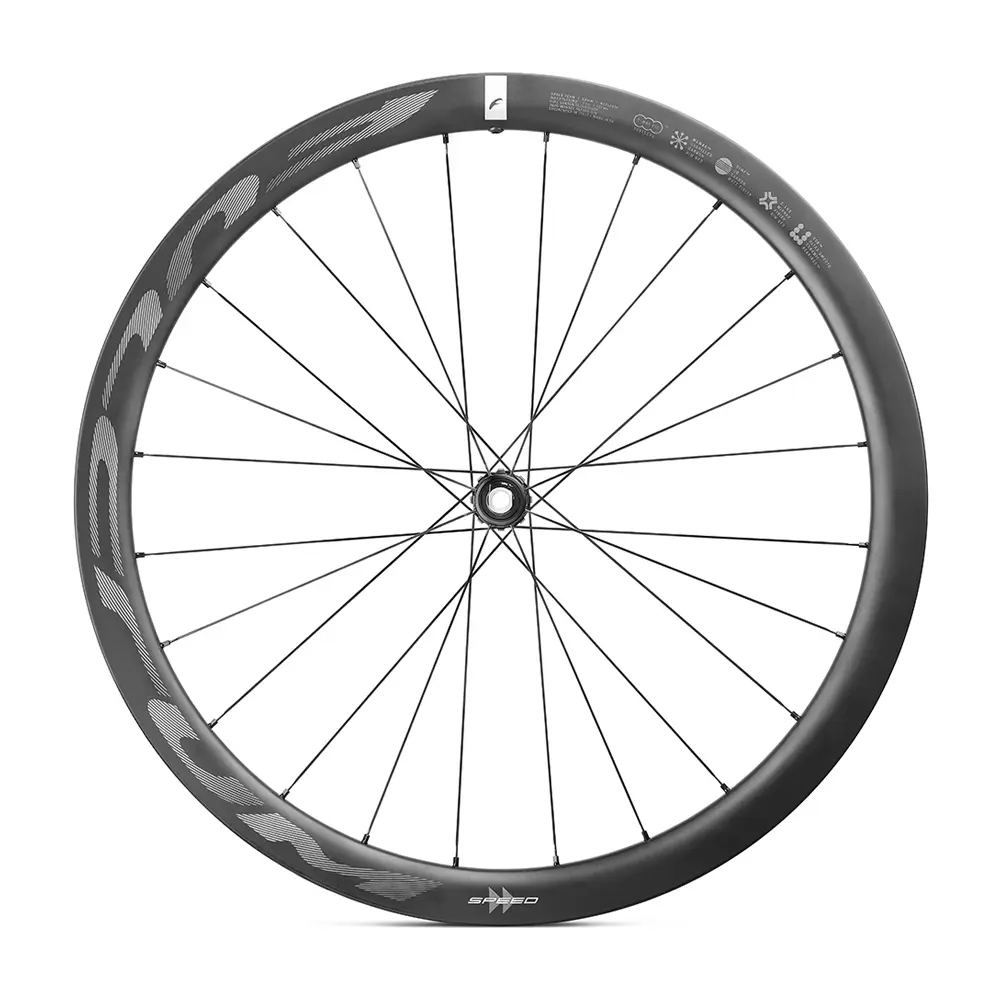
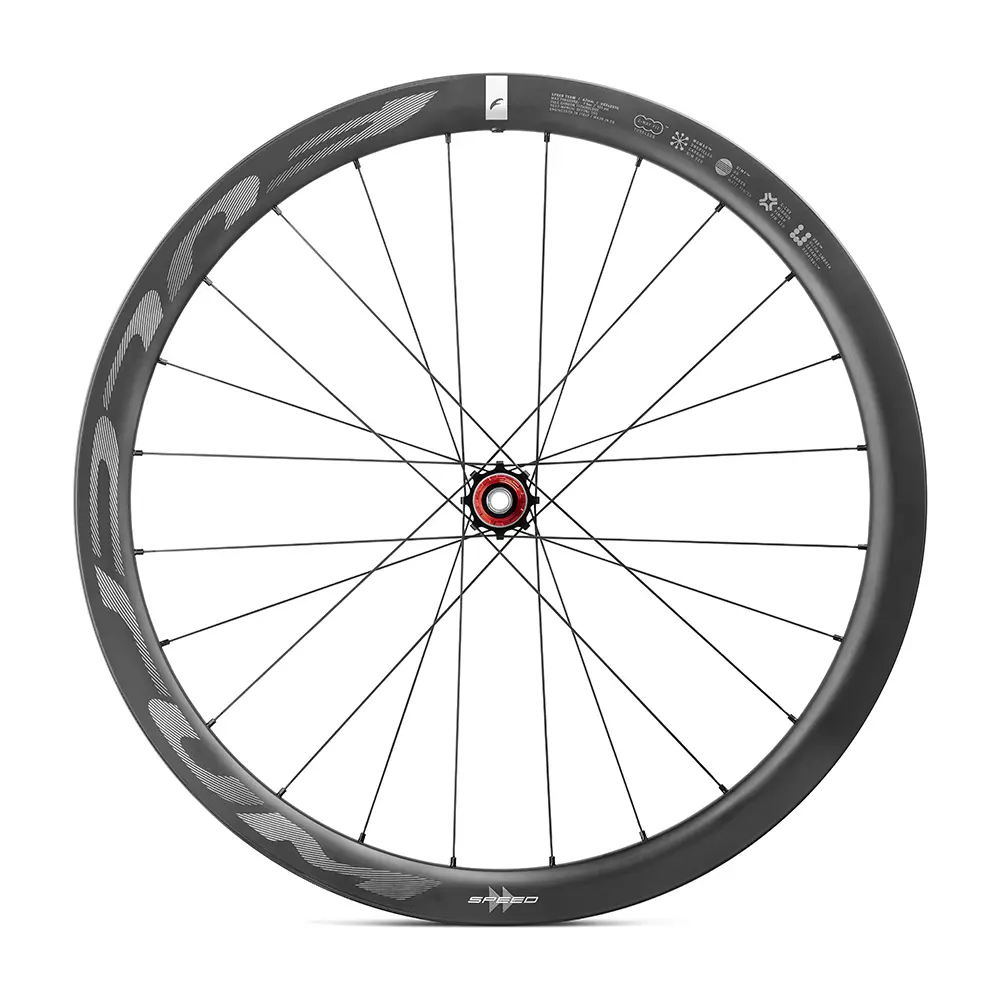
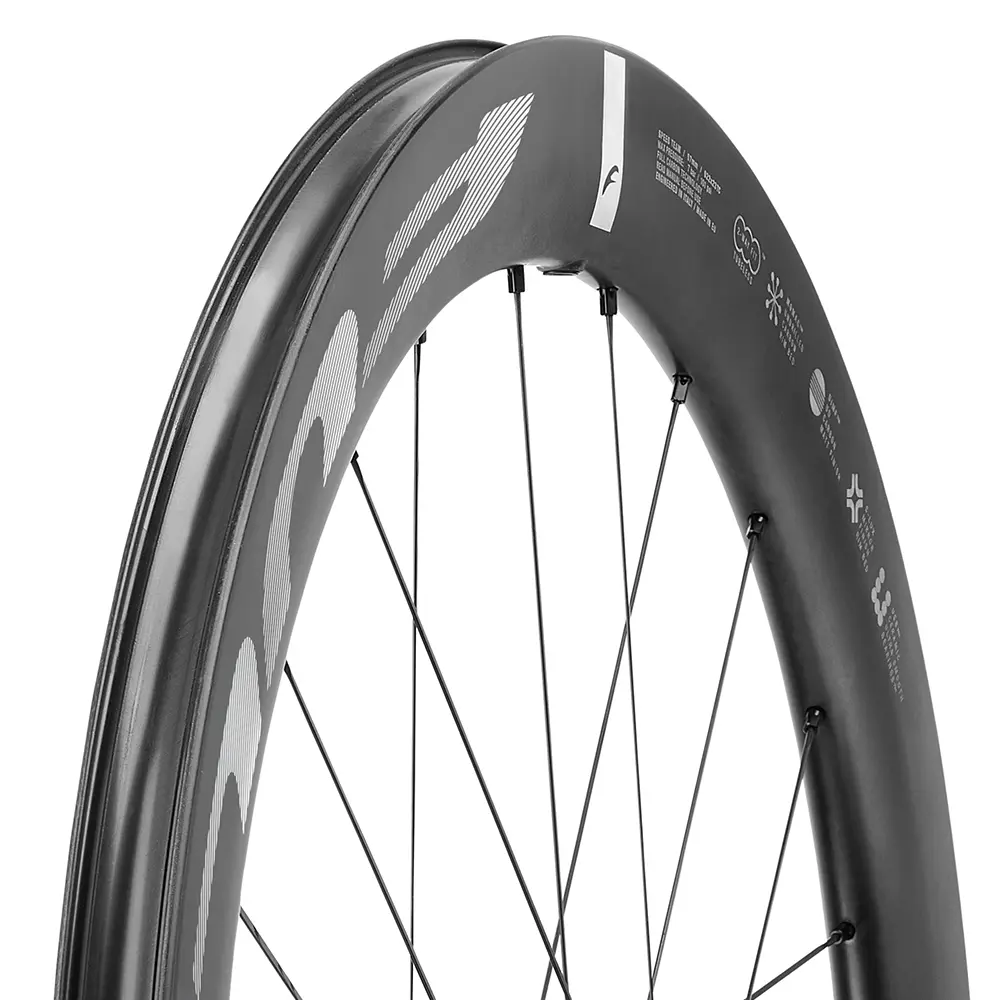
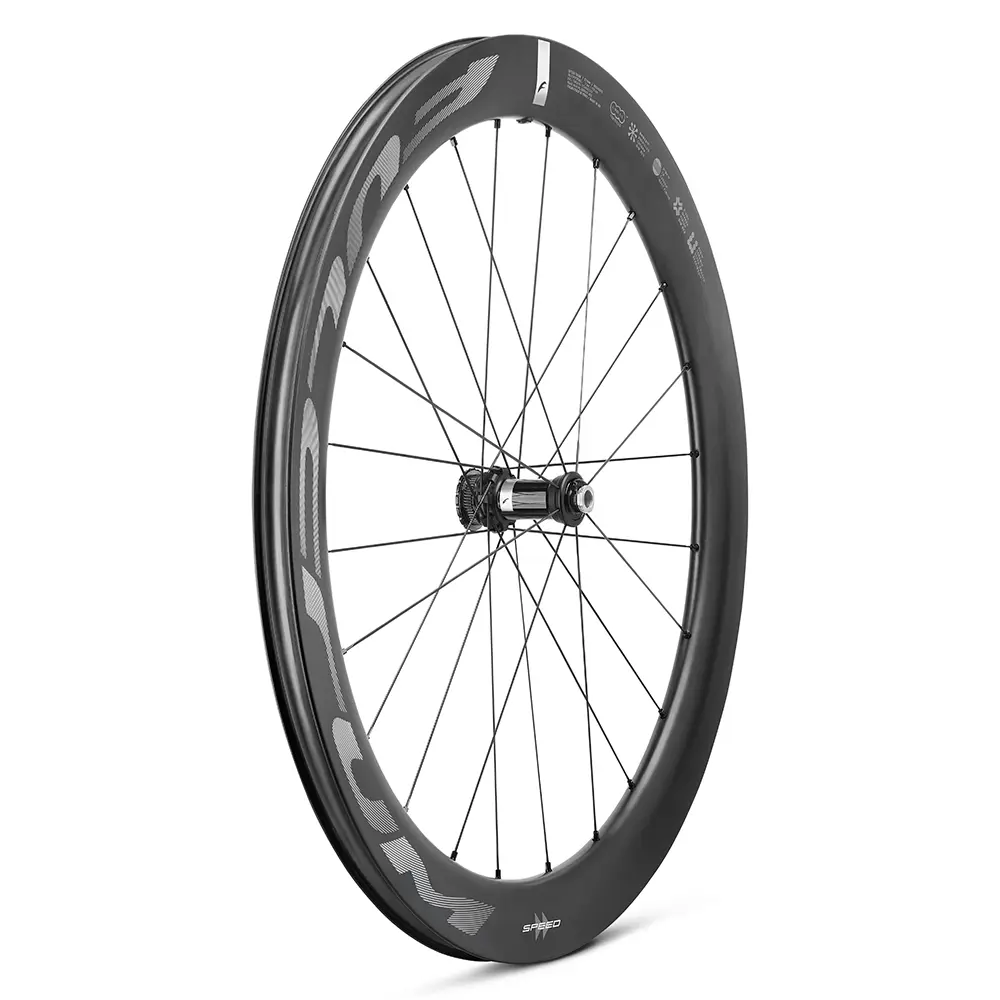
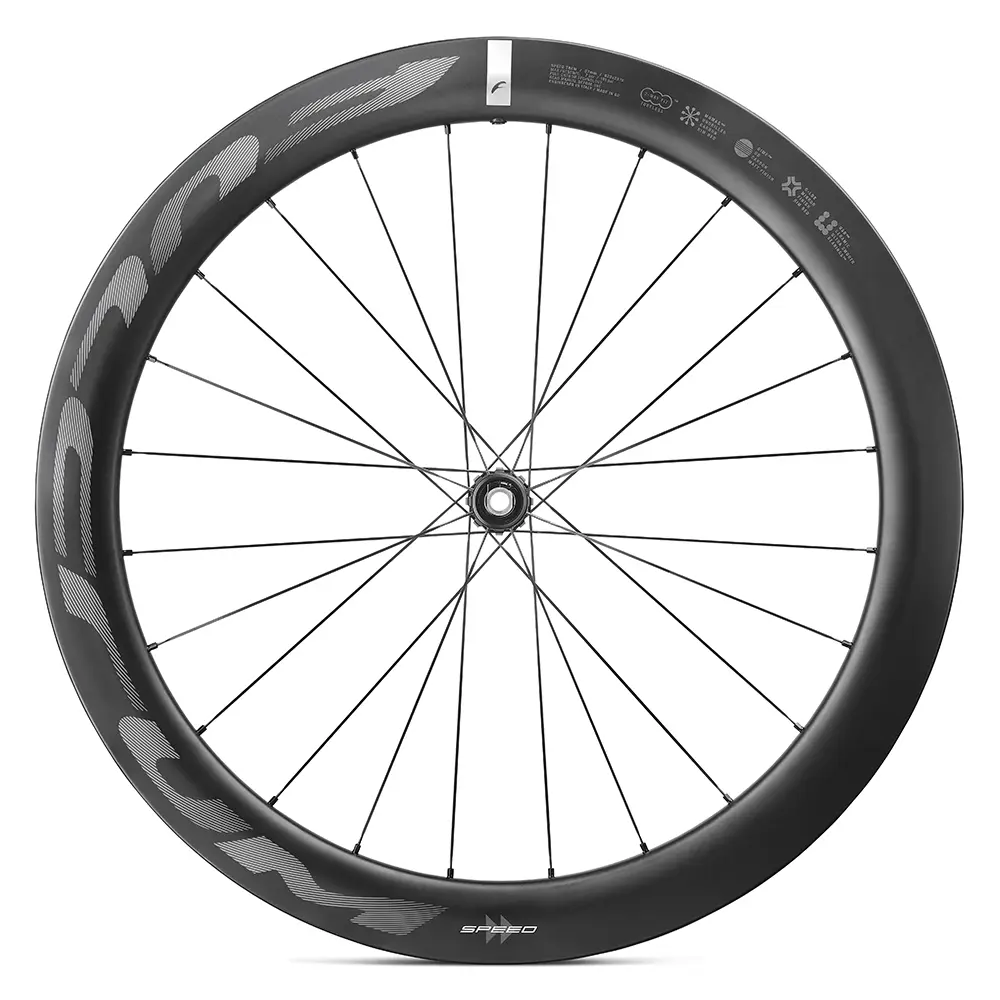
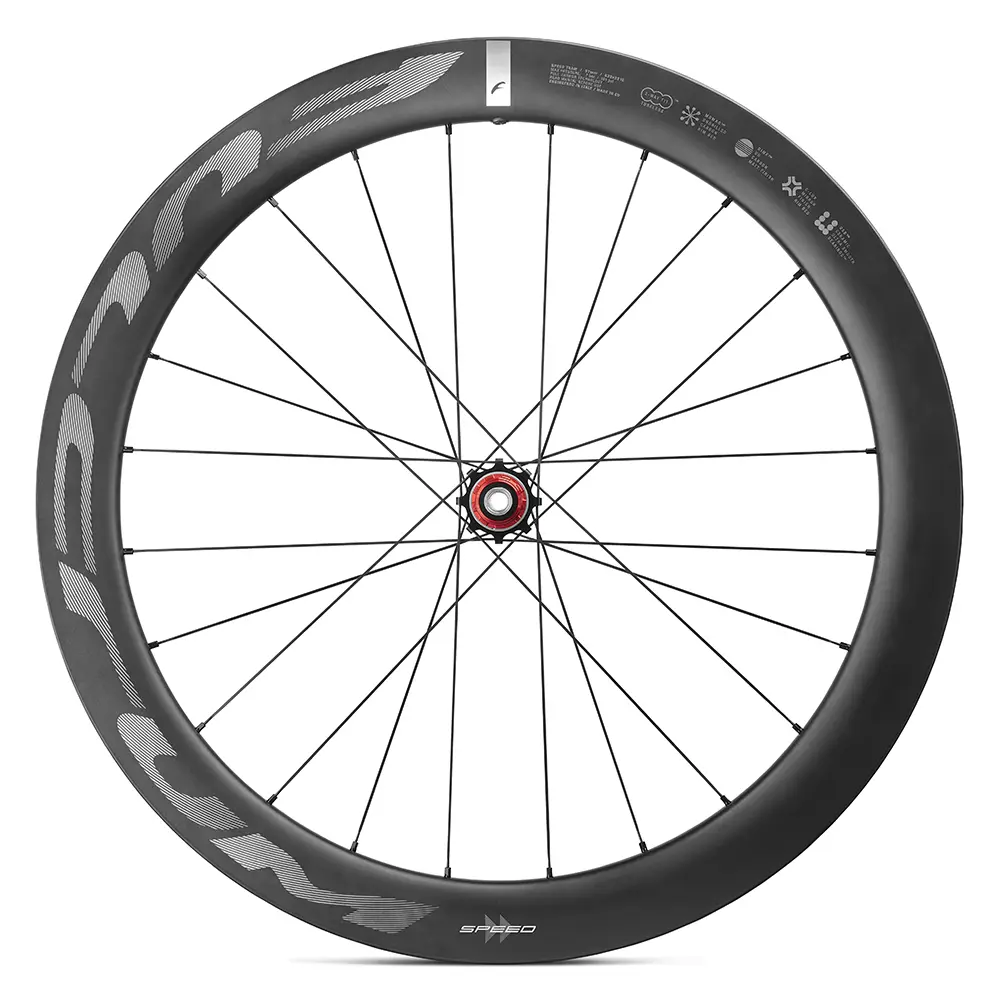
The Speed Team 42 and 57 are based on the strengths of the standard versions, which have already seduced by their optimized dimensions for aerodynamics – validated in the wind tunnel to minimize drag at high speed. They also take over the Two-to-One shelving system, with 24 rays arranged to maximize stiffness and balance tensions, a valuable asset in climb or sprint. Technology 2-Way-Fit, signature Fulcrum, is also preserved: it guarantees an exceptional finish allowing tubeless mounting or with room without additional rim bottom. This solid base, inherited from the Speed 42 and 57 of 2023, remains an argument of weight for cyclists seeking reliable and efficient carbon wheels, whether for rolling runs or fast stages. But the Speed Team goes further, integrating developments that aim to refine the experience.
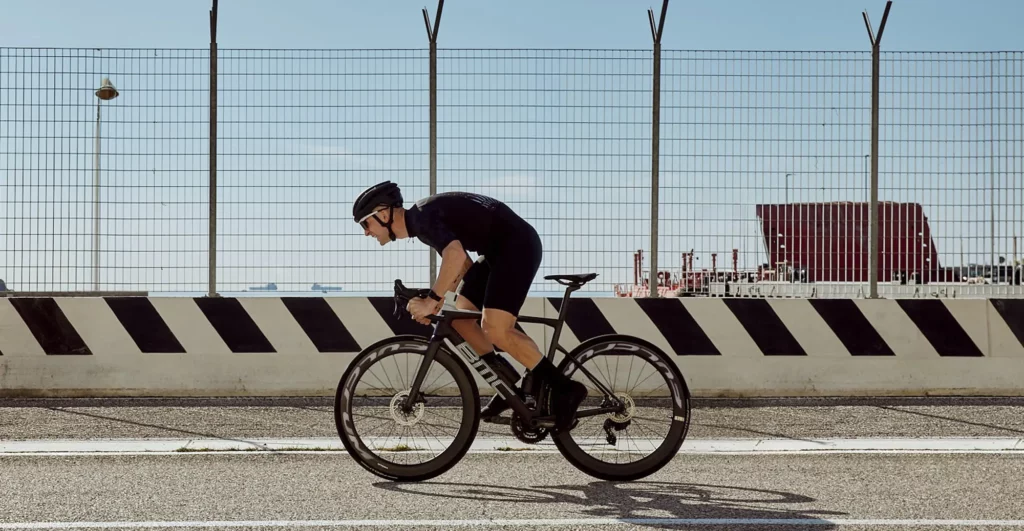
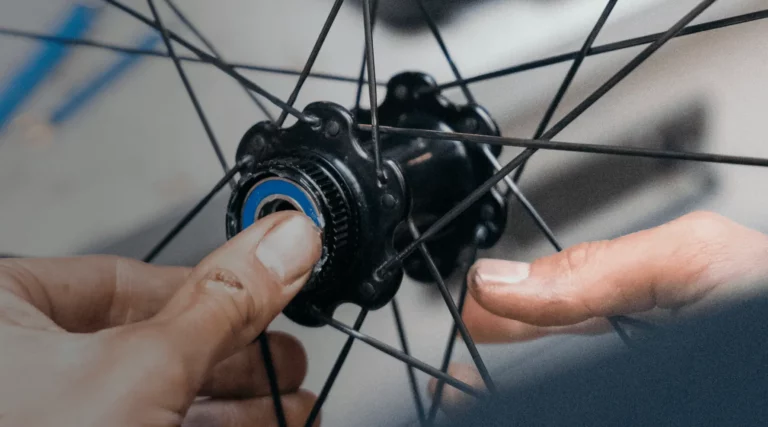
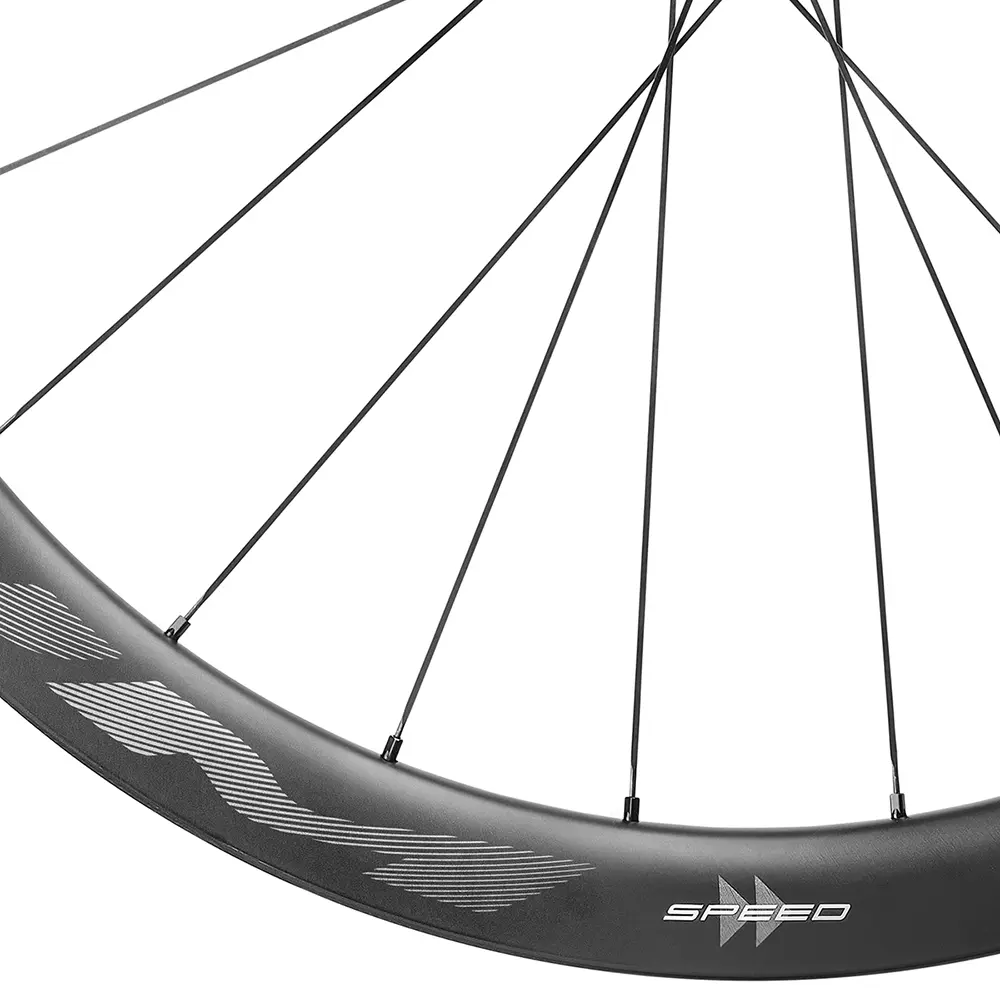
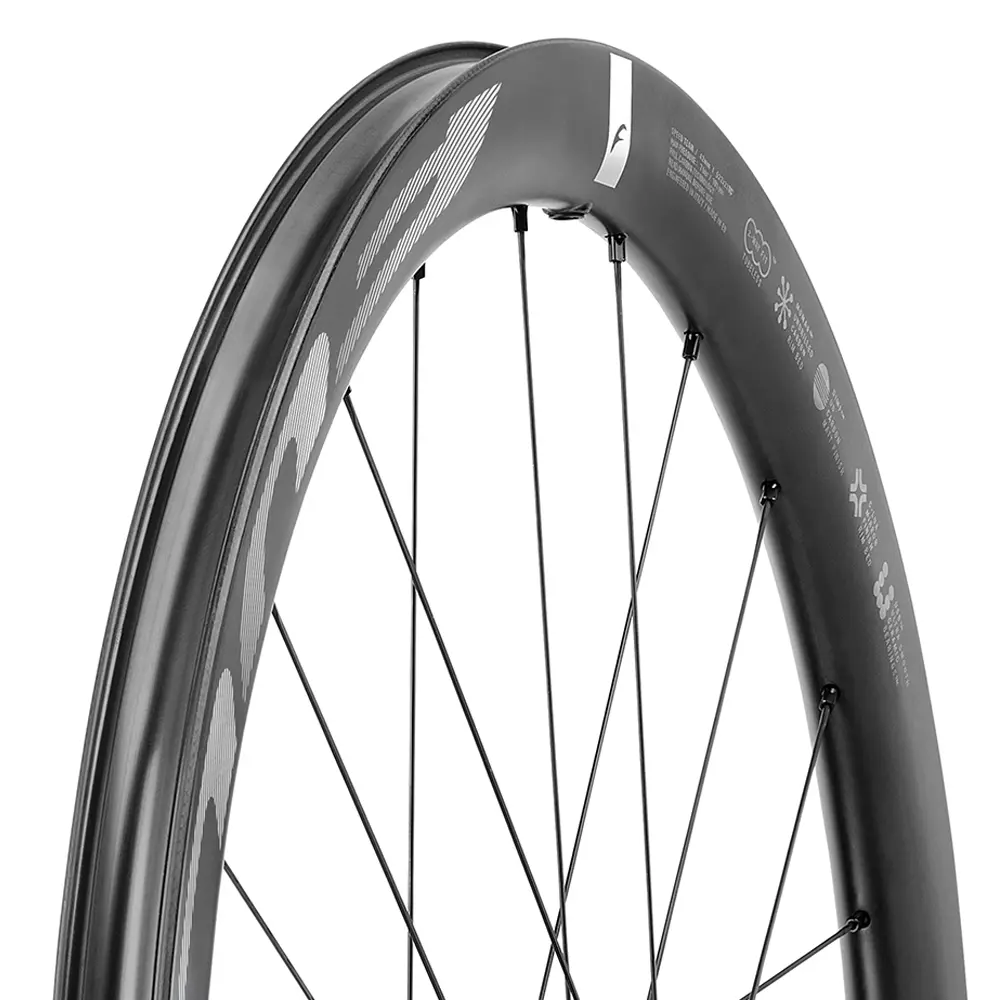
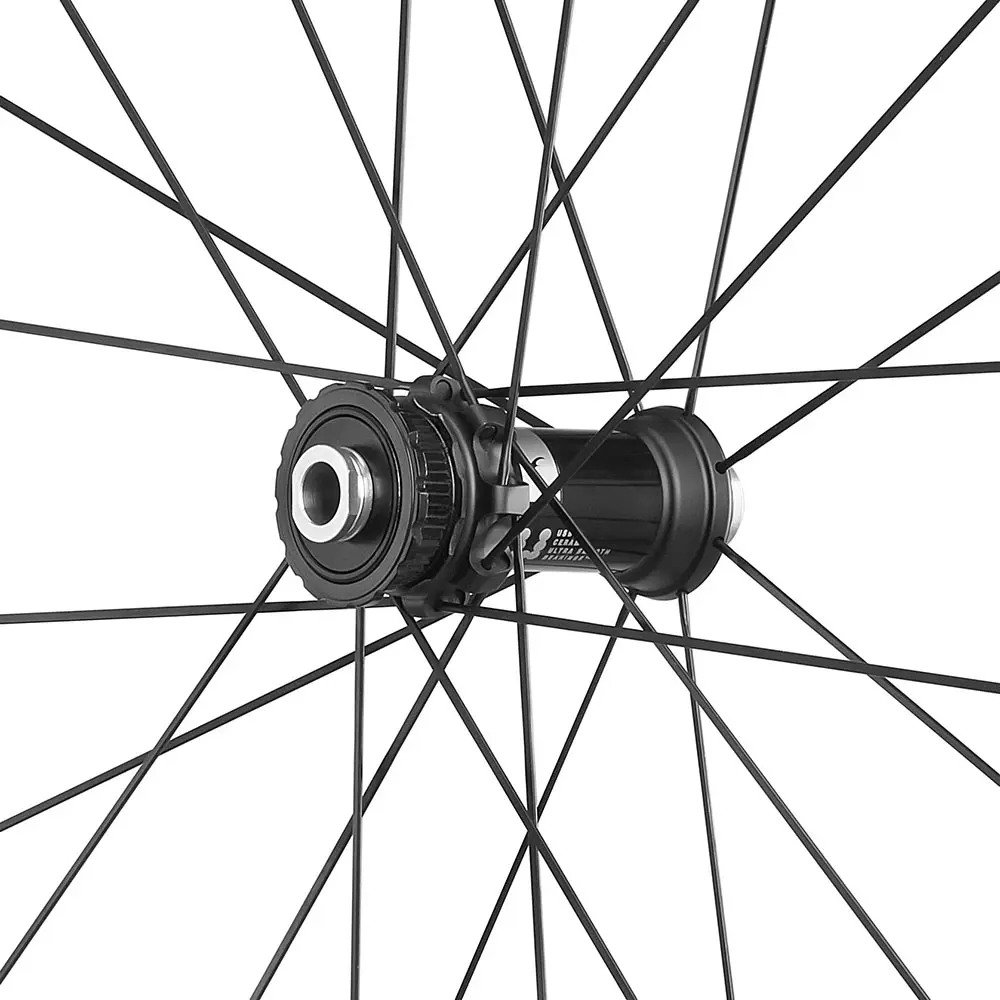
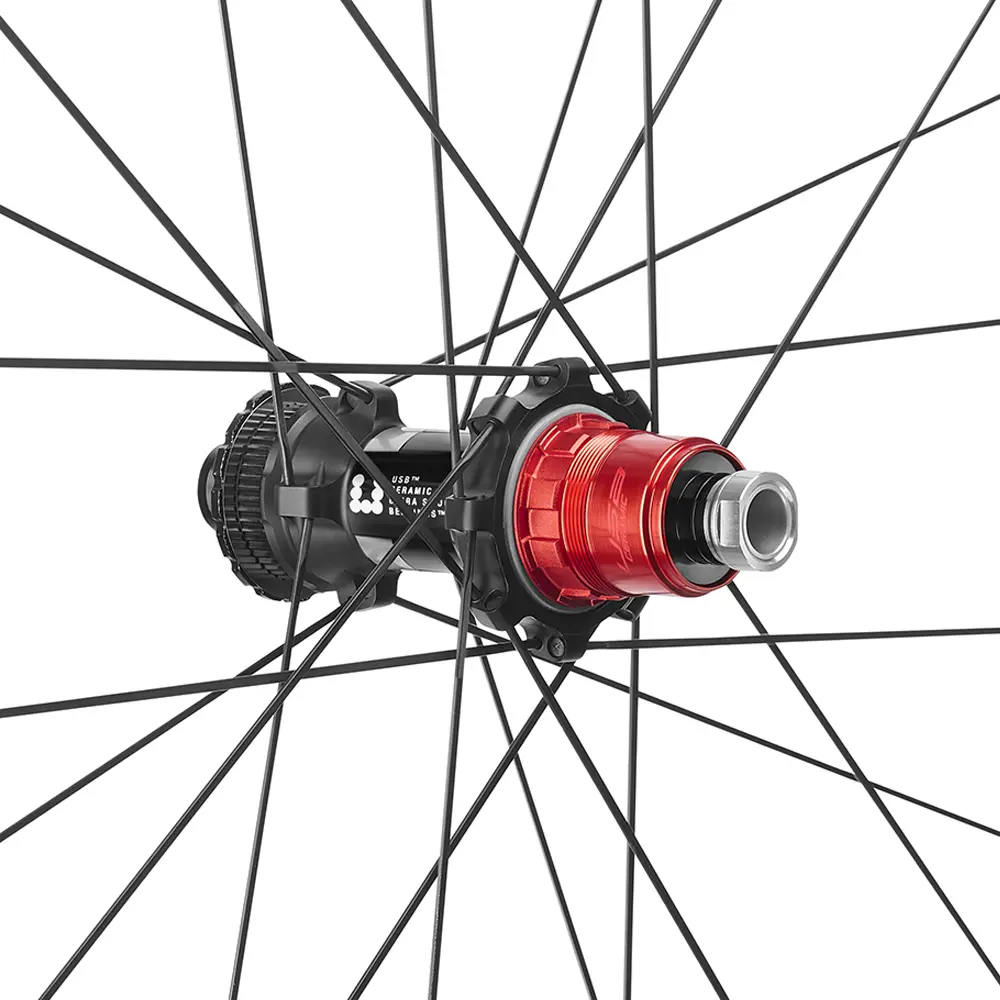
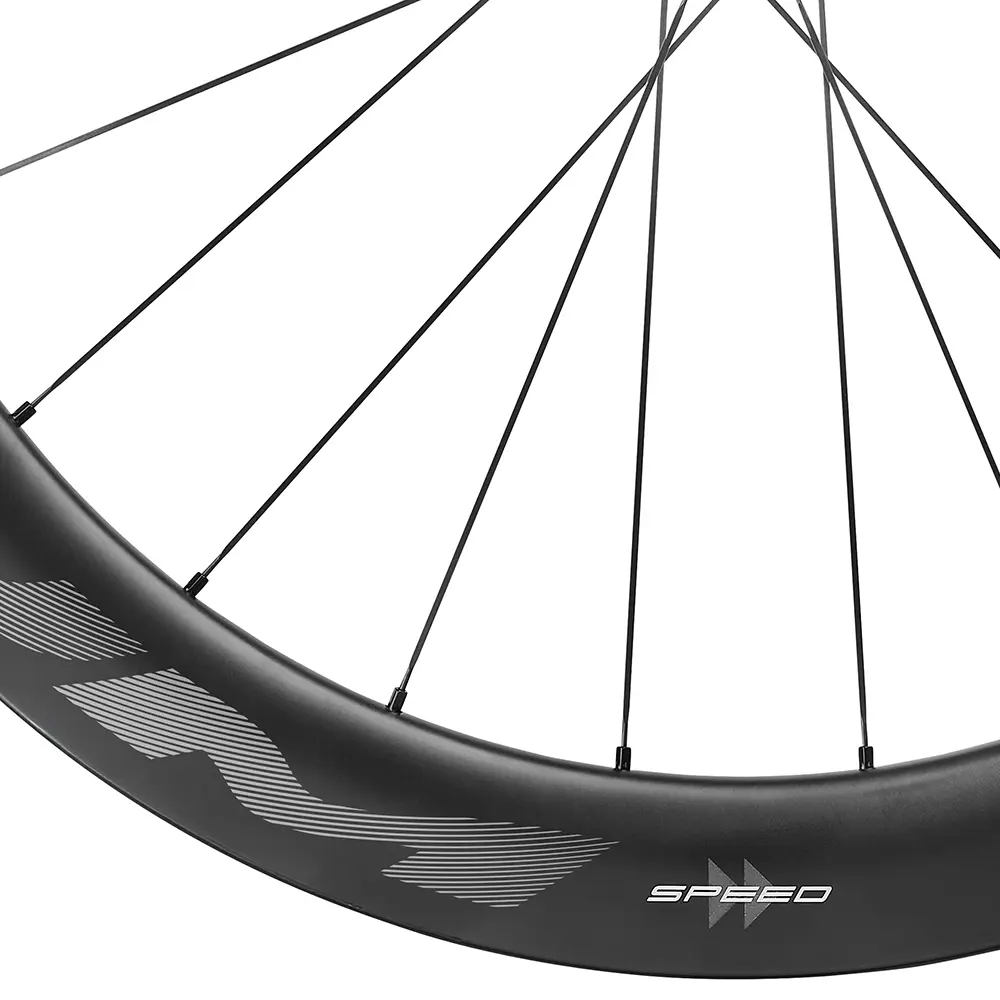
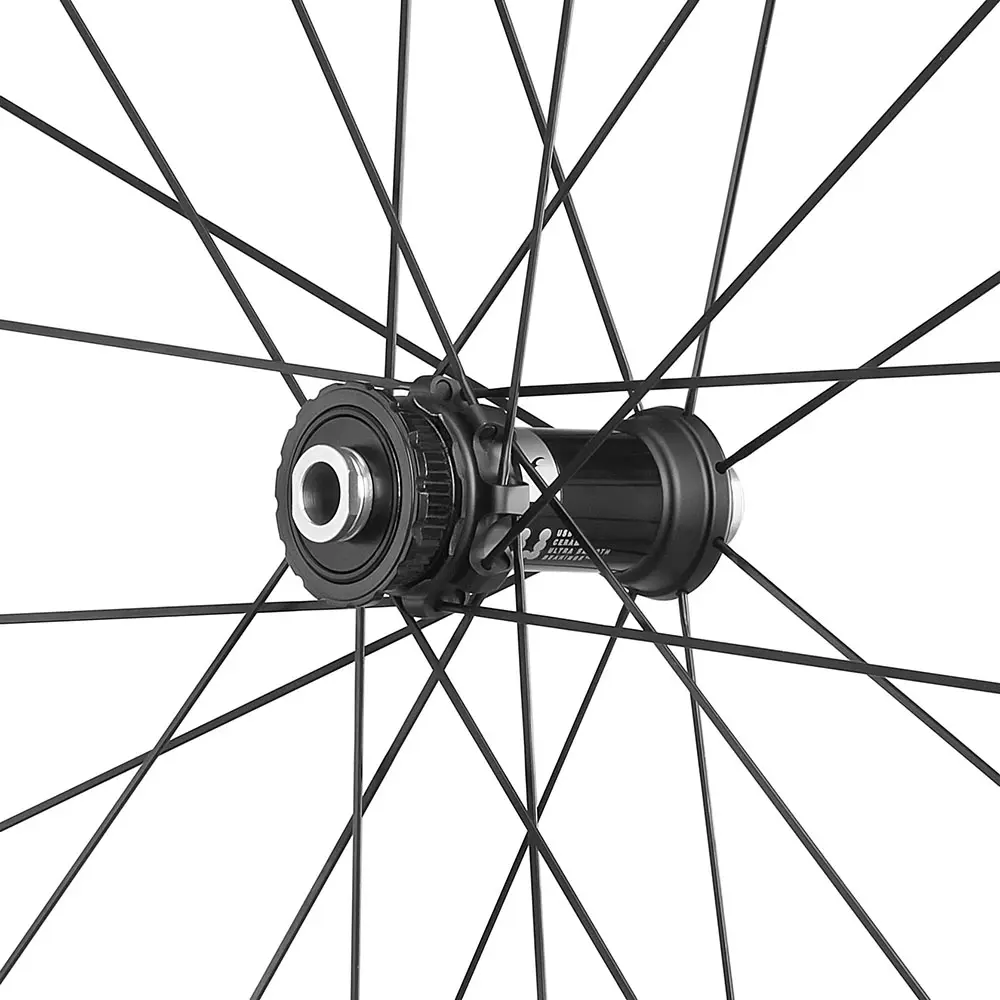
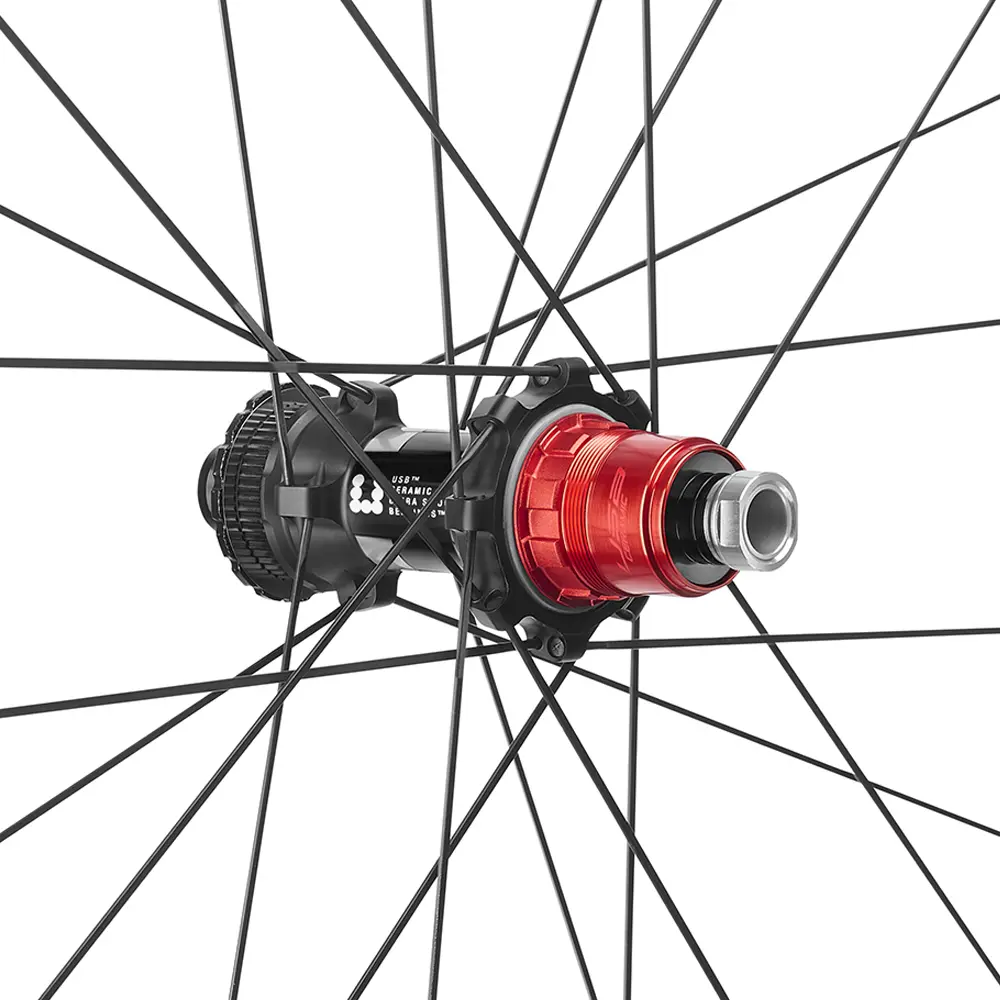
The great novelty is aesthetic and technical: a C-Lux finish, a mirror polishing that is found on Campagnolo wheels, which gives rims a distinctive chrome shine. This treatment, applied to the unidirectional high module FF100 carbon, is not limited to the style: it slightly improves surface resistance. On the mechanical side, Fulcrum lightened the freewheel body – still Campagnolo, with 36 teeth for a quick 10° engagement – and equipped with Ceramic bearings USBTM, reducing friction for increased fluidity. These adjustments allow a modest but real weight gain: 15 g for 42 mm, 25 g for 57 mm. Produced in Europe with a manual assembly, these carbon wheels have an impeccable quality. Yet at 2390 € against 1999 € for standard Speed (+391 €), changes remain relatively minor. The base was already excellent: aerodynamics and rigidity are not revolutionized, and the extra cost seems to be more linked to premium design and ceramic bearings than to a change in performance. The price of style, perhaps, more than a radical transformation.
Speed Team 42 Technical Specifications
- Profile : 42 mm
- Weight : 1395 g
- Internal width : 23 mm
- External width : 29,3 mm
- Moths : forged aluminium, Centerlock AFS, Campagnolo body 36 teeth
- Rays : 24 straight draw, Two-to-One
- Bearings : USBTM ceramics
- Prices : 2390 € (Shimano HG11, SRAM XDR or N3W)
- Accessories provided : tubeless covers and valves
Technical specifications of Speed Team 57
- Rim height : 57 mm
- Weight : 1470 g
- Internal width : 23 mm
- External width : 29,3 mm
- Moths : forged aluminium, Centerlock AFS, Campagnolo body 36 teeth
- Rays : 24 straight draw, Two-to-One
- Bearings : USBTM ceramics
- Prices : 2390 € (Shimano HG11, SRAM XDR or N3W)
- Accessories provided : tubeless covers and valves
Find all the information on the official website Fulcrum.