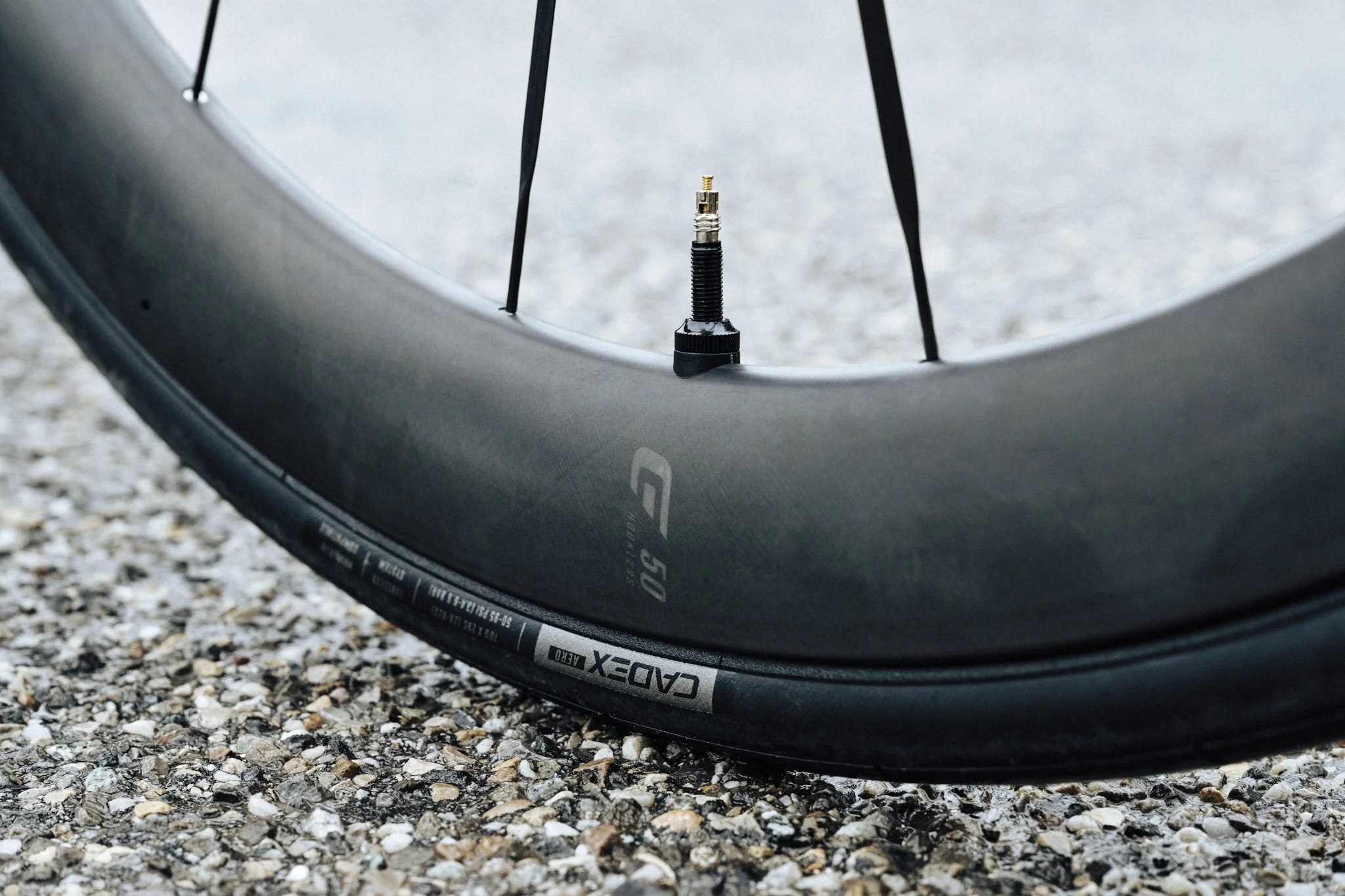
CADEX Max 50 + Aero tire: Taiwanese brand plays the map of the integrated system
CADEX has just unveiled its CADEX Max 50 WheelSystem wheels and the Aero tire that accompanies them, and the announcement deserves that we are retarded, not for the superlatives of the press release, but for what the approach reveals of the Taiwanese brand strategy for 2026.
The basic idea is simple: instead of selling a wheel and a tire separately, CADEX designs both as a single aerodynamic object. This is not a conceptual novelty in industry, but it is the first time CADEX has pushed the cursor so far on this philosophy. And the technical data are there to justify it, at least in part.
What carbon rays really change on CADEX Max 50
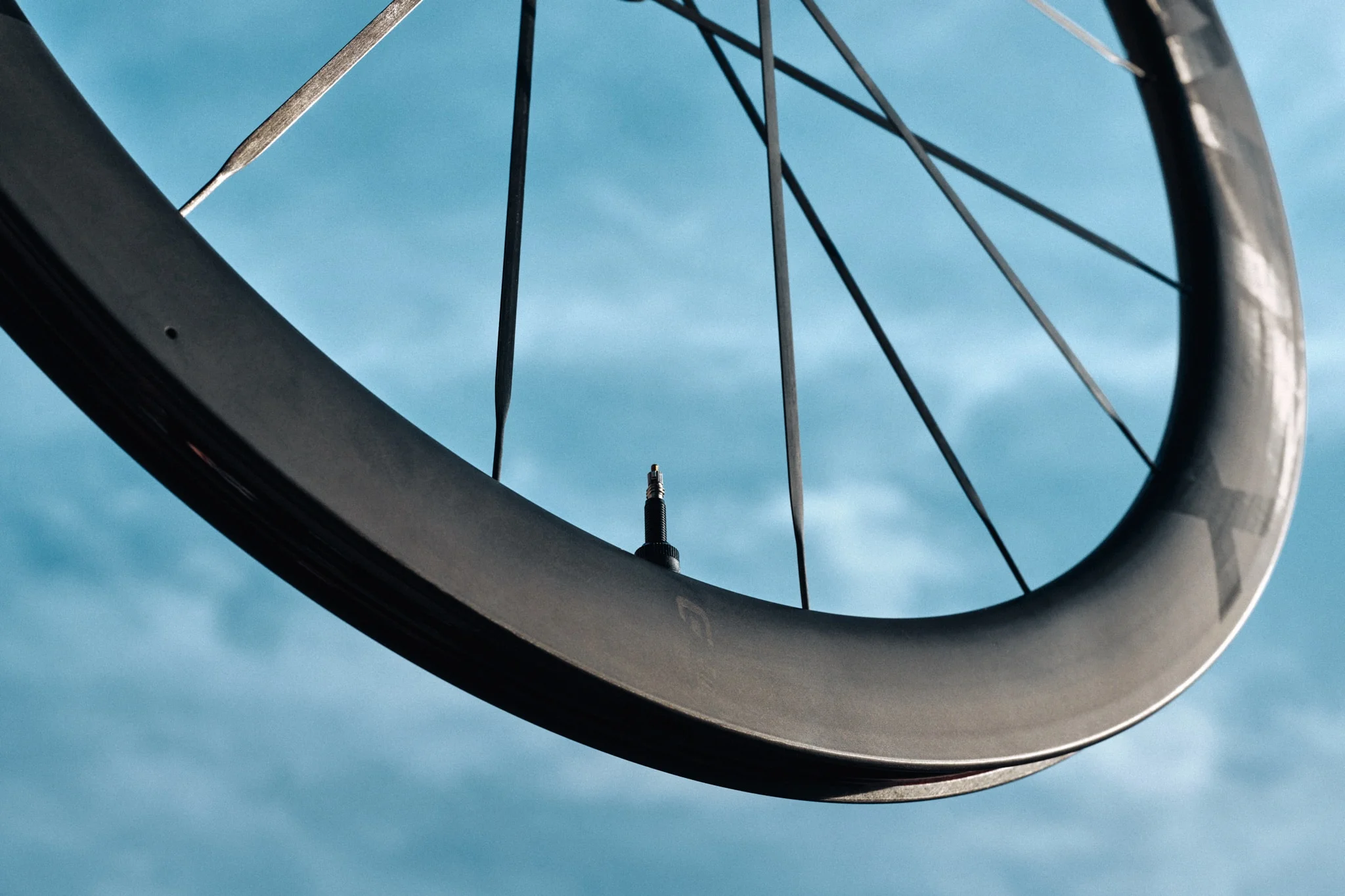
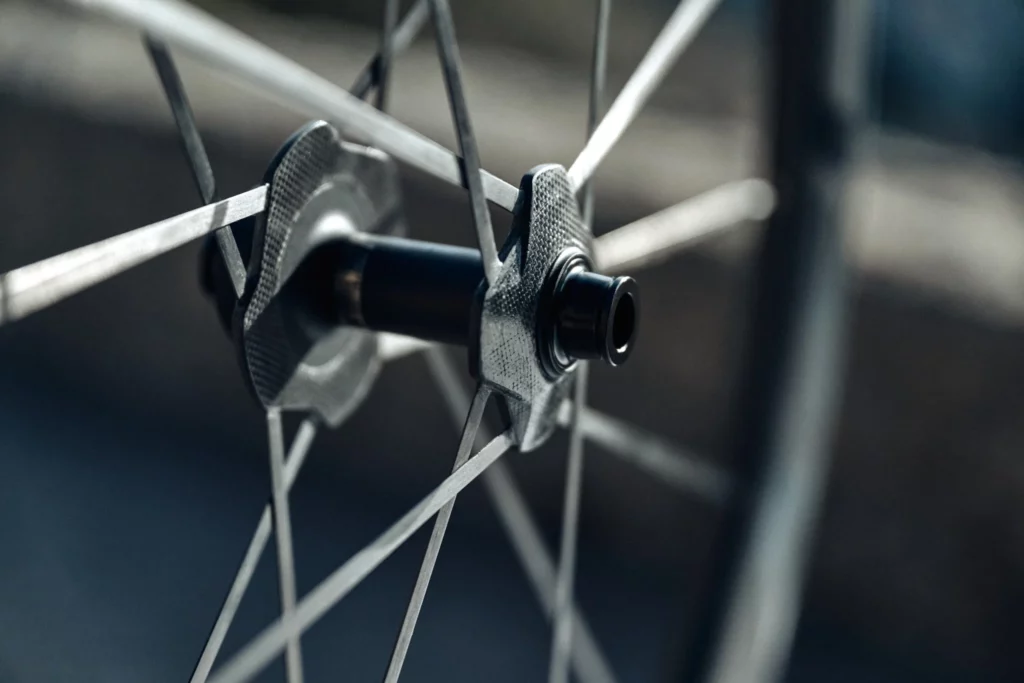
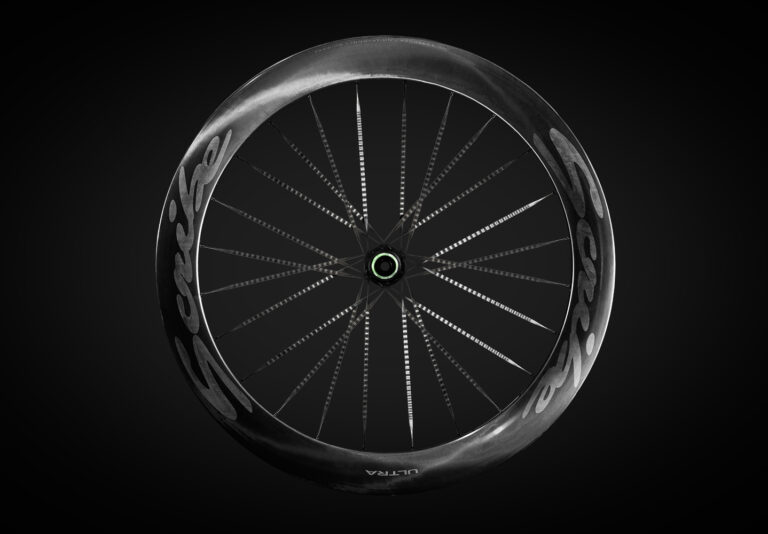
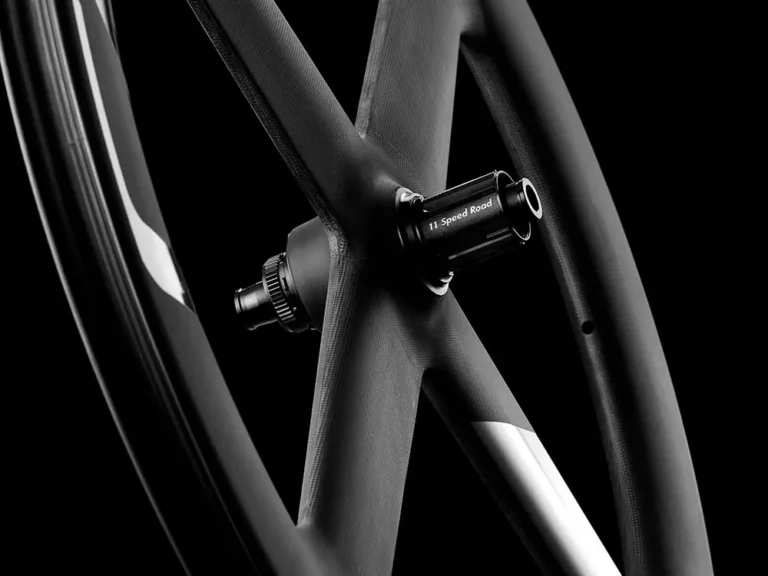
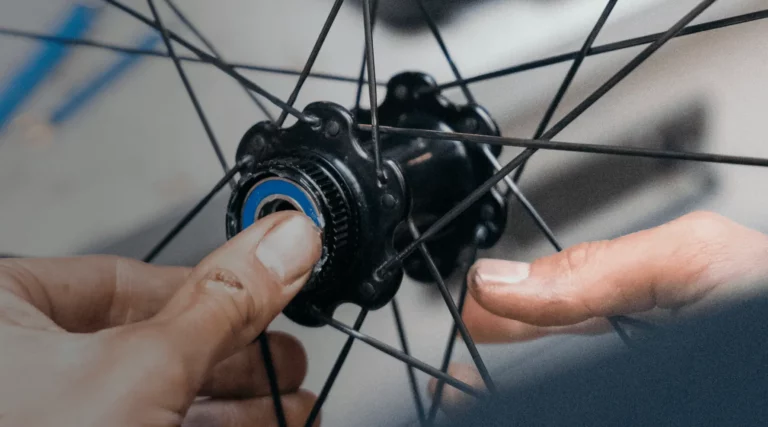
The technical core of the CADEX Max 50 is based on three interactive elements: a 50mm hookless rim, Super Aero integrated carbon rays, and a fine flange hub. The set weighs 1290g the pair, a correct figure for this positioning, without being stratospheric.
What deserves attention is the system. Dynamic Balanced Lacing. CADEX explains that this lacing geometry widens the angle of tension of the rays and stabilizes this voltage under load. The announced result: more rigidity in transmission than CADEX Ultra 50, more conventionally configured. In other words, the Max 50s are not just Ultra 50s with a revised profile, it's architecturally different.
The internal rim width of 22.4mm is part of the current standard for aerodynamic optimization with tires from 25 to 28mm. This choice is not insignificant: it is the dimension that makes it possible to fully exploit the redesigned profile of the Aero tire.
The Aero tire: finally a tyre designed for the wheel, not the reverse
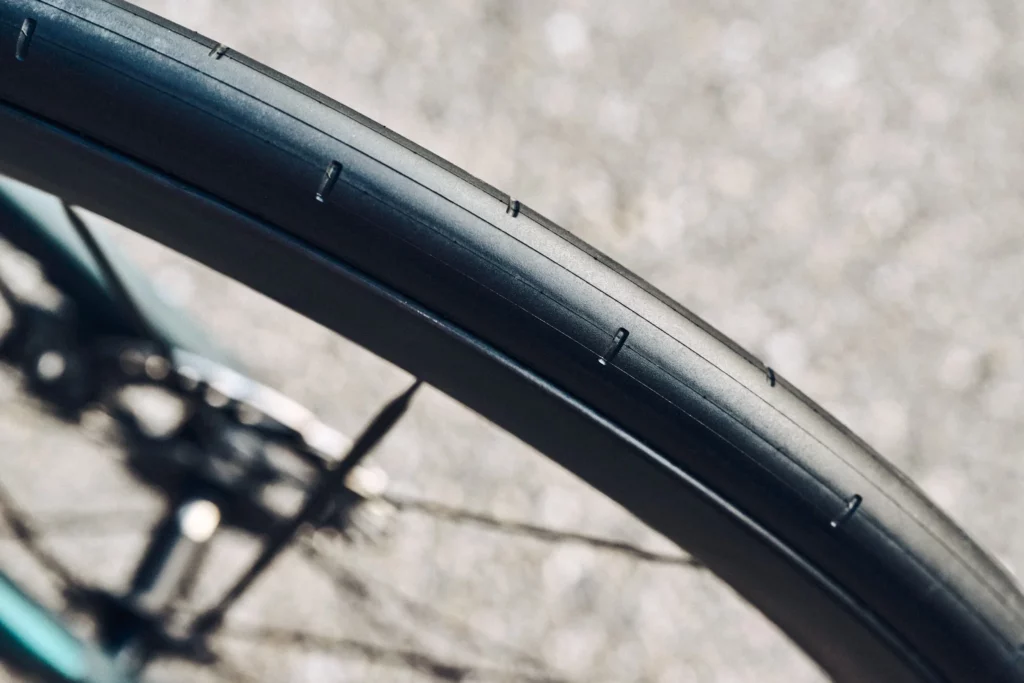
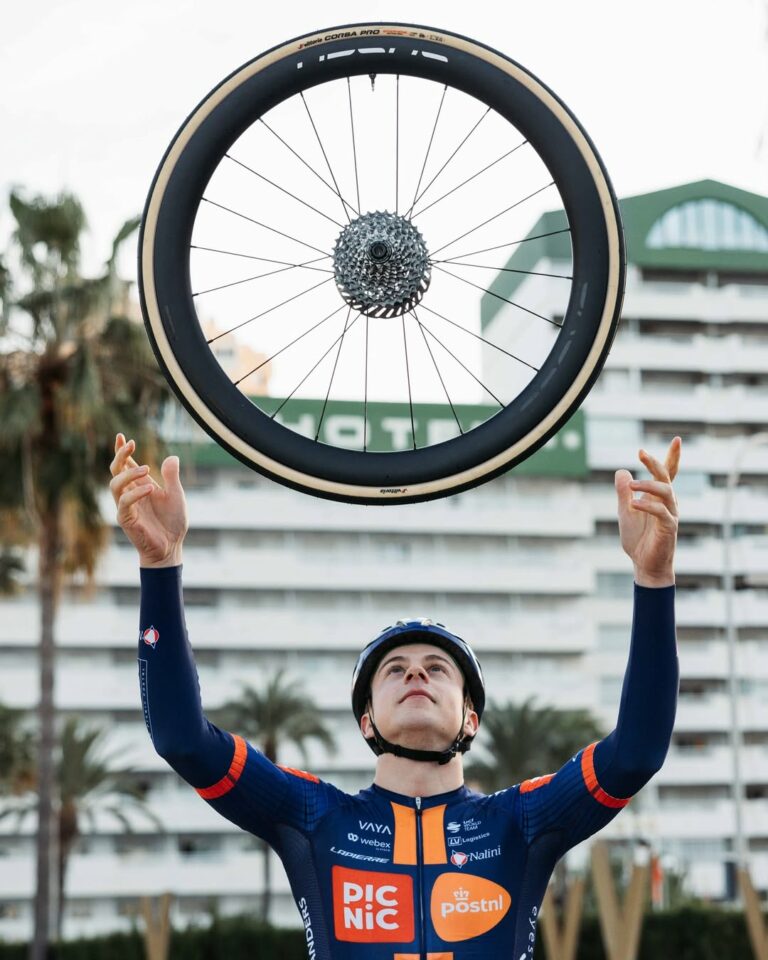
That's where the system angle makes sense. CADEX Aero is not a suitable generic tire. It was designed in tandem with the internal rim 22.4mm. Its profile is described as higher and wider than the previous CADEX tires, with redrawn shoulders to fluidize air flow on the rim slice. Objective: that the rim/pneu junction is not a point of turbulence but a continuity of form.
The carcase announced in 240 TPI is a serious indicator: at this level of yarn density, one is on a compromise rolling resistance / lightness which corresponds to what is expected of a high-end competitive tire. Puncture protection Race Shield is integrated and CADEX assumes that a running tyre is not synonymous with structural fragility.
This wheel + tire coupling, when controlled, makes it possible to optimize the famous ratio of rim width to tyre width, whose aero studies have shown importance.
My opinion
The approach is consistent. Designing the rim and tire together to optimize the aerodynamic interface is a direction that the physical data warrant. The Aero of a bike wheel is not in the wheel alone but in the whole rim + tire in motion. Dynamic Balanced Lacing is a real technical differentiation compared to the Ultra range, not a simple rebranding.
Technical specifications
- Profile: 50mm (Hookless rim, front and rear)
- Weight: 1290g the pair
- Internal width: 22.4mm
- External width: 30mm
- Moths: CADEX R3
- Rays: CADEX Super Aero
- Bearings: Ceramics
- Tire compatibility: Tubeless, CADEX Aero tire recommended
- Price: 3998€
Leave a comment