News Zipp 303 SW and 353 NSW with pressure sensor, a real revolution?
Zipp, the American brand of SRAM, redefines the standards of carbon wheels in 2025 with the 303 SW and 353 NSW, launched in May. Designed for road and gravel (303 SW) or race versatility (353 NSW), they incorporate a major innovation: the AXS Wheel Sensor pressure sensor, a first for real-time tire pressure monitoring. With lightweight ZR1 SL hubs and optimized rims, these wheels push the limits of aerodynamics and performance. The 454 NSW and 858 NSW, references for race and triathlon, receive a more discreet update. Here is an overview of the new features, features, and questions surrounding these carbon wheels that mark the year.
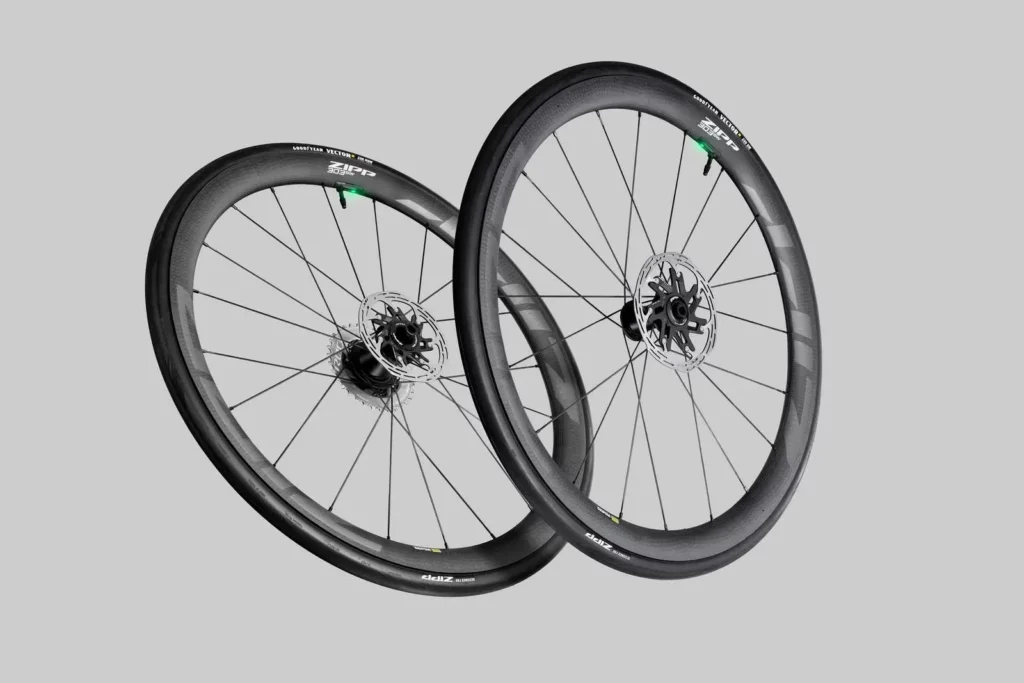
The Zipp 303 SW and 353 NSW wheels, new products and innovations
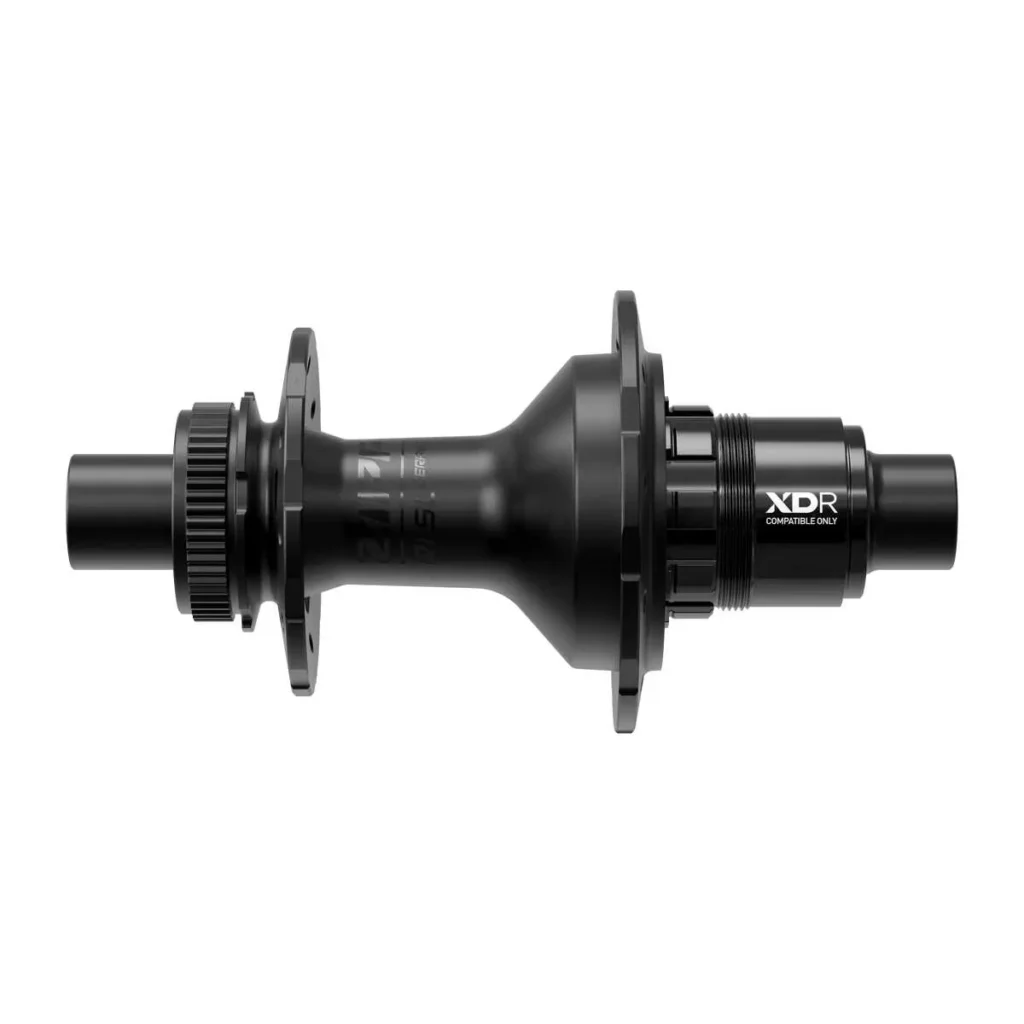
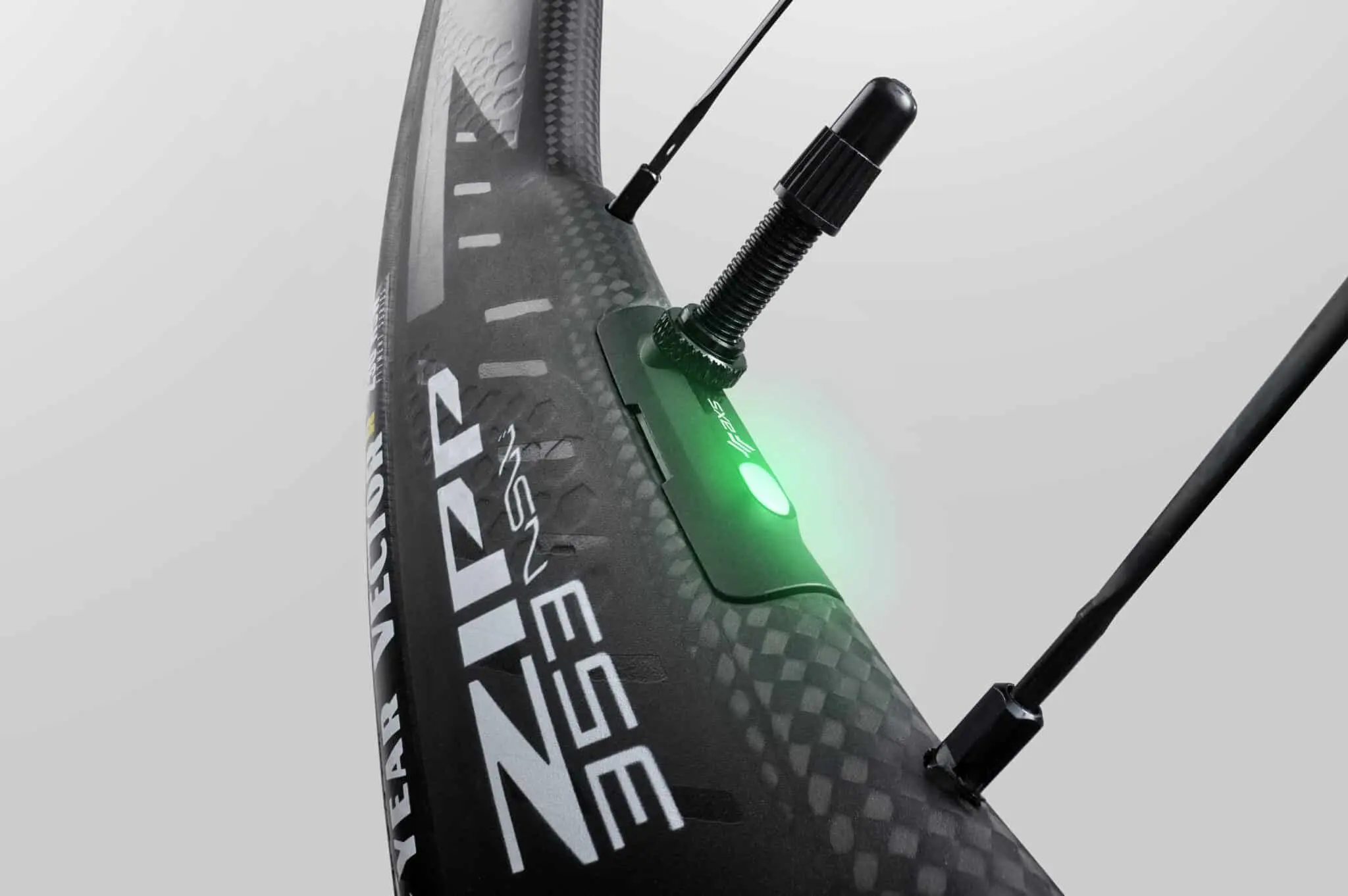
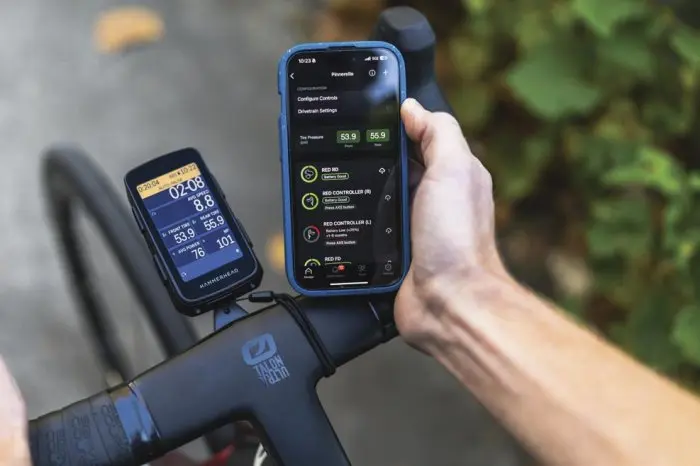
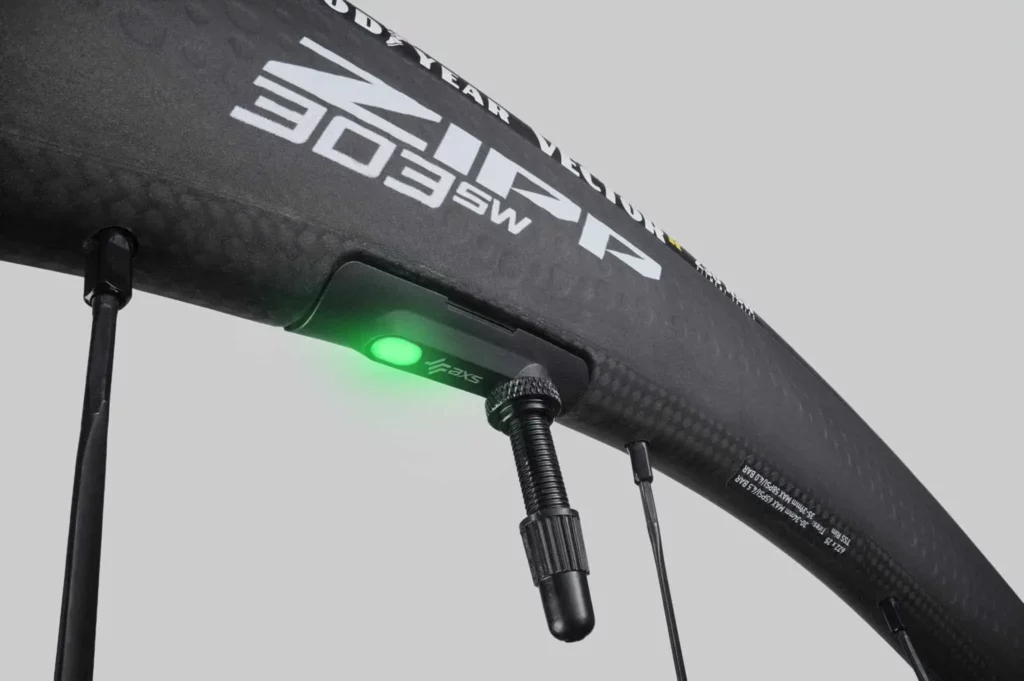
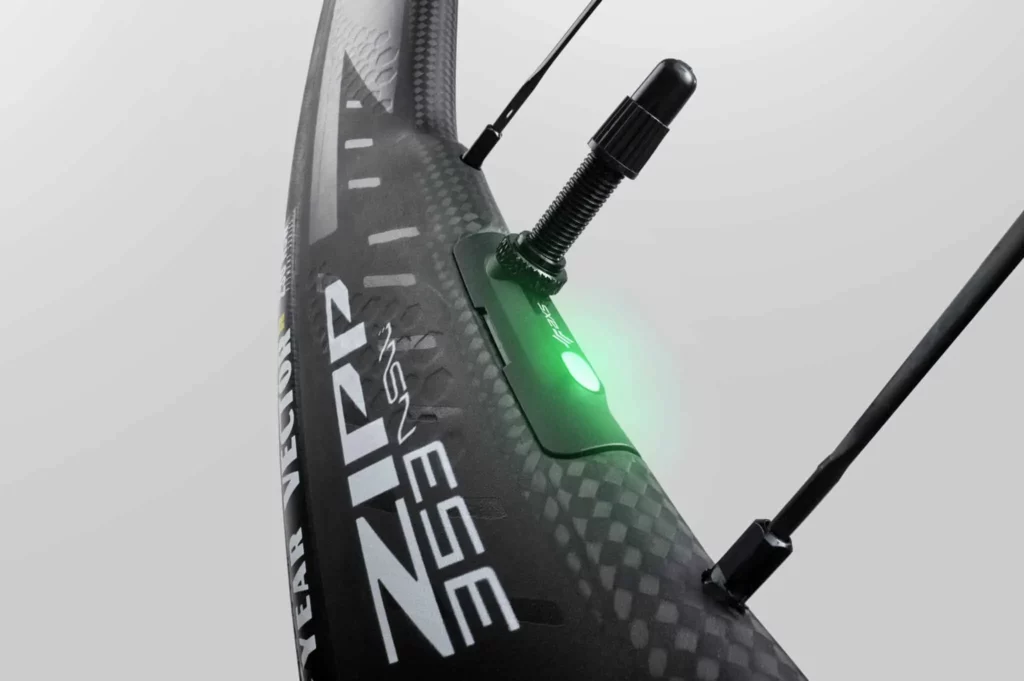
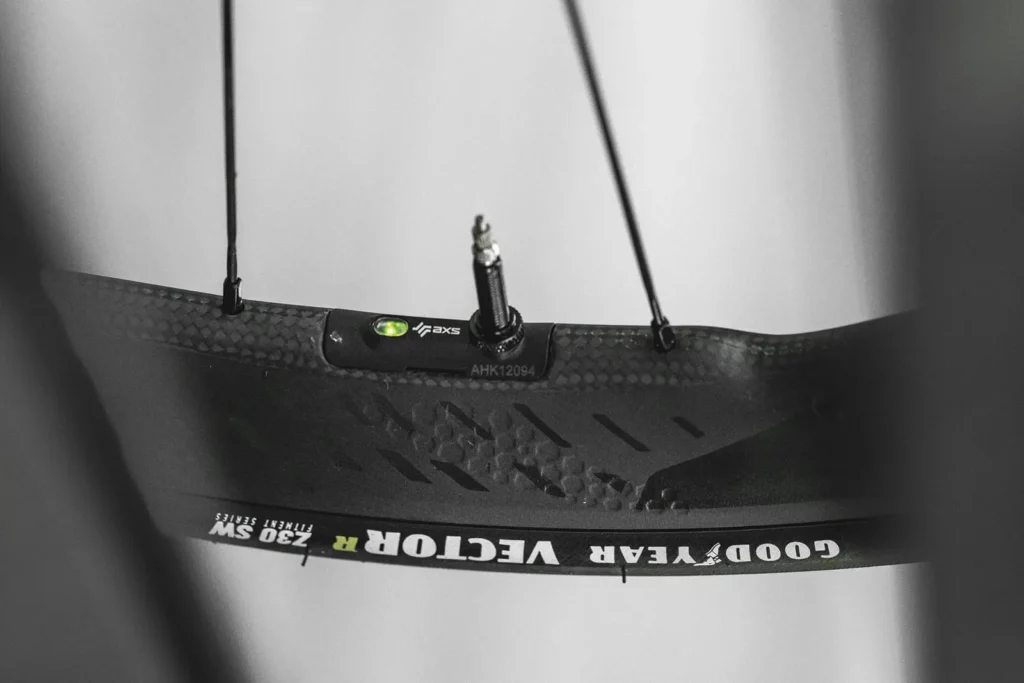
The Zipp 303 SW and 353 NSW are distinguished by the Zipp AXS Wheel Sensor, a tire pressure sensor connected via SRAM AXS, displaying real-time data on a Bluetooth meter or dedicated application. This system replaces external sensors with an integrated rim solution, with green/red LEDs to check the pressure before rolling. This innovation optimizes pressure to reduce rolling resistance and anticipate punctures, an asset for competitors and amateurs. The hookless wheels, designed for tubeless tires of 30 mm and more, boost the aerodynamics, and a new carbon layout improves impact resistance by 16% for the 353 NSW. ZR1 SL hubs, developed by SRAM, lose 30g. There are low friction ceramic bearings and a 66-point freewheel body for increased responsiveness.
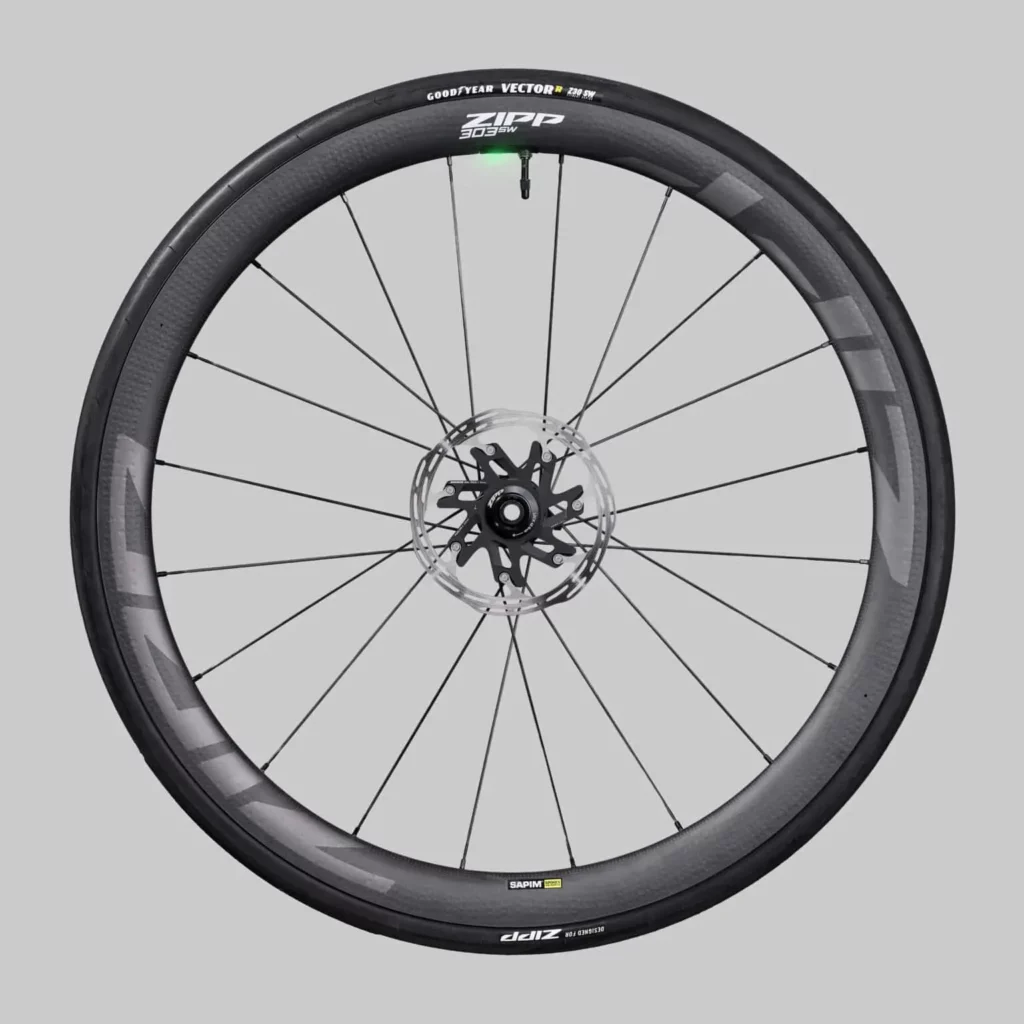
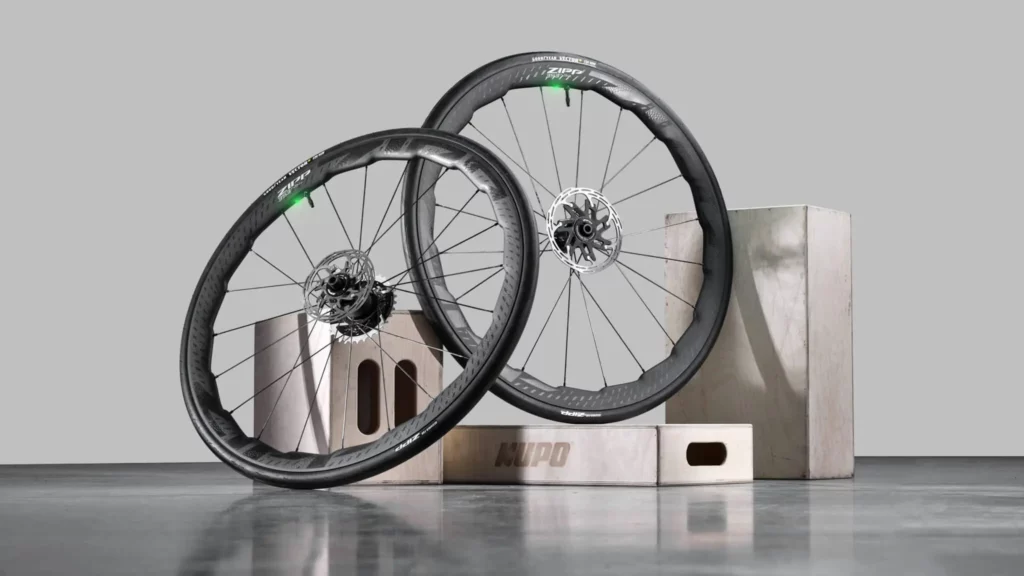
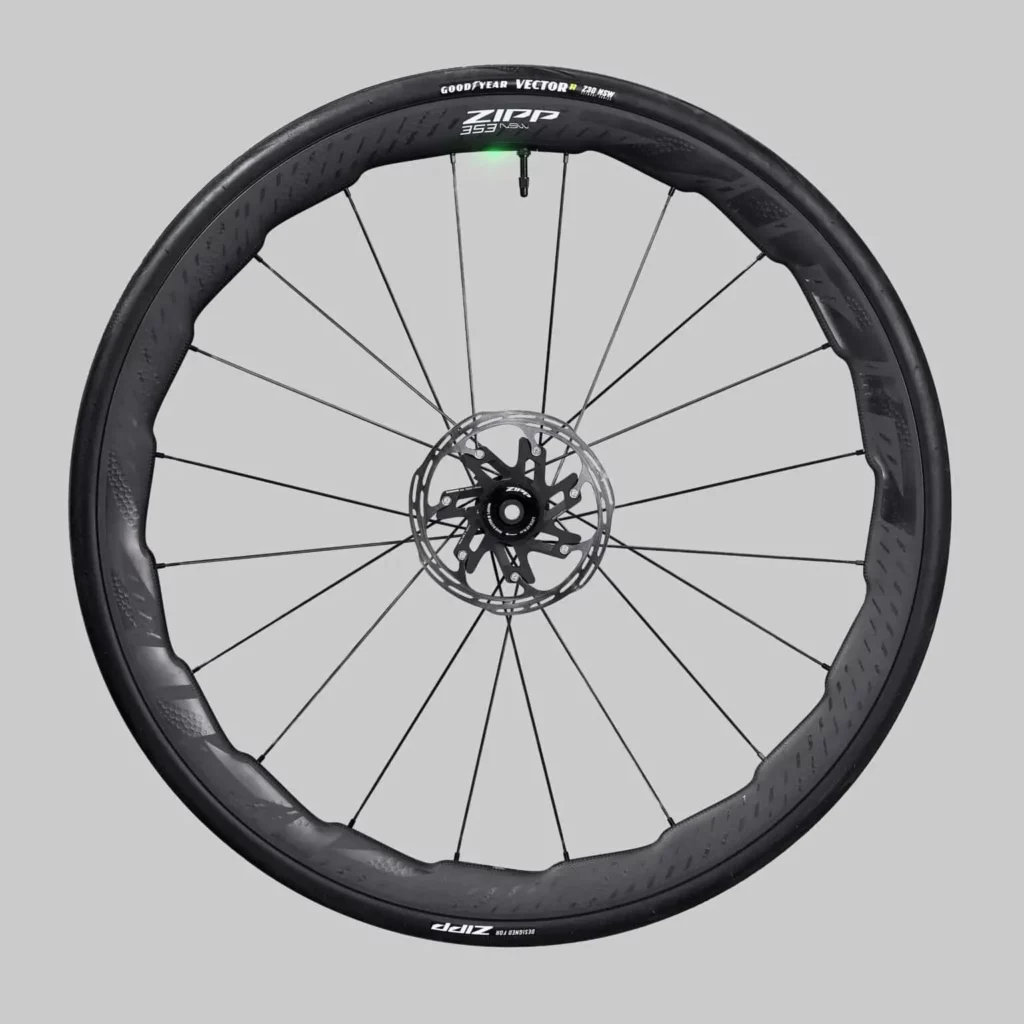
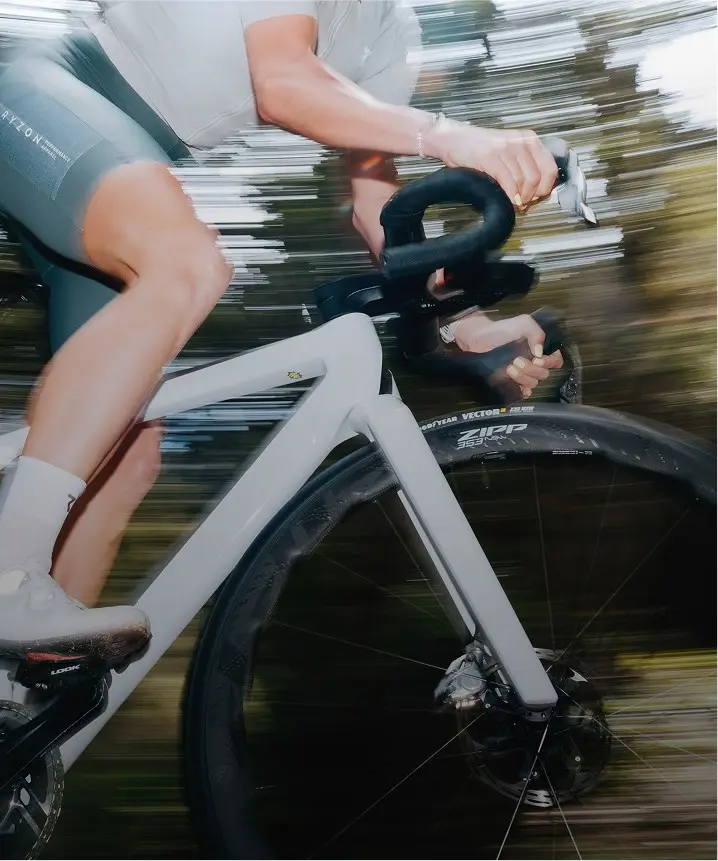
The 303 SW, heiress of the 303 Firecrest, excels in versatility: road, gravel, paved, cyclocross. With 40 mm of profile and 25 mm of internal width, it supports tires ranging from 30 to 44 mm, ideal for wide low-pressure tires such as the Goodyear Vector R XPLR 40 mm, designed for these wheels. At 1440 g, it is 90g heavier than its predecessor due to the addition of both sensors. The 353 NSW, ultralight to 1310 g, has a wavy profile of 30/40 mm (compared to 45 mm previously), improving lateral wind stability and 30 mm tire aerodynamics. Its design in « shark teeth » and its alveoles reduce drag, perfect for climbers and multi-purpose runners. At 2900 € (353 NSW) and 1900 € (303 SW), carbon wheels target the high end, worn by their connected technology.
Is the pressure sensor really useful?
The AXS Wheel Sensor, the flagship innovation of the 303 SW and 353 NSW, intrigues as much as it questions. If the ability to check the real-time pressure via a meter or application seems attractive, its real utility on the road is open to debate. For competitors who precisely adjust their pressure before a race or the gravelists juggling with various terrains, follow-up can offer a slight advantage. But for the majority of cyclists, who check their pressure at the pump or electronic mano before rolling, this technological addition seems superfluous, especially on conventional outlets where pressure variations remain minimal. The integration of the sensor slightly weighs the rim and may complicate tyre assembly, a compromise that could cool purists. At 1900-2900 €, one may wonder if this gadget, however ingenious it may be, justifies the cost facing already efficient wheels without connectivity. This search for real-time data, although in the air of time, is likely to appeal especially to technophiles, while others will favour the simplicity and gross performance of carbon wheels.
Technical specifications of the Zipp 303 SW
- Rim height : 40 mm
- Weight : 1440 g
- Internal width : 25 mm
- External width : 33 mm
- Moths : ZR1 SL, Centerlock, crossing axis (before 12×100 mm, rear 12×142 mm)
- Rays : 20 Sapim CX-Ray, crossed
- Bearings : ceramics
- Prices : 1900 € (Shimano HG11, SRAM XDR, Campagnolo N3W)
More information on the Zipp 303 SW on the official website.
Technical specifications of the Zipp 353 NSW
- Rim height : 30/40 mm (corrugated profile)
- Weight : 1310 g
- Internal width : 25 mm
- External width : 29.5 mm
- Moths : ZR1 SL, Centerlock, crossing axis (before 12×100 mm, rear 12×142 mm)
- Rays : 24 Sapim CX-Ray, crossed
- Bearings : ceramics
- Prices : 2900 € (Shimano HG11, SRAM XDR, Campagnolo N3W)
More information on the Zipp 353 NSW on the official website.
Update of Zipp 454 NSW and 858 NSW
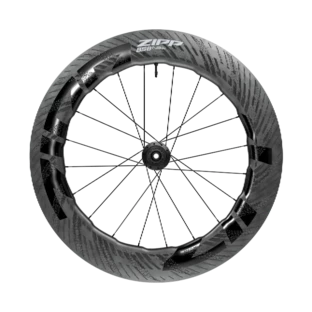
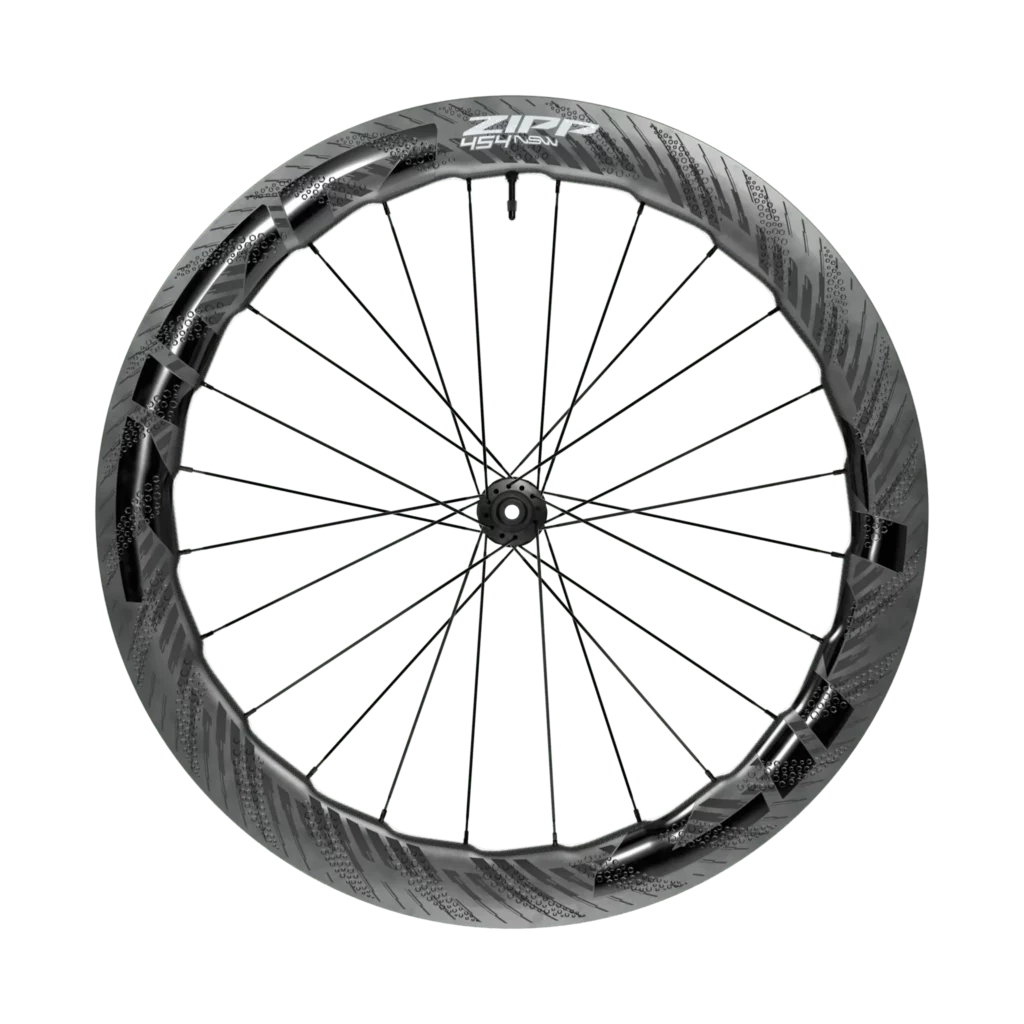
The Zipp 454 NSW and 858 NSW, pillars for race and triathlon, evolved discreetly in 2025. They adopt the ZR1 SL hub, lightened by 30 g with ceramic bearings and 66 engagement points. The wheels remain unchanged: 53/58 mm for the 454 NSW (Sawtooth, 1500 g, 28 mm tires) and 82/85 mm for the 858 NSW (1780 g, triathlon, 28 mm tires). Hookless and tubeless, they integrate Total System Efficiency (TSE) technology for less resistance and vibration. Without AXS Wheel Sensor, they lose connectivity. At 3200 € (454 NSW) and 3500 € (858 NSW), these carbon wheels remain premium choices for speed and stability, with gains focused on fluidity.