Corima
Corima: History of a brand of carbon wheels of excellence and its technical advances
If you are a cyclist looking for optimal performance or a enthusiast who wants to deepen your knowledge of bike wheels, this article is dedicated to you. We will trace the history of Corima, a renowned French brand in the field of carbon wheels, explore its technological innovations and detail its current range.
History of Corima: A Path to Excellence
1973: The first steps in composites
Corima's history began in 1973 in Loriol-sur-Drôme, in south-eastern France. Founded by Pierre Martin and Jean-Marie Riffard as « Riffard Martin cooperation » (Corima), the company initially specializes in the design of moulds and prototypes in composite materials. The latter, known for their lightness and strength, are intended for various sectors such as automotive, foundry and aeronautics.
For more than a decade, Corima perfects its skills in the handling of composites, developing rigorous technical know-how. This expertise, combined with a growing passion for cycling, is the foundation on which the brand will build its future.
1988: The advent of carbon wheels
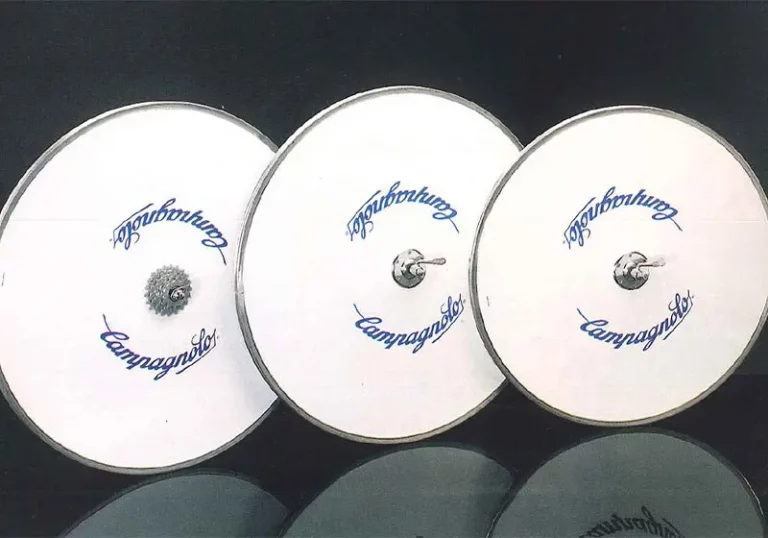
In 1988, Corima made a strategic turn by starting cycling with a major innovation: a lenticular wheel entirely made of carbon. At a time when aluminum wheels predominate, this breakthrough marks a turning point. Designed to provide an optimal balance between lightness, rigidity and aerodynamics, this wheel quickly attracts the attention of professionals.
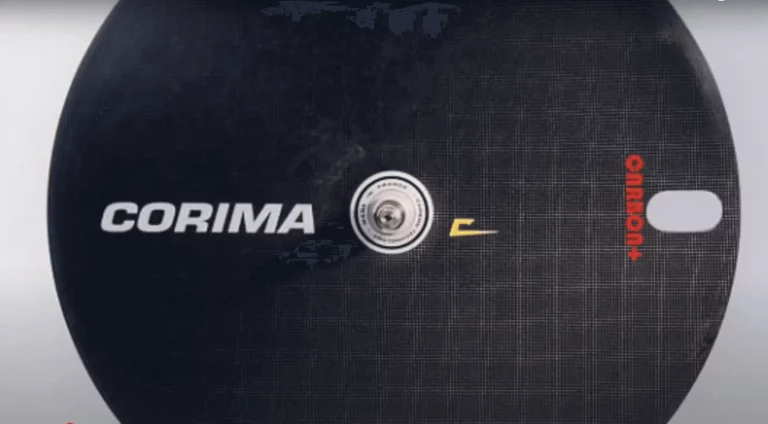
1991 saw the introduction of an iconic design: the 4-stick wheel. This bold and efficient model strengthens Corima's reputation as a pioneer in the field of carbon wheels. These first achievements demonstrate a clear ambition: to push technical limits to improve the performance of cyclists.
The 1990s: An ascent on the international stage
The 1990s propel Corima to a global benchmark. The brand is a team of legendary cycling figures, such as Laurent Fignon, who has won successes with Castorama thanks to innovations such as the Manta aerodynamic handlebar, or Chris Boardman, dominant on track with Corima wheels. These partnerships enhance the credibility of the company and increase its visibility.
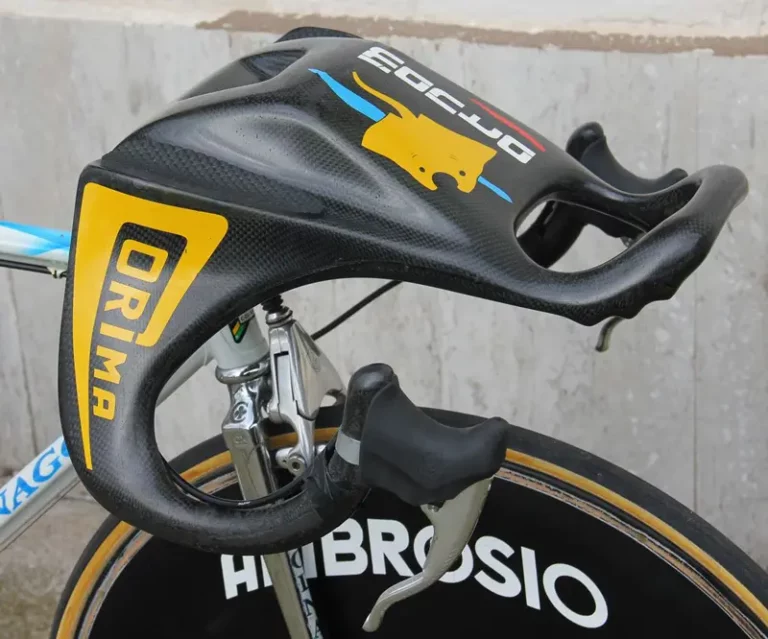 The Manta hanger by Laurent Fignon
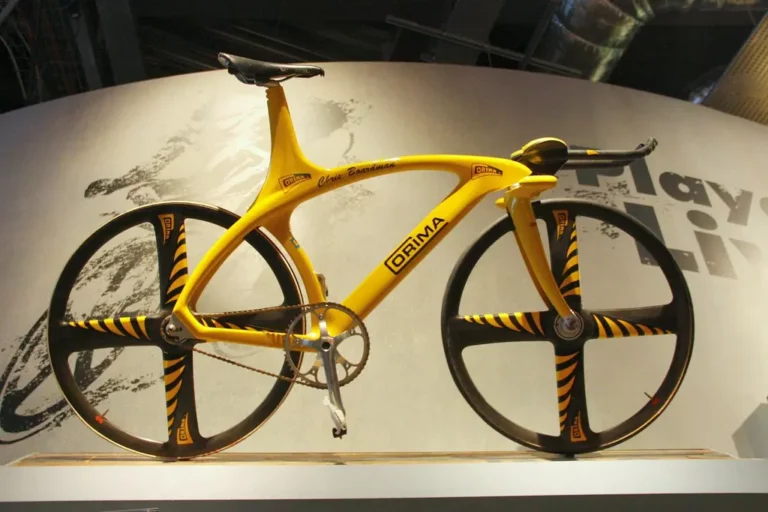 Chris Boardman's bike for his time record
At the same time, Corima is embarking on the production of single block carbon frames, integrating advanced technologies such as the « Torsion box ». This structure, reinforced by an aeronautics foam, optimizes rigidity while minimizing weight – a decisive asset for competitors. This period marks Corima's affirmation as a key player in high-level cycling.
The 2000s: Concentration and Development
In 2004, Pierre-Jean Martin succeeded his father in the direction of Corima, bringing a modernized vision while preserving the technical heritage of the brand. The company is refocusing its efforts on carbon wheels, abandoning executives in 2011 to focus on its area of excellence. This decade saw the emergence of the CMC wheel in 2010, an all-carbon model awarded for its design and adopted by professional teams, including Astana, a partner for 10 years.
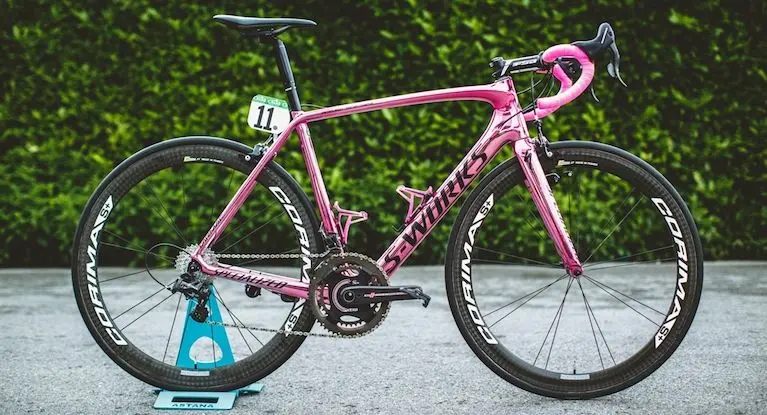 The bike of the Messine shark during his victory over the Giro
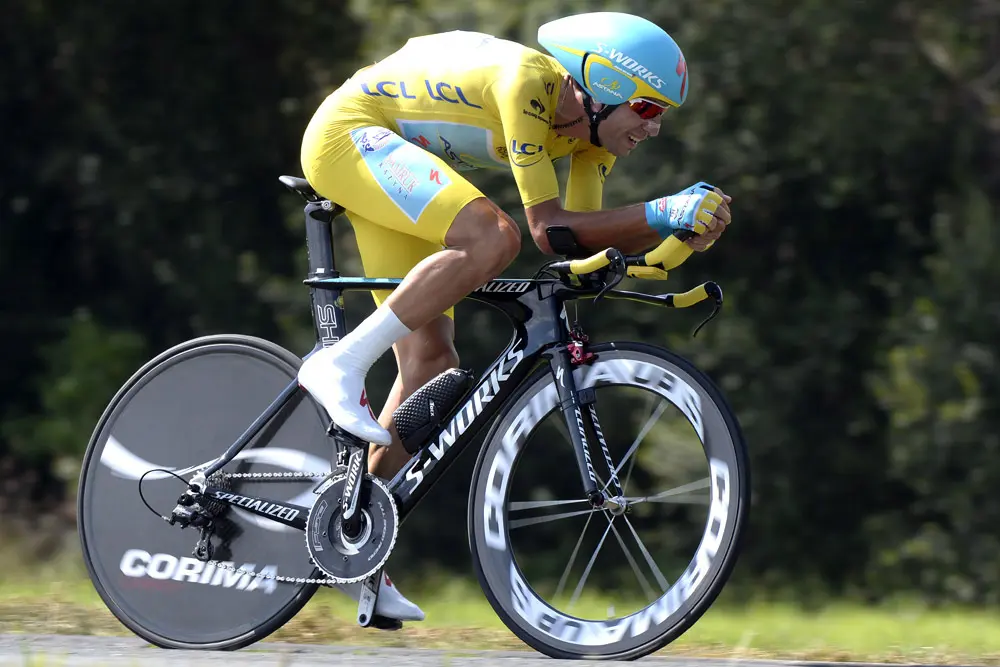 Nibali at the time of his reign on the Tour de France
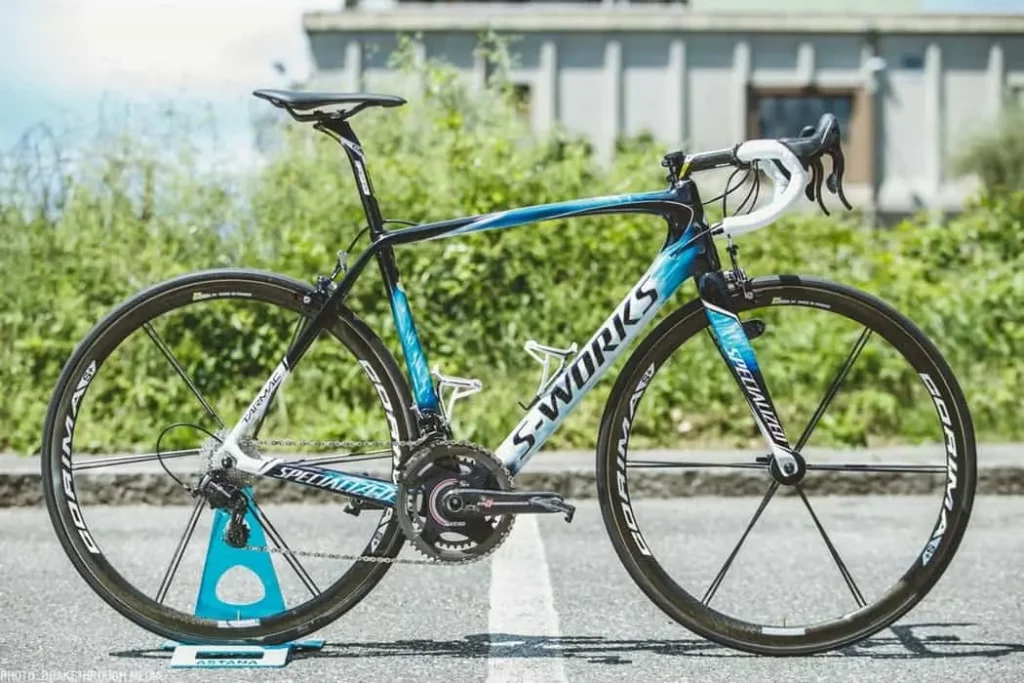 Nibali's bike with the famous CMC
Track cycling remains a pillar, with close collaborations like that with the Fédération Française de Cyclisme. Each wheel, crafted in the workshops of Loriol-sur-Drôme, reflects a constant commitment to quality and performance.
2016 to today: Synergies and Adaptation
In 2016, Corima entered into a strategic partnership with LOOK Cycle, the French leader in carbon frameworks and pedals. This alliance strengthens their capacity for innovation, particularly in emerging segments such as gravel and disc brake systems. While adapting to market developments, Corima maintains its DNA: carbon wheels designed for performance.
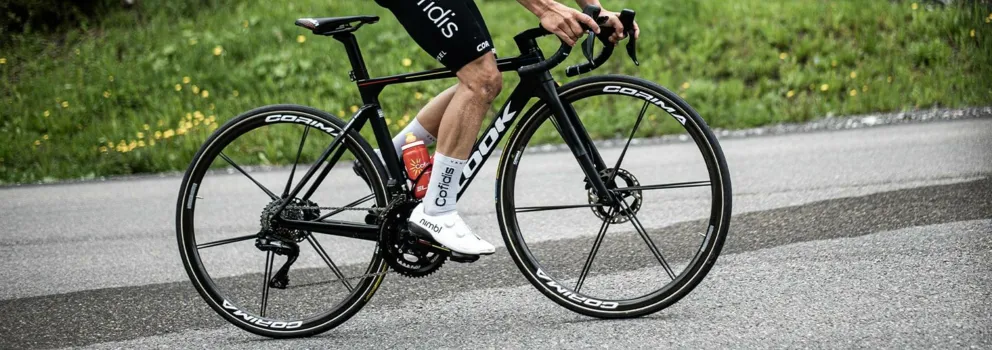
Released since 2025 from its engagement with Look, the brand accompanies leading athletes such as Laurent Jalabert or the French Cycling Team on Track for the Olympics 2024. His award – world medals and victories over the Grand Tours – testifies to a refined expertise over more than three decades.
Corima Innovations: Advanced Technology
Let's move on to the technical advances that distinguish Corima. Here are the keys to their success.
Pre-impreginated carbon: An exemplary production
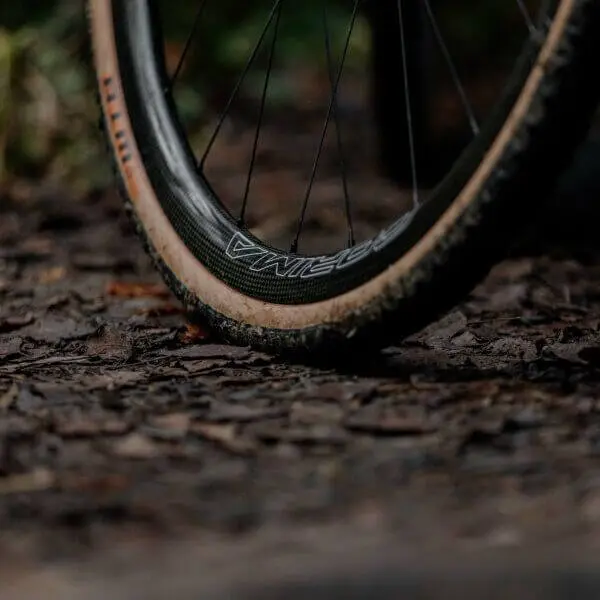
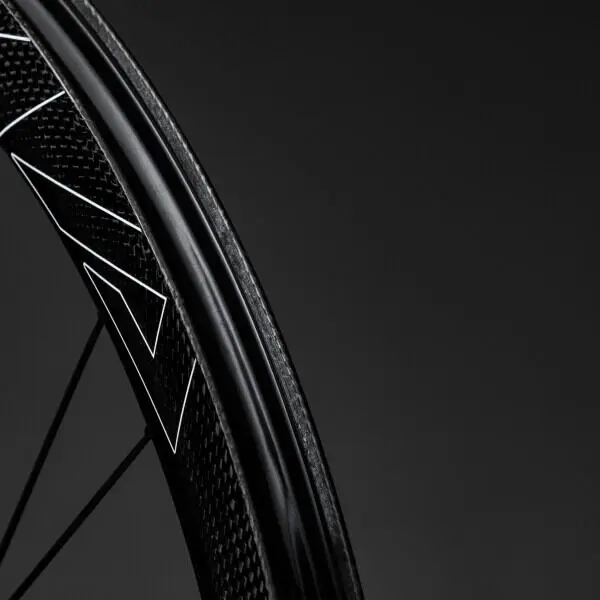
Corima uses pre-impregnated carbon fibres, molded by hand in her French workshops, in the Ain. This process ensures a uniform distribution of resin, ensuring exceptional strength and reduced weight. This artisanal approach is a guarantee of quality and consistency, essential for high-end carbon wheels.
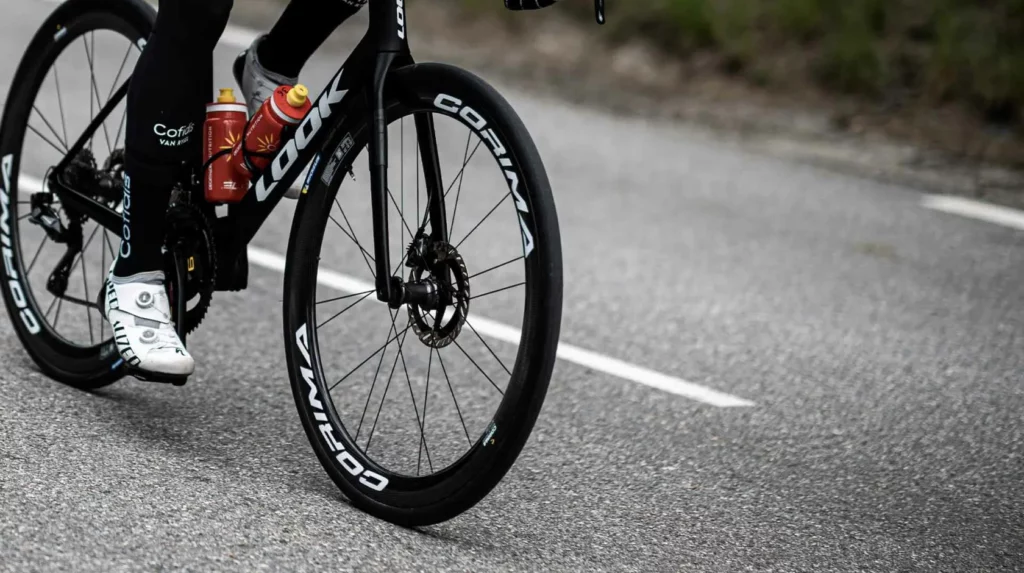
The Torsion Box: Rigidity and Efficiency
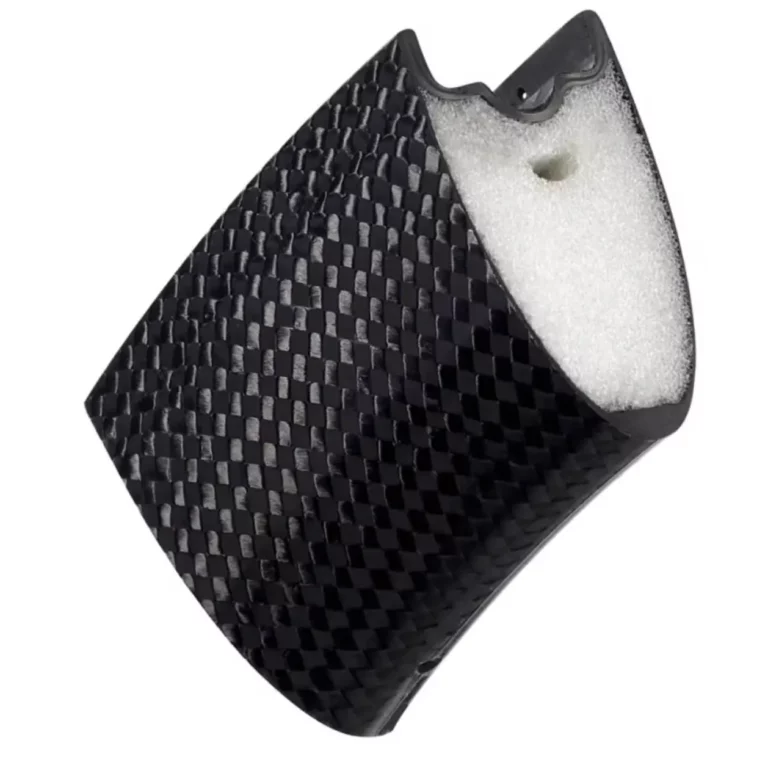
The « Torsion box » is a distinctive innovation. By integrating a light aeronautic foam and a reinforcement bar into the structure, Corima optimizes lateral rigidity without increasing the mass. This technology maximizes the transmission of power, a notable advantage in rise or during intense efforts.
CMCs and their unique carbon rays
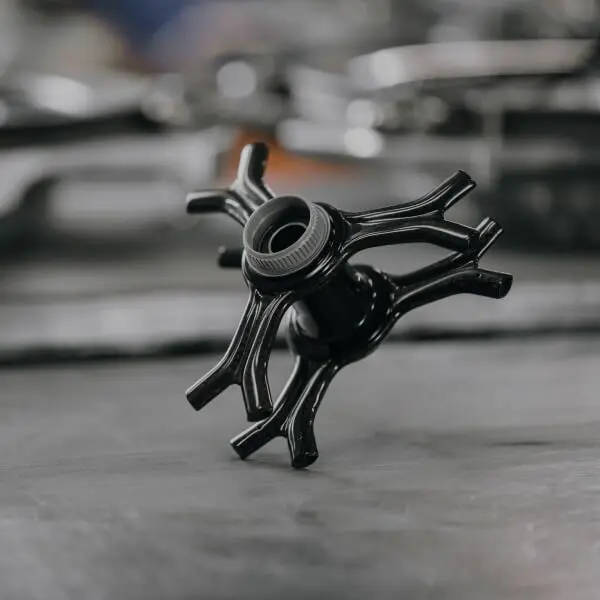
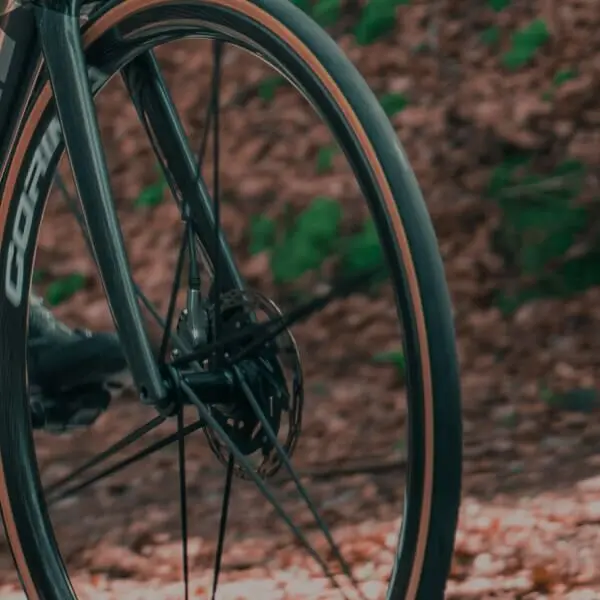
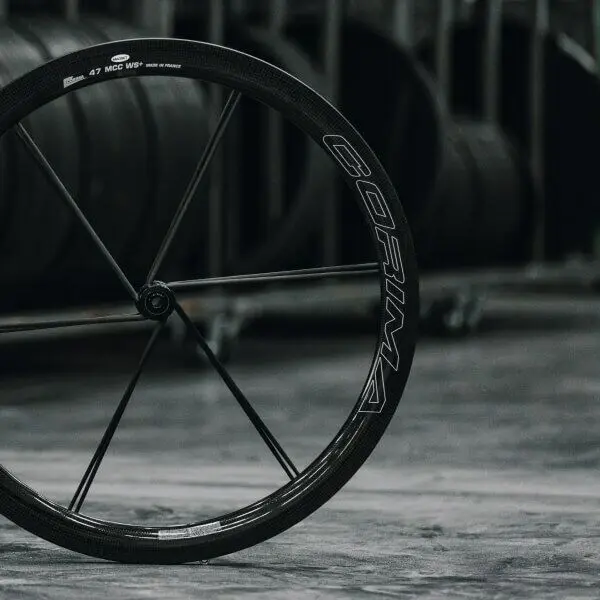
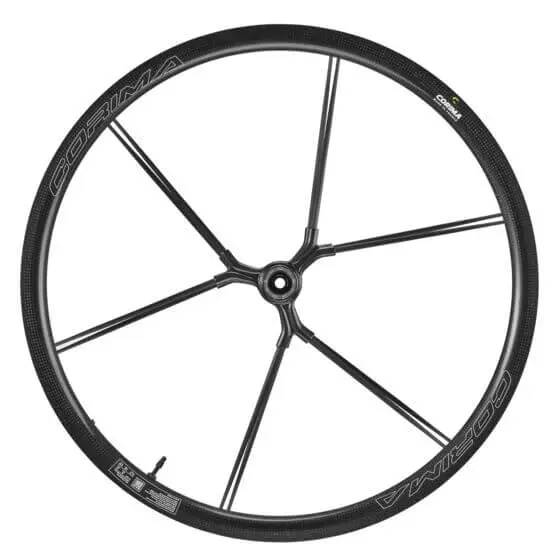
Among Corima's flagship innovations, the MCC series (Molded Carbon Concept) is distinguished by its carbon beams from an exceptional design. Introduced in 2010 and perfected with versions like the CMC DX, this wheel incorporates 12 single-block carbon beams, directly cast into the rim and hub during the manufacturing process. Unlike traditional steel beams or adjustable voltage systems, these fixed rays form an integral structure with the wheel, eliminating any play and optimizing lateral stiffness. This approach, resulting from Corima's mastery of composites, offers an unparalleled power transmission, essential for sprints or steep climbs, while reducing weight – a key advantage for competitors. Tested in windmills and on the biggest races, these spokes embody the brand's artisanal expertise, guaranteeing aerodynamics and durability, even under the extreme constraints of professional cycling.
The Corima range: a diversified offer
Corima offers a range adapted to each discipline. Here is an overview of the options available.
Road: Performance and Versatility
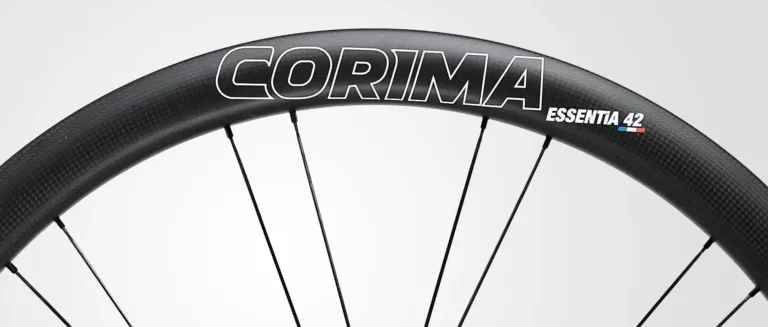
The WS Black series, available in various heights (32 mm, 47 mm), excels on the road thanks to its aerodynamics and lightness. The CMC, with its 12 carbon rays, is designed for competitors seeking maximum rigidity. The Essentia 40 offers a versatile alternative for demanding cyclists.
 CMC
CMC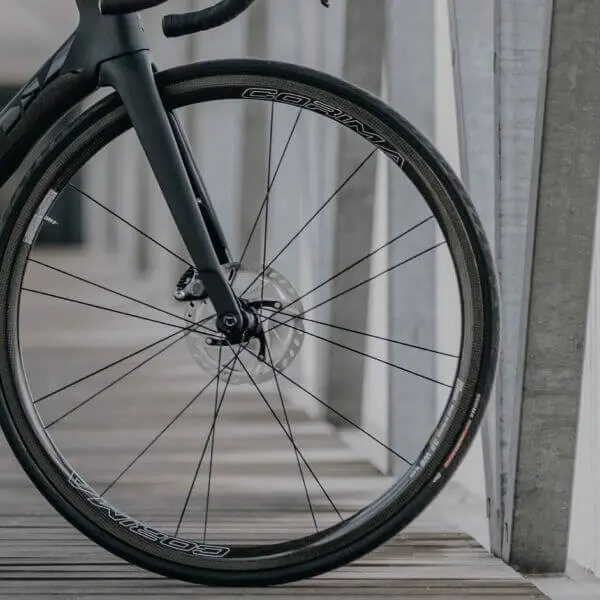 WS
WS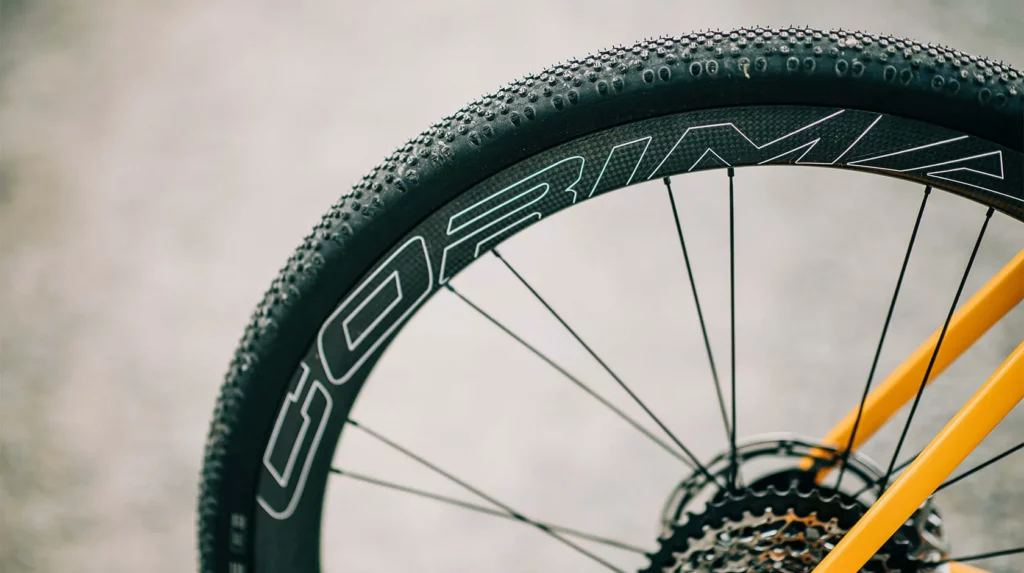 Essentia
Track and Handisport : Specialized Expertise
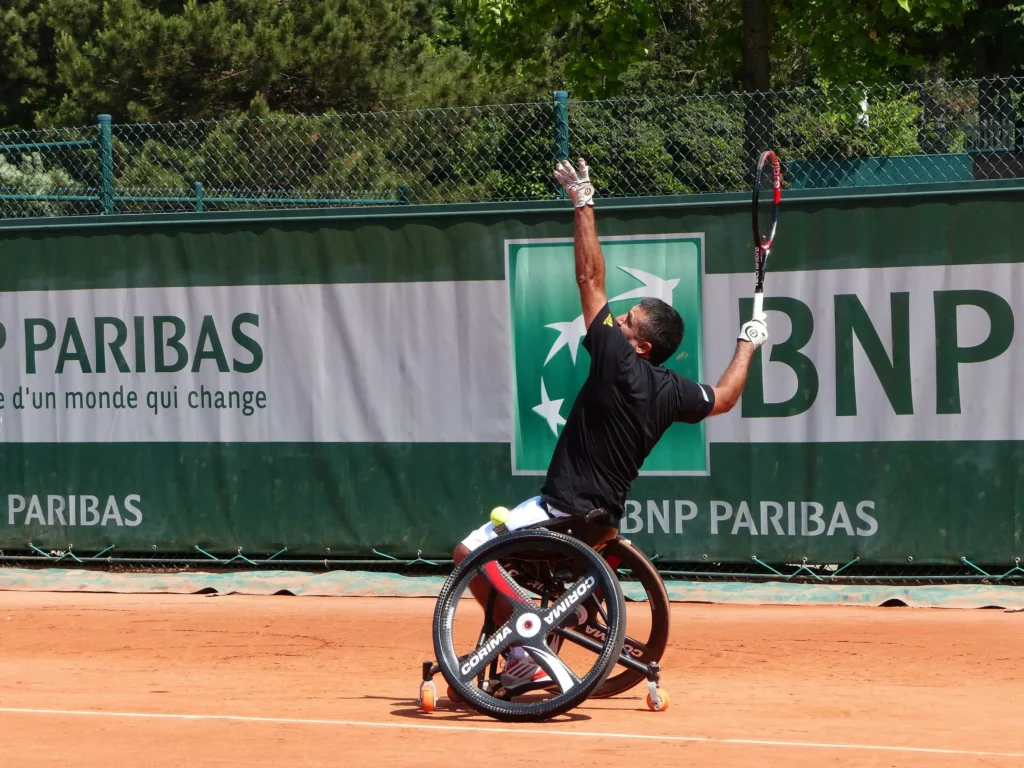
On track, the Lenticular C+ and 4 Sticks wheels dominate their speed-oriented design. In Handbike (tennis), Corima is a world leader with custom models, offering durability and performance adapted to Paralympic athletes.
Why choose Corima?
Choosing Corima carbon wheels is a French brand that combines legacy, innovation and proven results. Their French manufacture, their involvement in competition and their attention to detail make it a preferred choice for serious cyclists. Although a significant investment, its quality and longevity make it a sure value.
More information on the official website Corima