Syncros Capital Test SL 40: Is the single block wheel worth 4000€ ?
Field test · 2000 km · Schwalbe Pro One 30 mm
Syncros Capital SL 40
Profile 40 mm · Carbon monobloc MWS · Centerlock Disc
For this Syncros Capital SL 40 test, you must return to the starting point. When Syncros unveiled the Capital SL in the summer of 2023, the technical data sheet was one figure: 1170g for a 40mm profile. But the real subject was elsewhere. Rim, carbon rays and hub flasks are moulded in one piece, without radius nut, without possible tension adjustment. A radical approach, billed 3999.80€ The pair. The kind of promise that deserves to be verified away from the press releases, and especially over the duration.
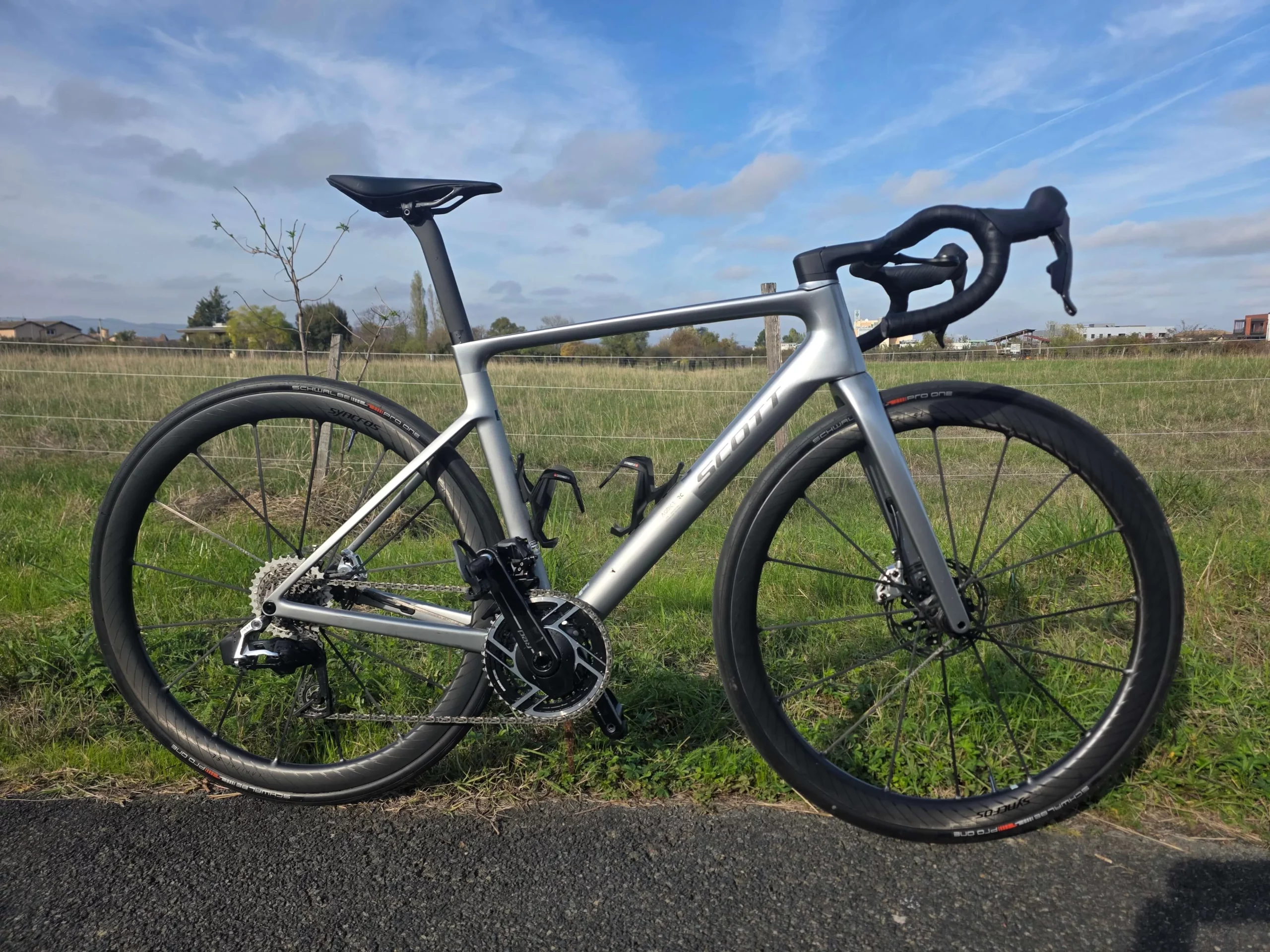
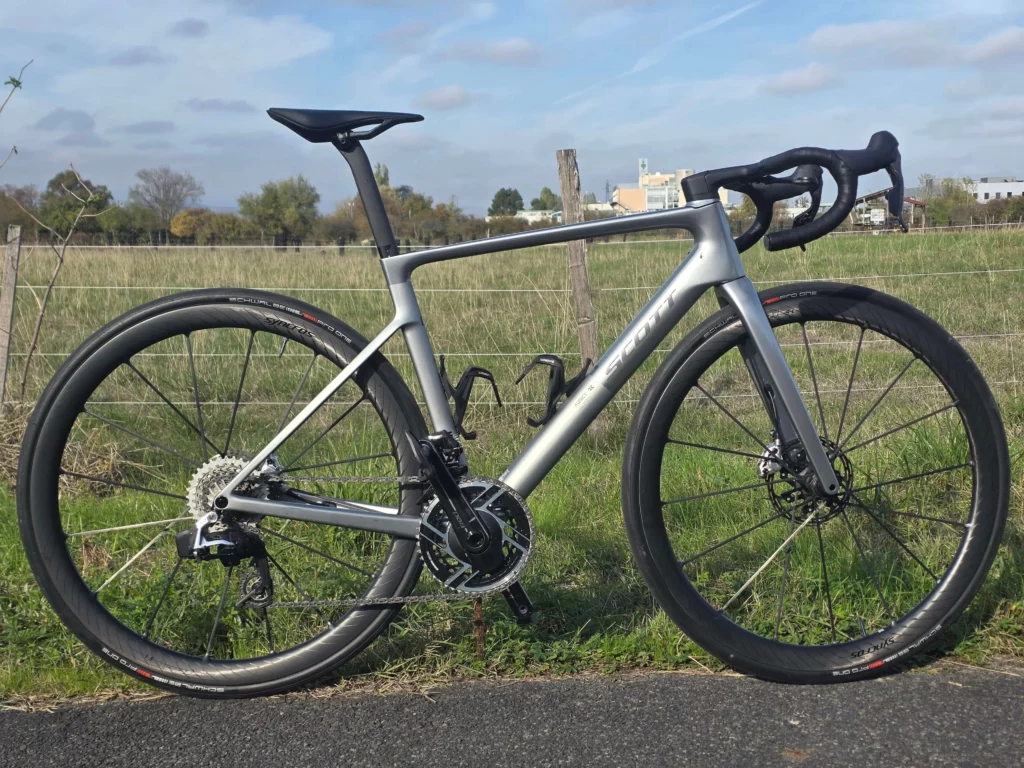
In total, 2000km were travelled on all types of routes, from the Ain plains to the Vercors pass, on rough roads as well as on real billiards. The test bike is a Scott Addict Ultimate equipped with SRAM Red AXS, shoes of Schwalbe Pro One in 30mm (30.4mm measured on the rim) swollen between 3,5 and 4 bars, first with Aerotan TPU rooms, then in tubeless. There is no shortage of benchmarks: Corima CMC 45, DT Swiss ERC 1100 and Newmen Street Allround Vonoa, among other pairs spent on my bikes in recent months.
Contents
Presentation and control
Placed on balance, Syncros Capital SL 40 display 1202g tubeless valves included, against the 1170g announced by Syncros (540g for the front, 630g for the rear). A 32g gap that the valves largely explain. For a 40mm profile, it is simply one of the lightest pairs on the market.
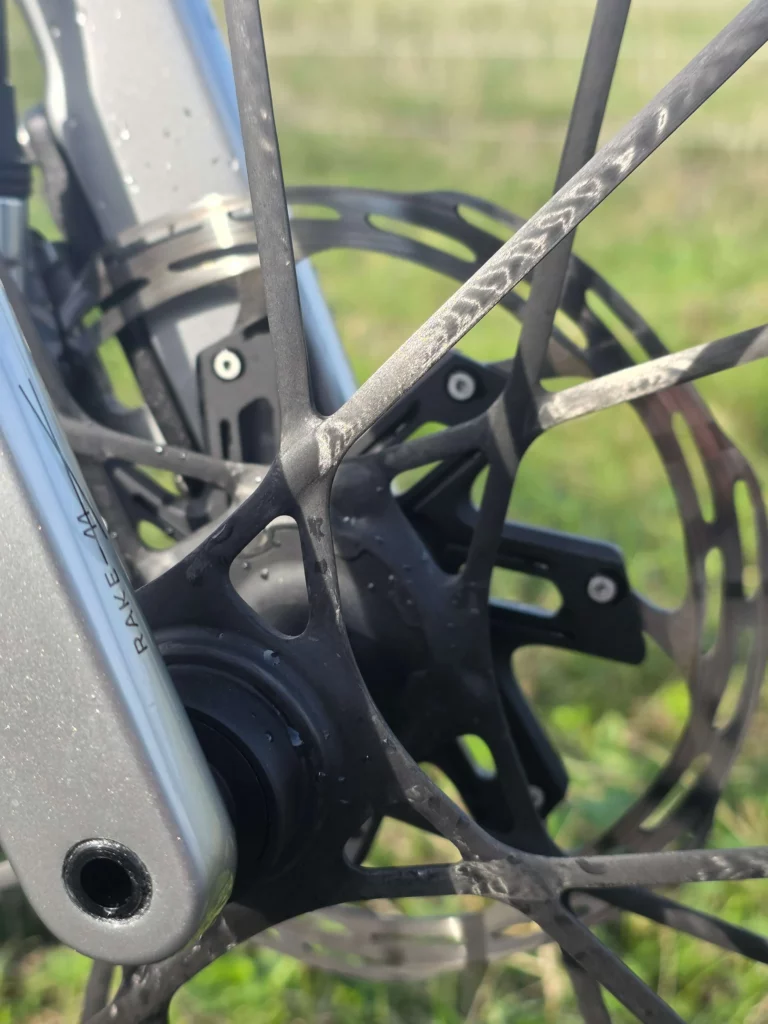
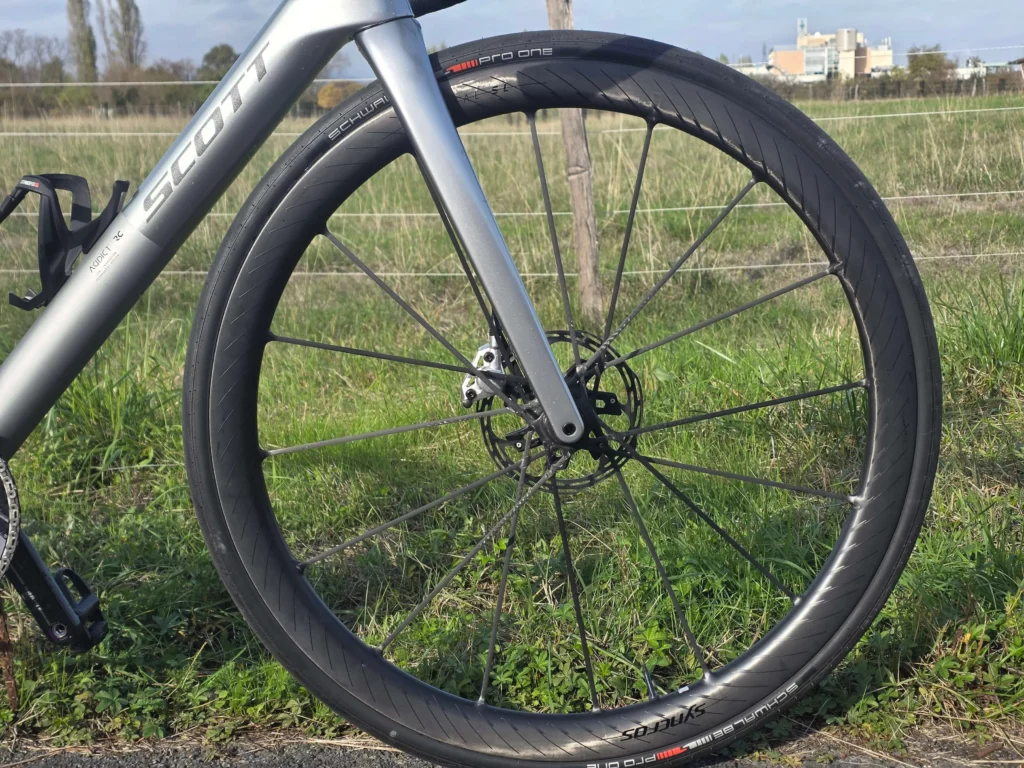
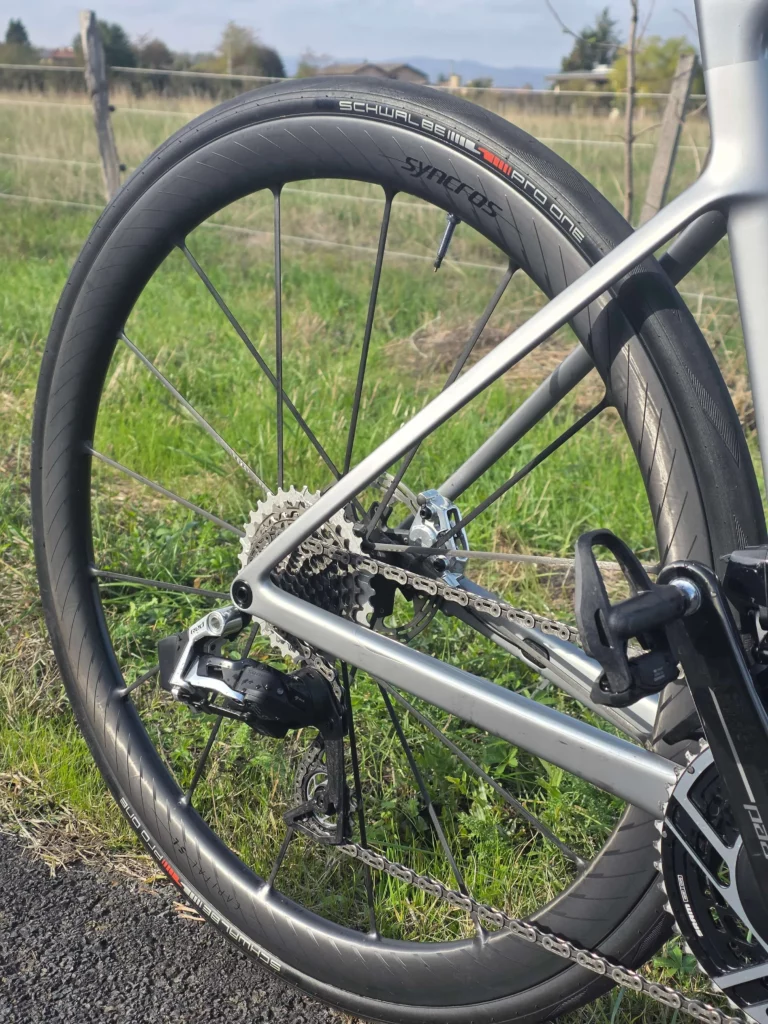
The first contact surprises, even when you know the data sheet. 16 carbon rays at front and rear, crossed once and merged between them at their intersection, depart from a hub with a reduced diameter. There is no nut at the end of the radius: the connection with the rim is made by a continuous carbon transition. And that's where those wheels impress. The finish is simply impeccable. The junctions between spokes and rim are magnificent, the curves chain without breaking from the hub to the rim edge, and the design does not resemble any other wheel. The surface has also shown itself to be rather solid against the hooks: it does not mark quickly. A real jewel, and for once, the level of execution is up to the price requested.
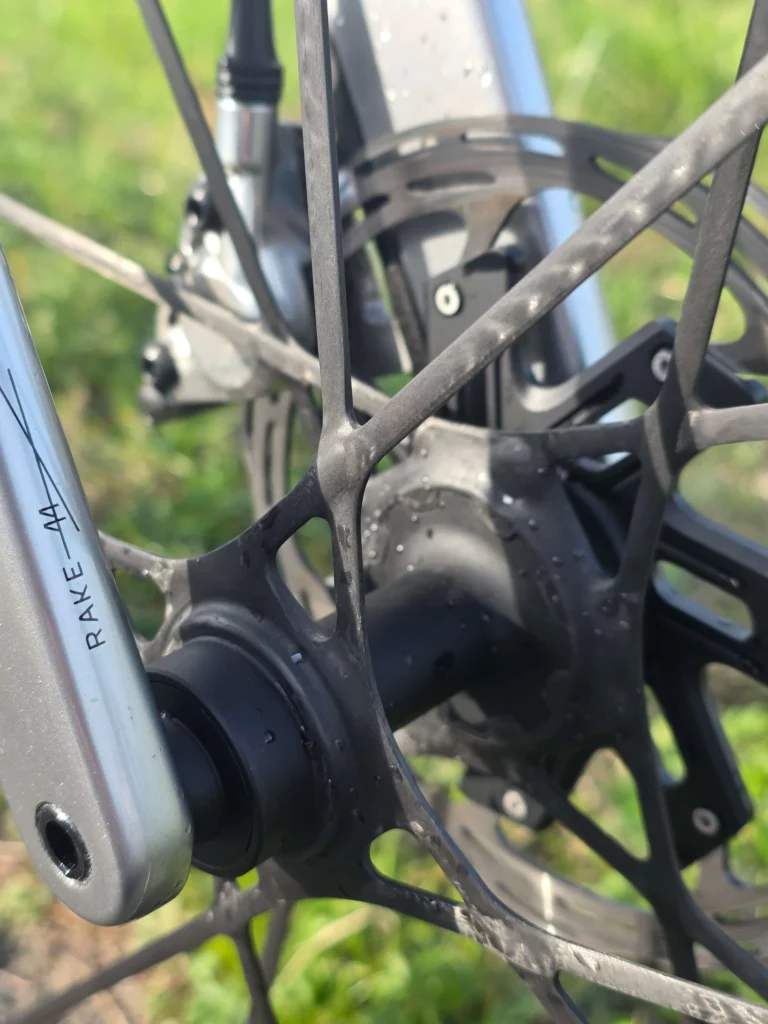
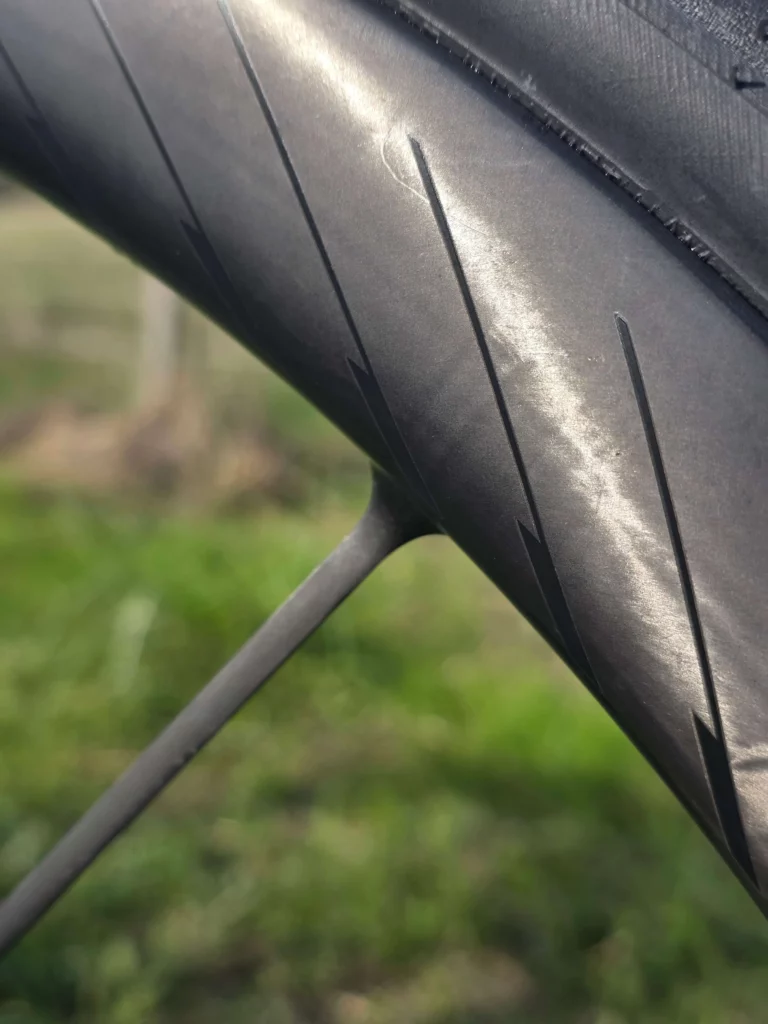
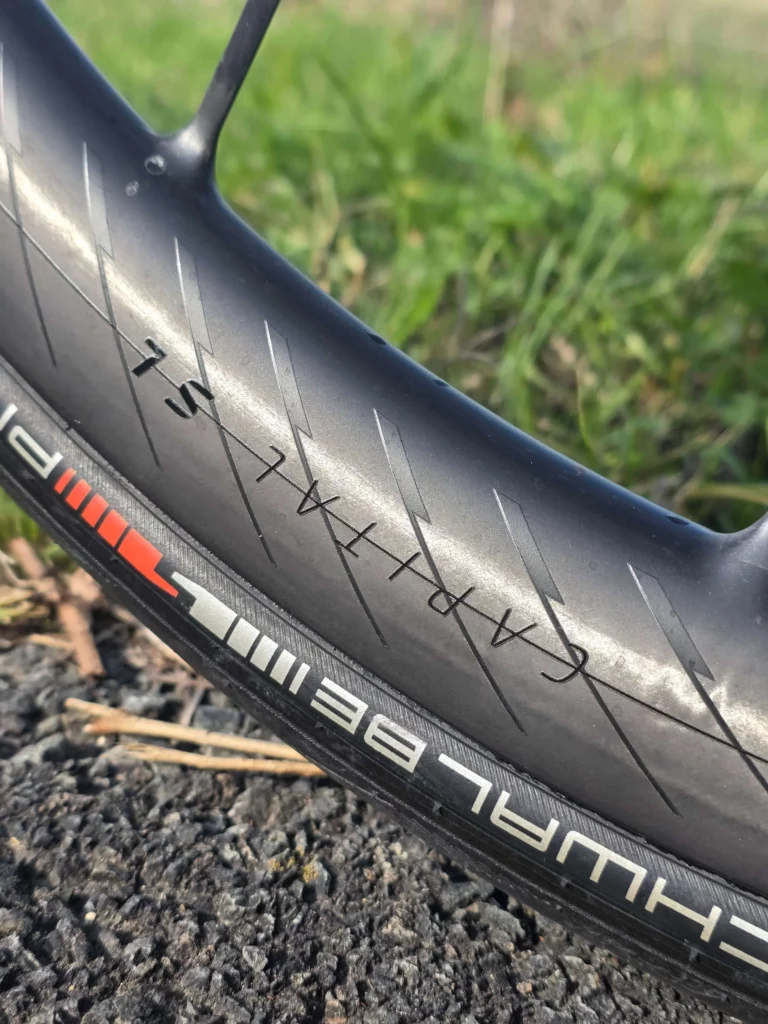
On the rim side, the 40mm profile comes with an internal width of 25mm, without hooks. Syncros developed these wheels with Schwalbe, who created for the occasion the Pro One Aero, available in front (aerodynamically oriented) and rear (rolling resistance oriented), in only 28mm. I didn't use it: my test was done in Classic Pro One 30mm. The hubs take over the machines DT Swiss 240 with freewheel Ratchet EXP, in a specific body glued into the carbon structure. The cassette body is offered in Shimano HG or SRAM XDR depending on the markets, and braking is in Centerlock.
The Monohull Wheel System: what the brand does not say clearly enough
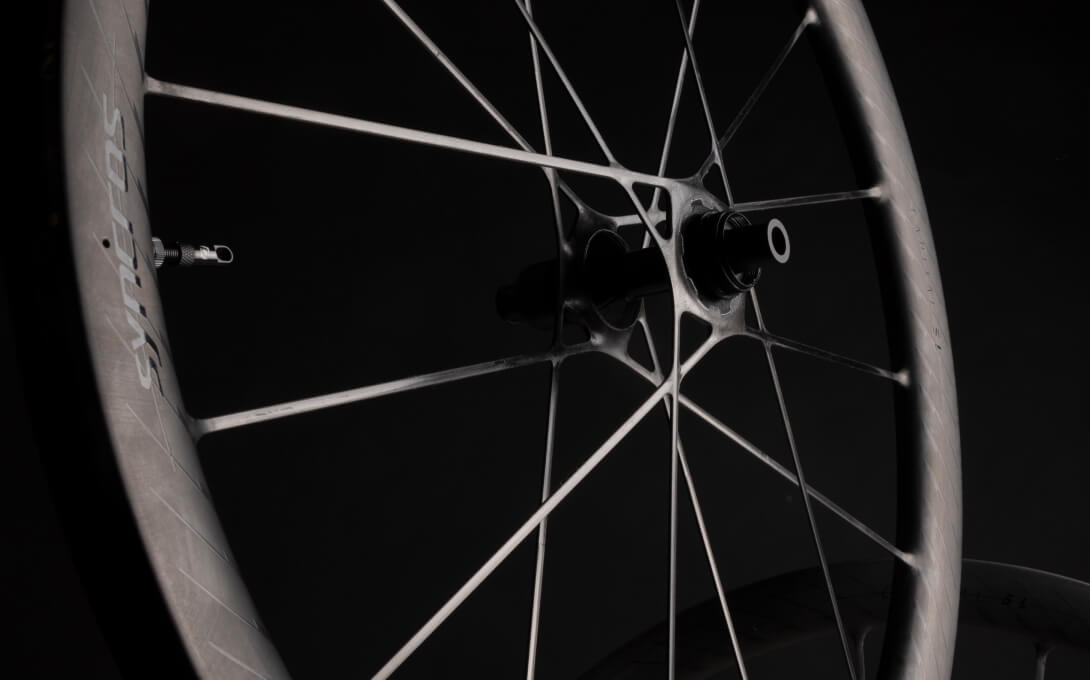
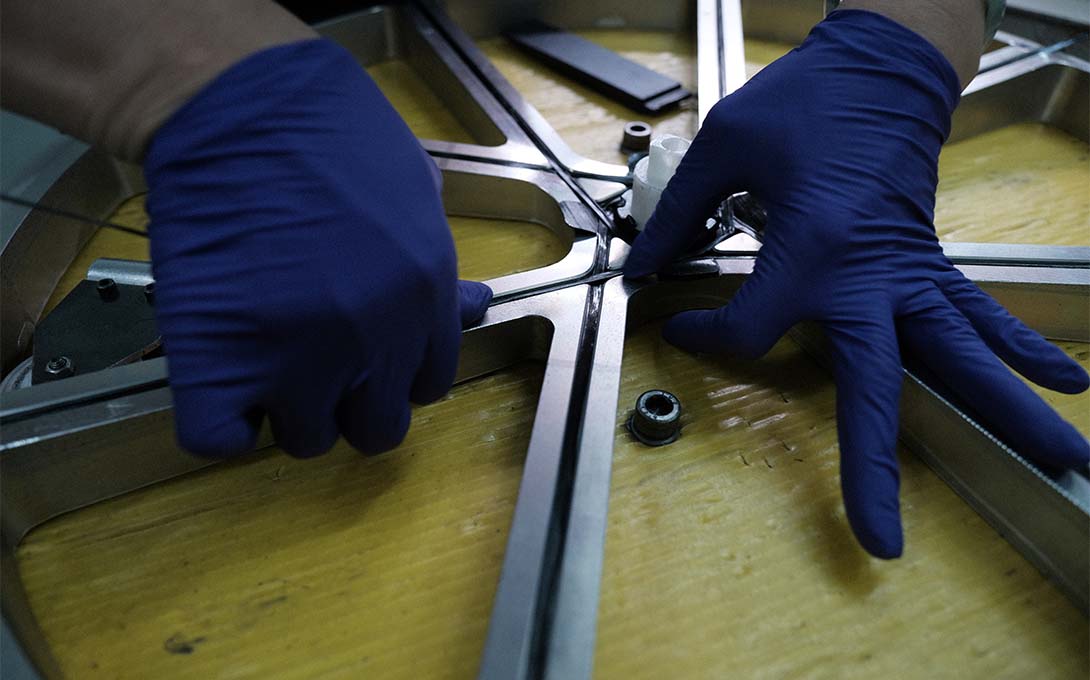
The MWS process is not new at Syncros: it was inaugurated in 2018 on the wheels MTB Silverton SL. On SL Capital, the principle has been refined. The rays run from one edge of the rim to the other through the hub, and the whole is moulded into a single Toray T1000 and M40 carbon cooking. The tension is not obtained by screwing nuts: it is the insertion of the central part of the hub after cooking that spreads the flasks and turns the rays on. Syncros talks about a « pre-drawing » which guarantees identical tension on all rays, and claims 35% carbon rays more resistant than steel rays.
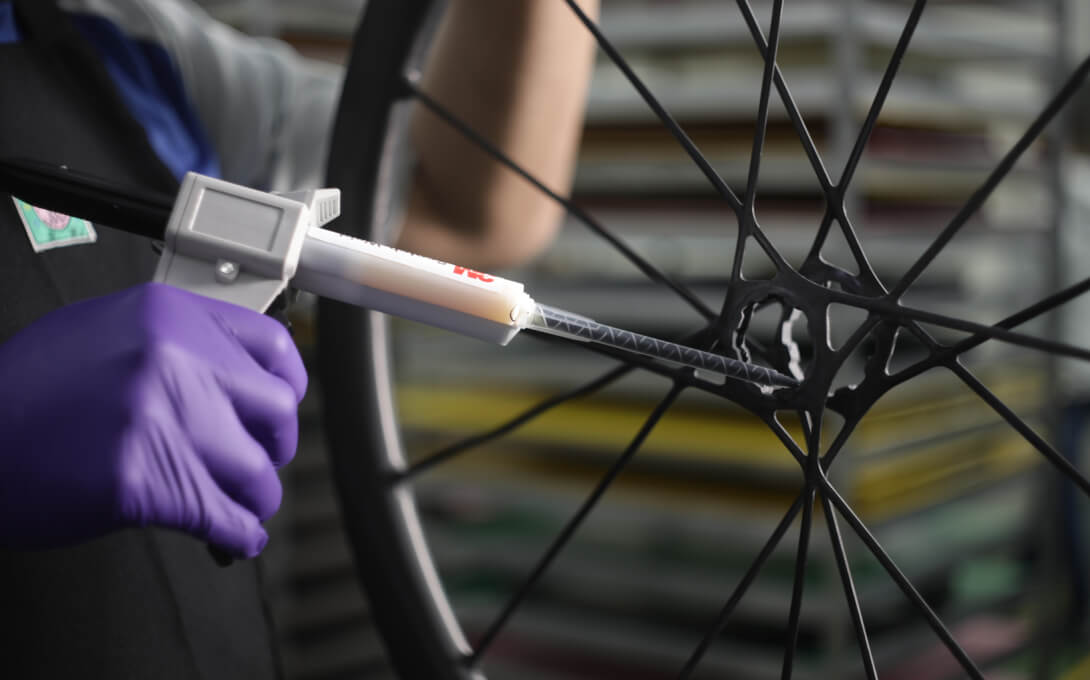
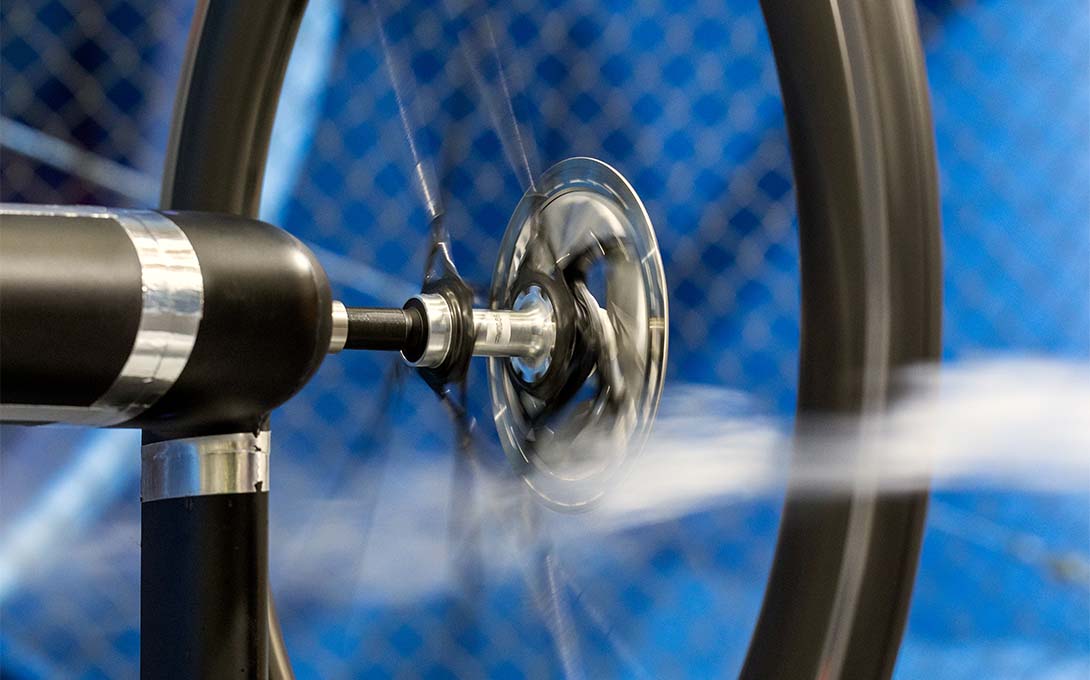
The figures announced are ambitious: about 7% less drag in front of a reference wheel (a Zipp 303 Firecrest), from nearly 200 simulated CFD configurations then validated in the windmill, and 20% less rotation inertia than a conventional carbon wheel, with the mass concentrated towards the hub. I have no way of checking the first number in the field. The second, on the other hand, feels very clearly, and not always in the way one imagines. I'll be right back.
What the mark puts much less forward is the back of the medal. A monobloc wheel does not reveal itself, does not straighten up and does not scratch again. A broken radius can condemn the whole wheel, where a classic wheel repairs for a few tens of euros. The risk is not zero, and it is the main reserve that can be expressed on the concept. Syncros responds with a 2-year warranty and a post-fall replacement program, which I detail in the balance sheet.
On the road
Tubeless assembly and first rolling
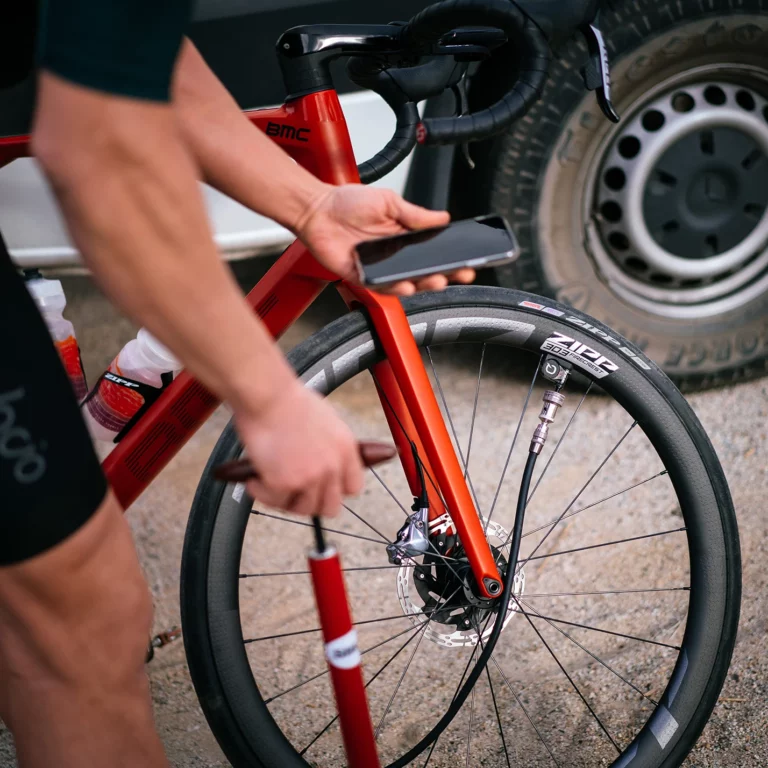
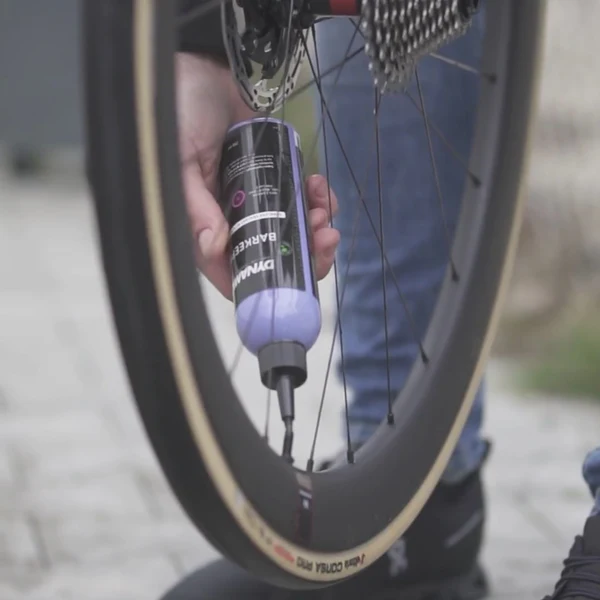
Wheel without hooks, the choice of tire is not free: Syncros publishes a list of approved tires and imposes a maximum pressure of 5 bars. Once this constraint has been respected, tubeless assembly is of exemplary simplicity. The Pro One 30mm set up without forcing and slammed without any difficulty. Nothing to report, and that's exactly what we expect from a wheel at that price.
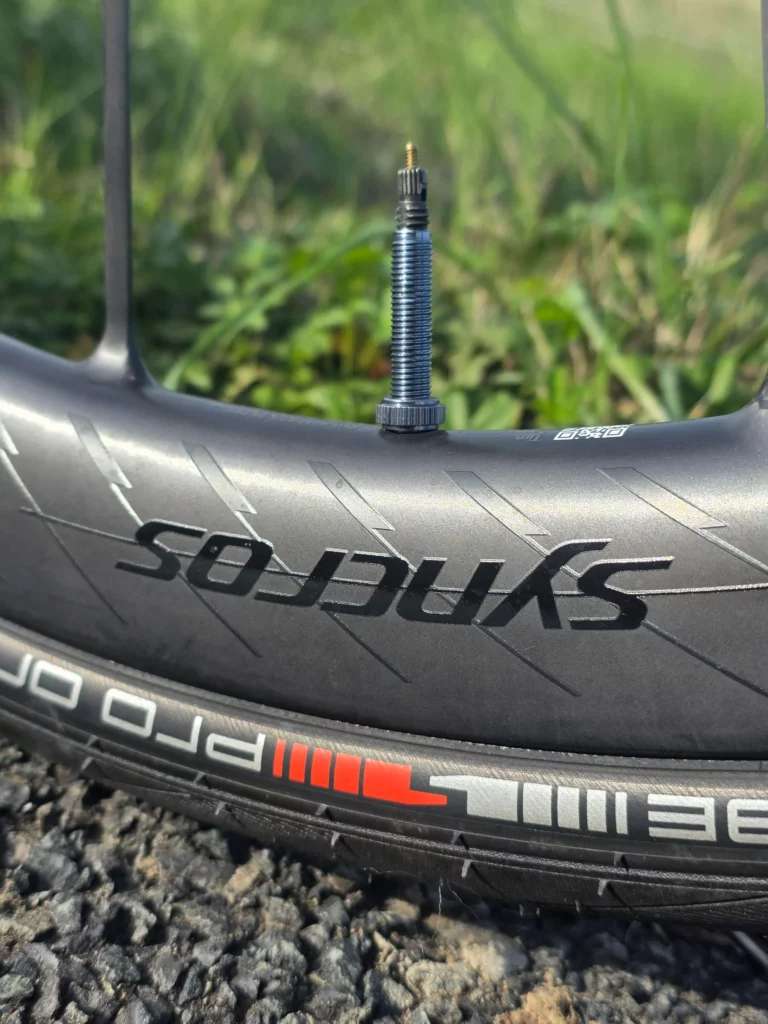
I first rolled with Aerothan TPU chambers, before going into tubeless. The choice is not insignificant on these wheels: the TPU chambers accentuate clearly discomfort and vibration. And they caused an unexpected inconvenience: repeated static electricity discharges. Maybe a personal sensitivity, but ultra unpleasant in the long run. The transition to the tubeless improves comfort, without adjusting everything.
Flat behaviour and inertia
The first kilometers on the flat are frankly confusing. We didn't feel like we were going back to inertia. felt with other wheels of this profile. Capital SL is silent in the wind: no rim resonance by side wind, no breath. The only noise comes from the freewheel. Result: neither the impression nor the feeling of speed usually provided by wheels of 40 to 45mm. This is the reverse of this mass concentrated towards the hub: less inertia of rotation, it is also less speed « stored » when driving at a moderate speed. On this ground, I loved the sound and the sensation of Newmen Street Allround Vonoa, this light whistle of the rays and this sensation of parade. I can't find them here.
Everything changes when you start rolling intensely. Between 40 and 50 km/h, these wheels come to life. Their rigidity brings the necessary dynamism to restart the pace, and each acceleration immediately translates into speed. It's really like this that we take pleasure with the Capital SL on the plate. Below, they do nothing wrong, but they do not provide this « parade » easy to find on more inert wheels.
Recovery and climbing behaviour
Obviously, as soon as the road rises, Capital SL is starting to play. All the qualities interviewed on the plate take on their meaning: lightness, rigidity, vivacity. Dancer revivals are sharp, the bike responds immediately, and the sensations are fantastic. The rigidity of the Corima CMC 45 was restored, perhaps with even more dynamism. It was in the Vercors pass that I best understood the philosophy of these wheels.
However, there is one condition: You have to be in shape. These wheels reward engagement. But when it all comes together, it's a real pleasure to ride with it. Light and lively, they are a big asset in hunting KOM.
Downhill behaviour
Nothing to report downhill, and that's a compliment. The behaviour is healthy and predictable, the wheel is well controlled. The relatively low profile of 40mm makes them reassuring at high speed, even with wind We're never surprised by a gust.
Comfort and filtration
The lightly curved carbon rays are readily given an effect « spring blade », which would make these wheels more comfortable than their construction suggests. That's not my experience. This is clearly the weak point of the SL Capital: their rigidity makes them uncomfortable. Too many vibrations go up to the cyclist, especially on rough roads, and neither the 30mm section, nor the tubeless passage is enough to compensate.
On a one-off trip, it is readily accepted in exchange for liveliness. But on a daily basis, this drought is a bit of a waste of experience, and I fear that it will become disappointing in the long term for those who ride a lot on degraded coatings.
Freewheel
Mechanics DT Swiss obliges, the sound is very close to that of the hubs of the Swiss brand. It screams, and very loud. Many see it as a flaw, some even consider it to be creaking. I'm one of those who loves. Be careful with sensitive ears, but in town or on a bike path, it is a very useful warning device to signal its arrival. Rather, judge:
The choice of hub deserves a comment. Mount DT Swiss 240 mechanics on a pair to 4000€ It may be surprising. With the 240, Syncros ensures optimal reliability and familiar maintenance of all the workshops, but the choice remains very conservative and classic at this price level. We logically find the usual steel bearings of the brand. Disappointing on paper for such a tariff, even though it is known that the ceramic bearings On the road.
Syncros Capital SL 40 test report
At the end of the 2000km, The balance sheet is mixed. Capital SL 40 excellent where they are expected: manufacturing, lightness, responsiveness. As soon as the slope mixes or the slope exceeds 40km/h, they provide fantastic sensations. But they make it pay in comfort, and they do not provide this sensation of easy speed on the dish at moderate speed.
The question of price remains, and it weighs heavily. At 3999.80€ The pair, we buy a wheel that we can't fix in case of a broken radius. The replacement program after the fall of Syncros is reserved for the first owner, over 3 years, and passes through a licensed dealer: it offers a 50% discount on the public price in the first year, 30% the second and 20% the third. Concretely, based on the public price of the front wheel (1799,90)€), a fall in the second year still costs you about 1260€ for the only front wheel. We can quickly end up losing a lot of money on the case. Hence a price/quality rating limited to 5/10, despite a finish that alone justifies much of the price.
These wheels make sense for the fit climber, who rides on good coatings and seeks the maximum lightness and vivacity for his performance days. They have much less for the cyclist who wants a single pair to ride every day on all surfaces, or who is not ready to take the risk of an irreparable wheel. For these, the Capital 1.0s range, whose steel beams replace itself, is a more reasonable alternative.
Technical specifications
| Model | Syncros Capital SL 40 (ref. 421130 AV / 421131 AR) |
| Profile | 40mm |
| Weight | 1170g announced pair (540g AV / 630g AR) / 1202g measured with valves |
| Construction | Carbon monobloc MWS (Monococci Wheel System): rim, spokes and flasks moulded in one piece, carbon Toray T1000 / M40 |
| Rays | 16 AV / 16 AR, carbon, crossed once and bound to intersection, without nuts |
| Wheels | Carbon without hooks, Tubeless Ready, tires approved only |
| Internal width | 25mm |
| Tyre section | 29 to 50mm |
| Pressure | 1.4 to 5 bars |
| Moths | DT Swiss 240 EXP customer, freewheel Ratchet EXP |
| Cassette | Shimano HG or SRAM XDR |
| Bearings | Steel (DT Swiss 240) |
| Braking | Centerlock Disc |
| Axis | Front 12x100mm / Rear 12x142mm |
| Max system weight | 120kg |
| Guarantee | 2 years + replacement after fall 3 years (first owner, 50% / 30% / 20% discount) |
| Accessories provided | Wheel cover, tubeless valves 60mm |
| Prices | 3999.80€ the pair |
FAQ
What is the real weight of Syncros Capital SL 40?
Placed on the balance, the pair displays 1202g tubeless valves included, for 1170g announced by Syncros (540g for the front, 630g for the rear). The 32g difference is largely explained by the valves.
Are Syncros Capital SL 40 comfortable?
That's their weak spot. Their rigidity transmits a lot of vibrations, especially on rough roads, even in 30mm tires swollen between 3.5 and 4 bar and in tubeless. The TPU rooms further accentuate discomfort.
Which cyclist are the Syncros Capital SL 40 for?
For the fit climber, who rides on good coatings and seeks the maximum lightness and vivacity for his performance days. They are less suitable for everyday use on degraded roads, or for whom the risk of an irreparable wheel is not accepted.
Can we repair a Syncros Capital SL wheel in case of broken radius?
No, not in the classical sense. Since the wheel is moulded in one piece, a radius is not replaced. Syncros offers a 3-year replacement program for the first owner (50%, 30% and 20% discount on the public price) and directs limited repairs to a network of licensed workshops.
What tyres are mounted on the Syncros Capital SL 40?
The rims are without hooks, with 25mm of internal width: only syncros approved tubeless tires are allowed, with a maximum pressure of 5 bar. The reference tire is the Schwalbe Pro One Aero in 28mm, developed with Syncros in specific front and rear versions.
What difference between Capital SL 40 and Capital SL Aero 60?
Both share the single block construction and the DT Swiss 240 EXP hubs. The SL Aero increases to 60mm of profile, with 23mm internal width at the front and 25mm at the rear, for 1290g announced the pair and 4199.80€ at launch.

Leave a comment