Hunt
If you are a cyclist curious about the evolution of the brands that shape our sport or a enthusiast looking to understand how a company can upset the wheel market in less than a decade, this article on Hunt is for you. Founded in 2015 in the West Sussex, this British brand has been able to impose itself as a modern and accessible alternative in the world of carbon and alloy wheels. We will trace its history from its modest beginnings to its current status as a global benchmark.
Hunt's story: from idea to cycling revolution
2014-2015: A vision born in Sussex
The story of Hunt Bike Wheels begins in 2014, in the village of Partridge Green, West Sussex, UK. Tom Marchment, a veteran of the British cycling industry with more than 12 years of experience in giants like Evans Cycles, feels growing frustration with the wheel market. Too often, the available options are divided between low-performance entry-level models and high-end wheels that are unaffordable for the average cyclist. Together with his wife Luisa and his father John Marchment, a material engineer from Southampton University, he decided to fill this gap.
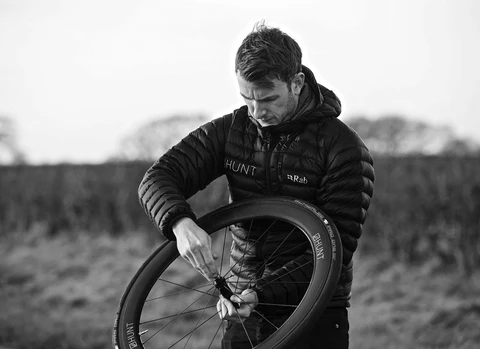
The idea germinates during a bike ride in the Sussex hills: creating robust, versatile and affordable wheels adapted to the real conditions of British roads – rain, wind, gravel. In May 2015, Hunt was officially born. Their first range, the « 4 Season », is designed for commuters and all-season rollers. These alloy wheels, ready for the tubeless, offer a light and reliable alternative to the standards of the time. Sold directly to consumers via a nascent website, they were immediately successful, exhausting pre-orders even before they arrived in stock. This launch lays the foundation for a brand that favours practicality over marketing promises.
2016: The first steps and an affirmed identity
In 2016, Hunt moved to a higher speed. Tom and Luisa, now supported by a small team of engineers and passionate cyclists, set up in a modest workshop in Partridge Green. Their goal remains unchanged: to offer wheels that meet the real needs, tested on the local roads they know by heart. That year, they fine-tuned their production process, relying on Asian partners for the manufacture of rims, but maintaining the final assembly by hand in the UK.
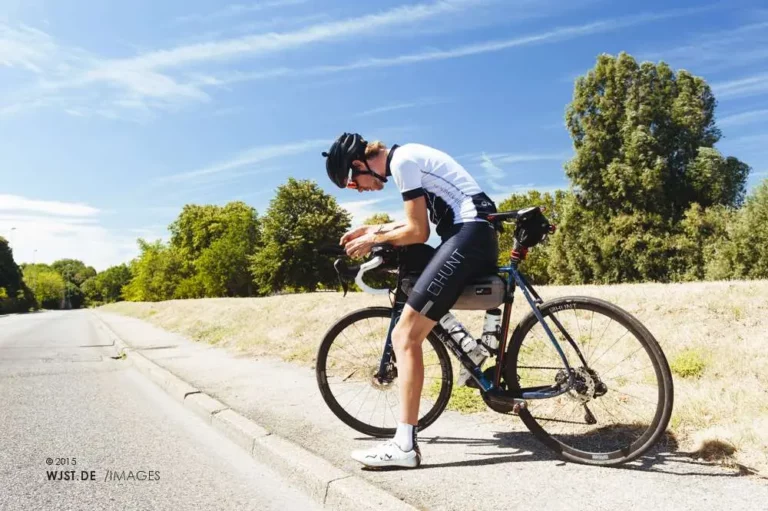
Hunt is also beginning to make a name for himself through a bold strategy: transparency. Each wheel is accompanied by detailed technical data – weight, materials, tests – rare among competitors. This approach seduces a growing community of amateur and semi-pro cyclists, sensitive to this commitment. In parallel, the brand sponsors local riders such as Josh Ibbett, who won the Transcontinental Race 2015 on Hunt prototypes. These victories, though modest, attract attention and validate their concept on the ground. At the end of 2016, Hunt teases its first carbon wheels, an ambitious project that marks a decisive step.
2017-2018: Carbon turn and growing recognition
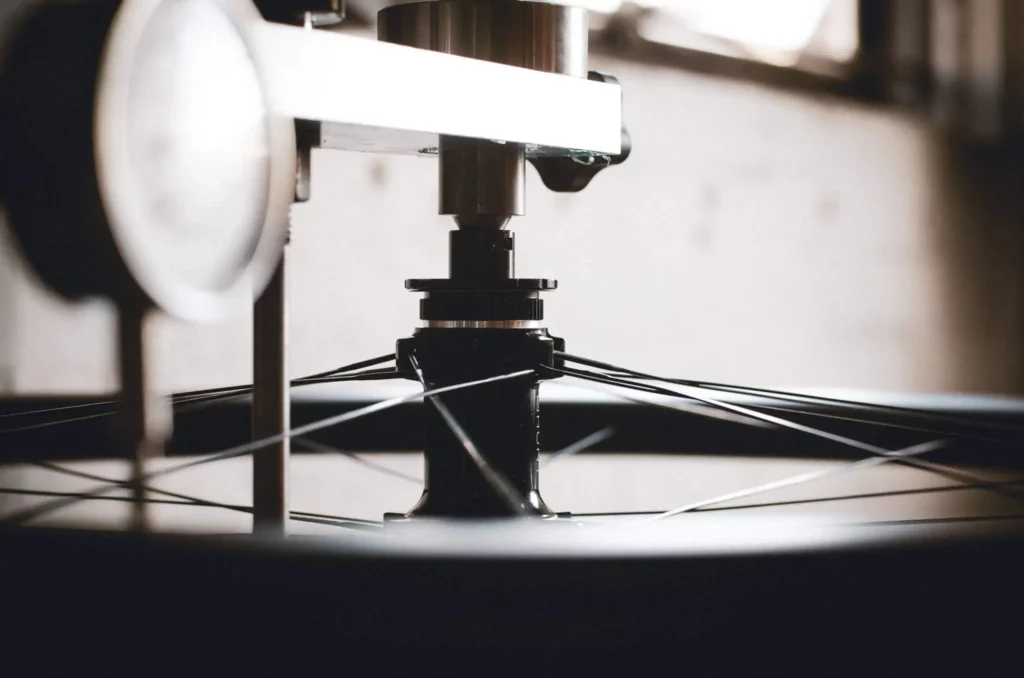
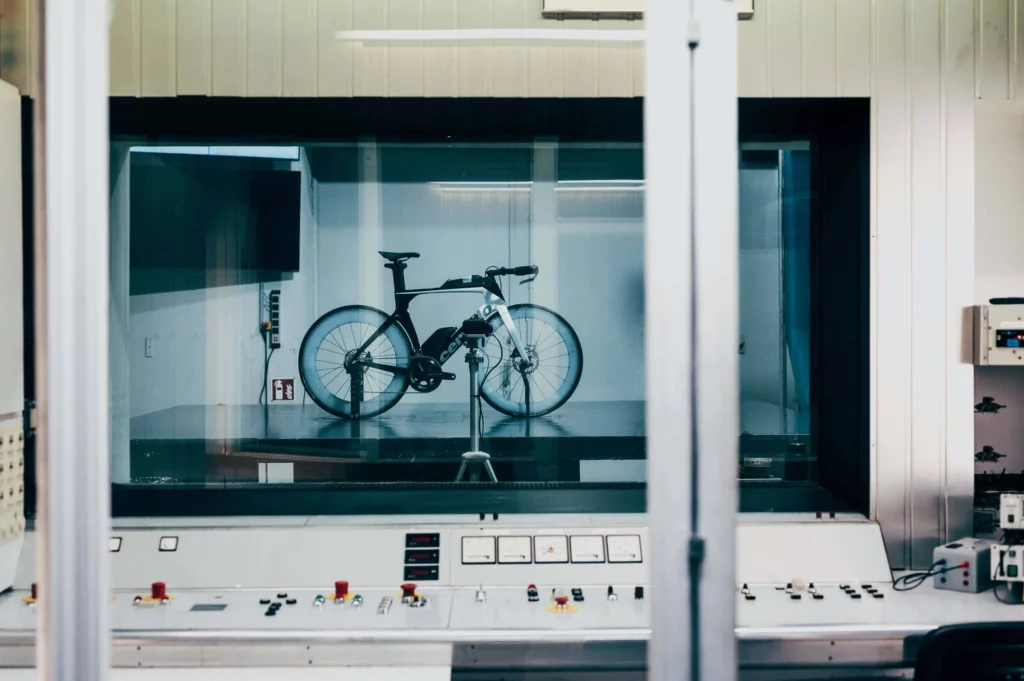
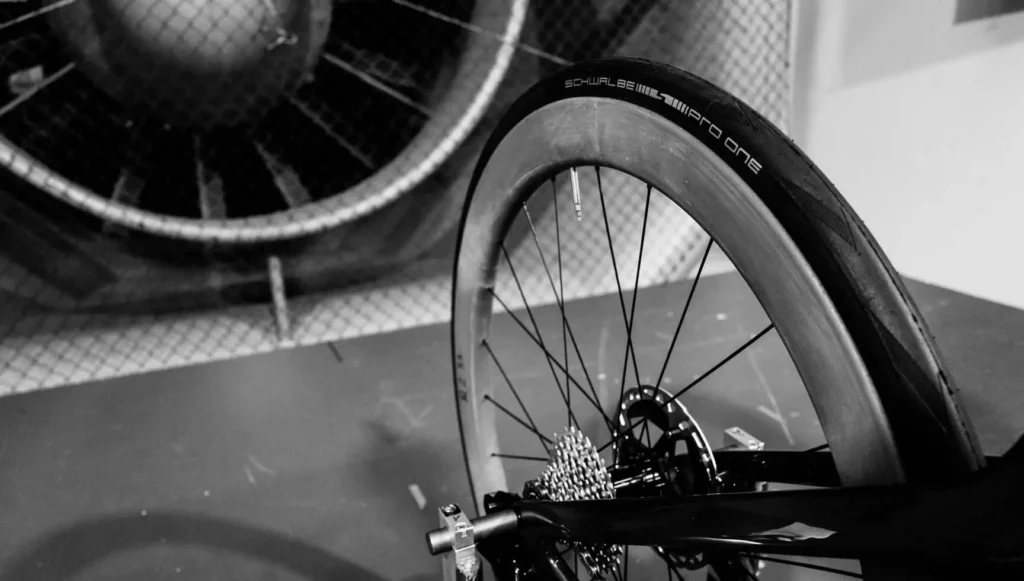
The years 2017 and 2018 are pivotal. In 2017, Hunt launched the « 50 Carbon Aero », its first carbon wheels, designed to compete with established brands like Zipp or Mavic, but at a fraction of the price. These wheels, developed with British engineers and tested in a wind tunnel at Southampton University, are impressed by their lightness (about 1,500 g the pair) and their aerodynamics. Criticism of Cycling Weekly and BikeRadar their value for money, while cyclists from around the world are beginning to adopt them.
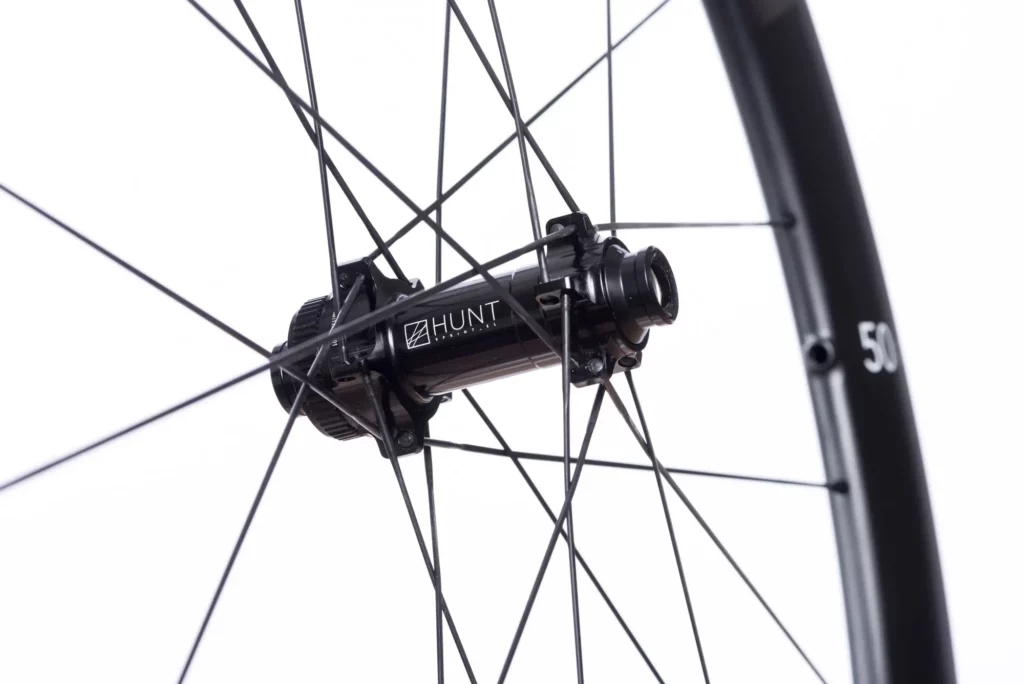
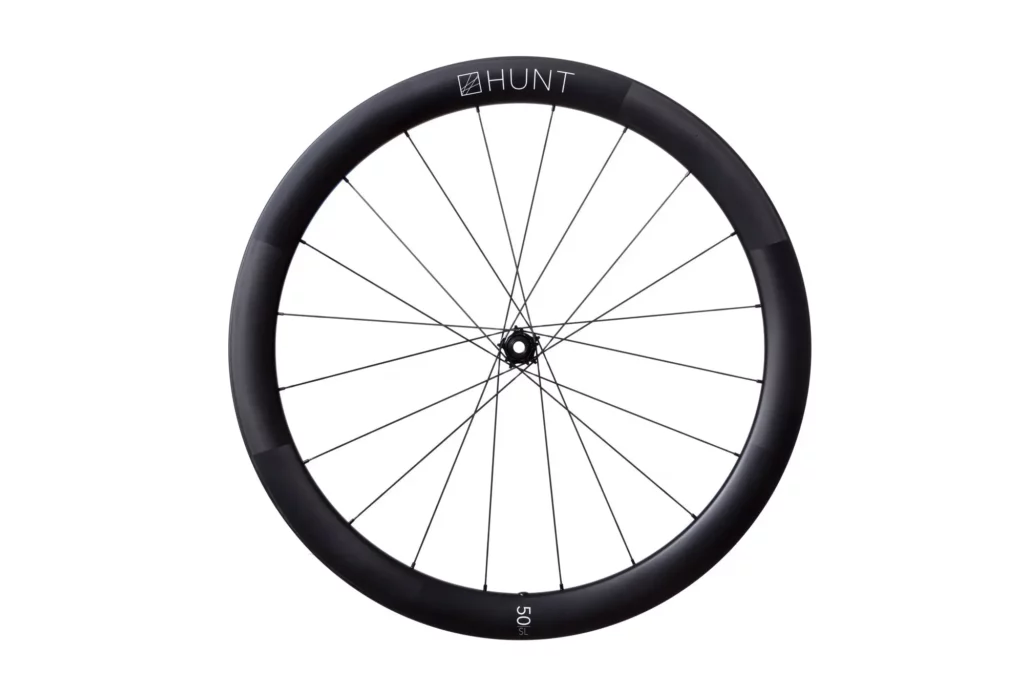
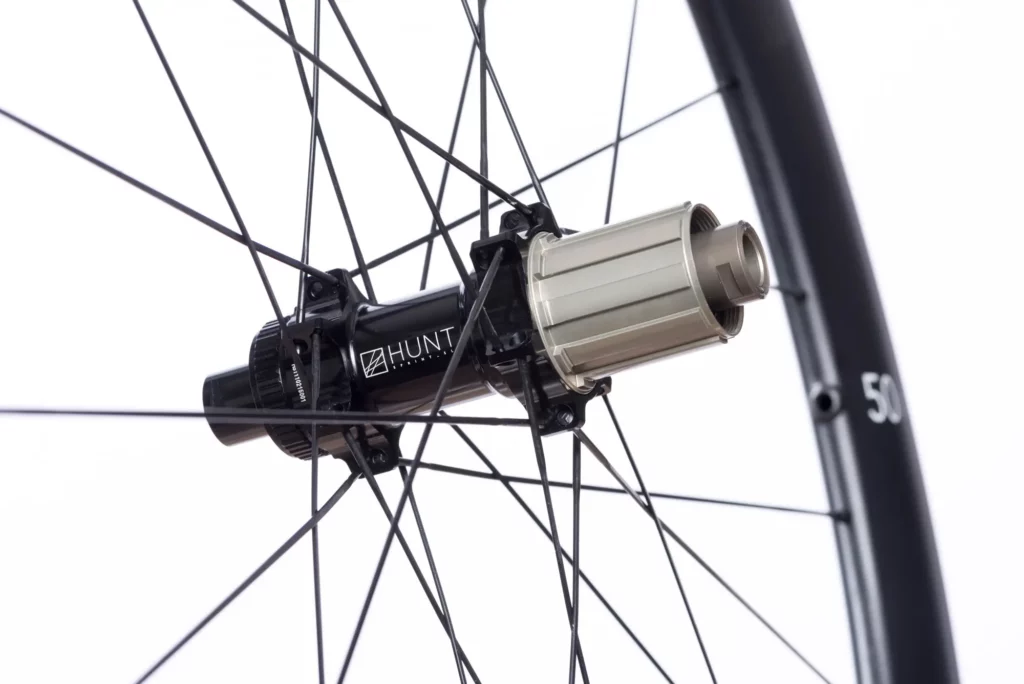
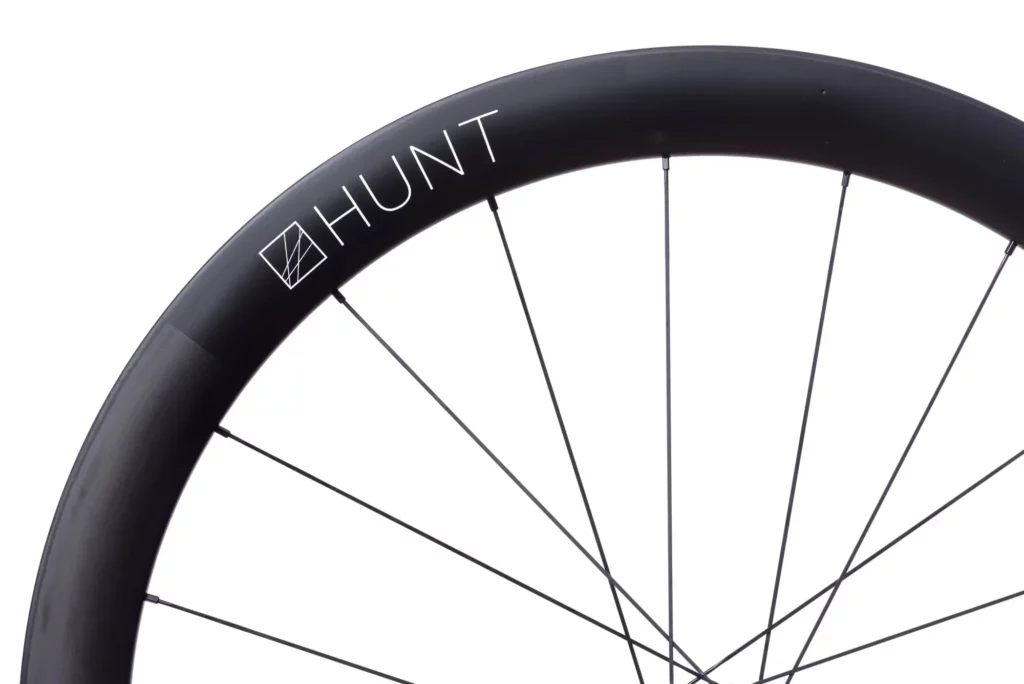
Hunt capitalizes on this success by diversifying its offer: wheels for road, gravel and even alloy drive models. Their business model – direct sales, without intermediaries – allows them to maintain competitive prices, often around 900-1100€ for carbon pairs, against double in historical leaders. In 2018, they introduce a replacement policy in case of crash (50% reduction on damaged parts), strengthening their brand image close to users. These years also saw the team grow, with the arrival of aerodynamics and logistics specialists, preparing Hunt for an international expansion.
2019-2020: International Flight and Adaptation to New Trends
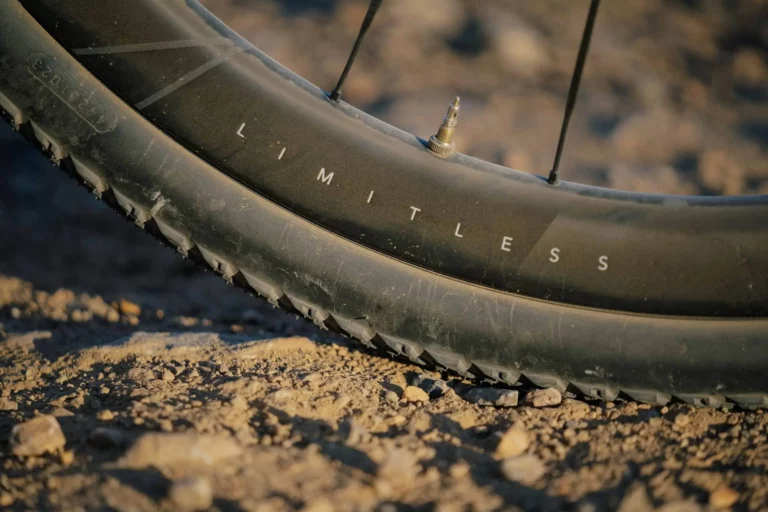
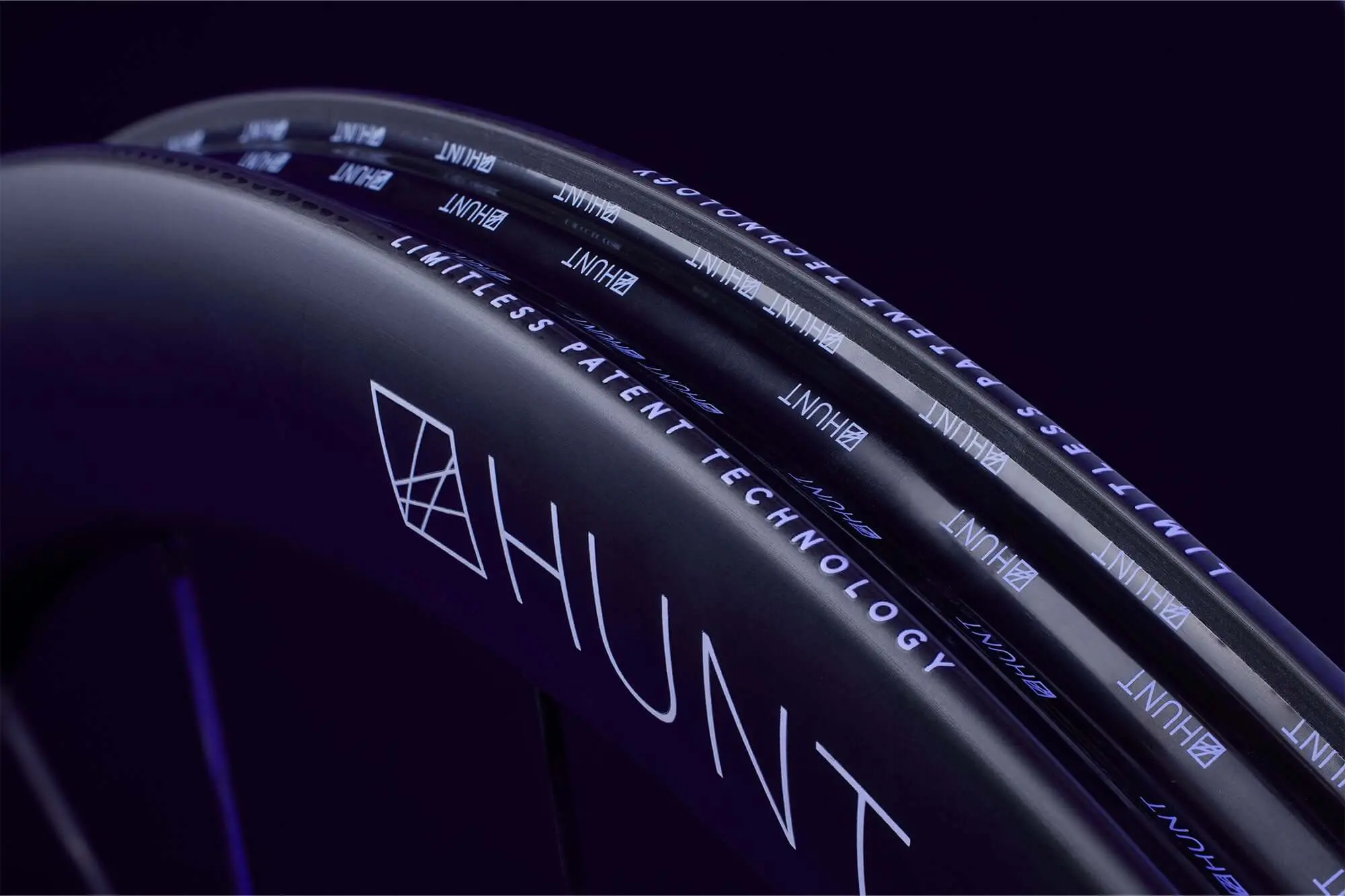
In 2019, Hunt crossed a strategic course. The request explodes, carried by praiseworthy opinions and a powerful word of mouth on cycling forums. The brand responds with the series « Limitless« , carbon wheels with extra-wide rim (up to 36 mm internal), thought for the gravel and modern road. These models, based on CFD simulations (computational fluid dynamics) and rigorous tests, surpass references such as Zipp 303 in aerodynamics, according to independent studies published by Cyclingnews. This success attracts a wider clientele, from adventurers to competitors.
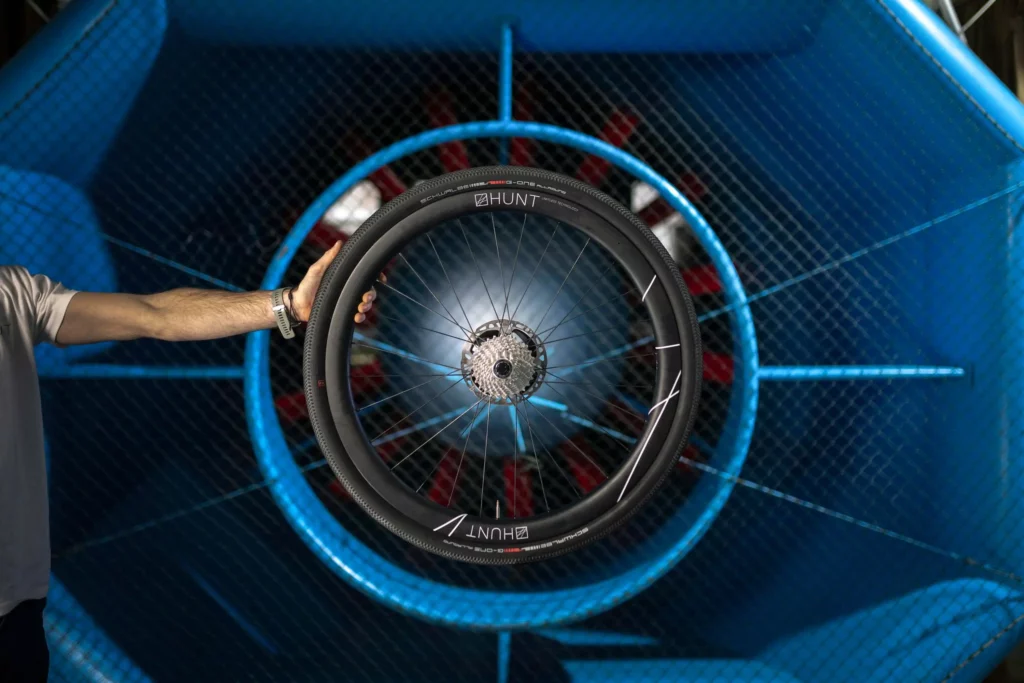
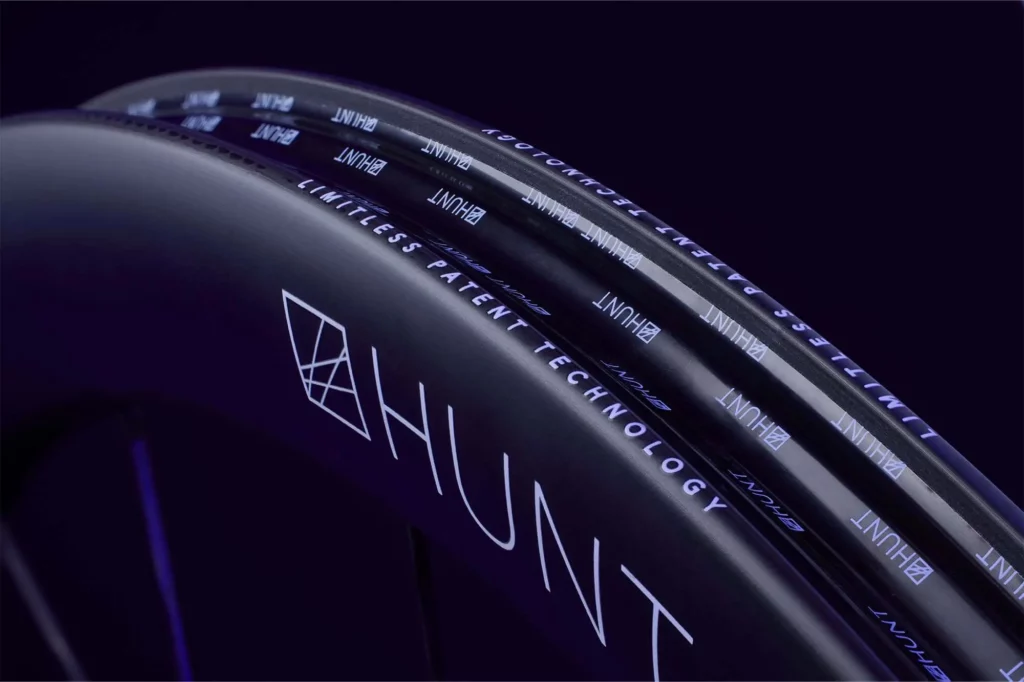
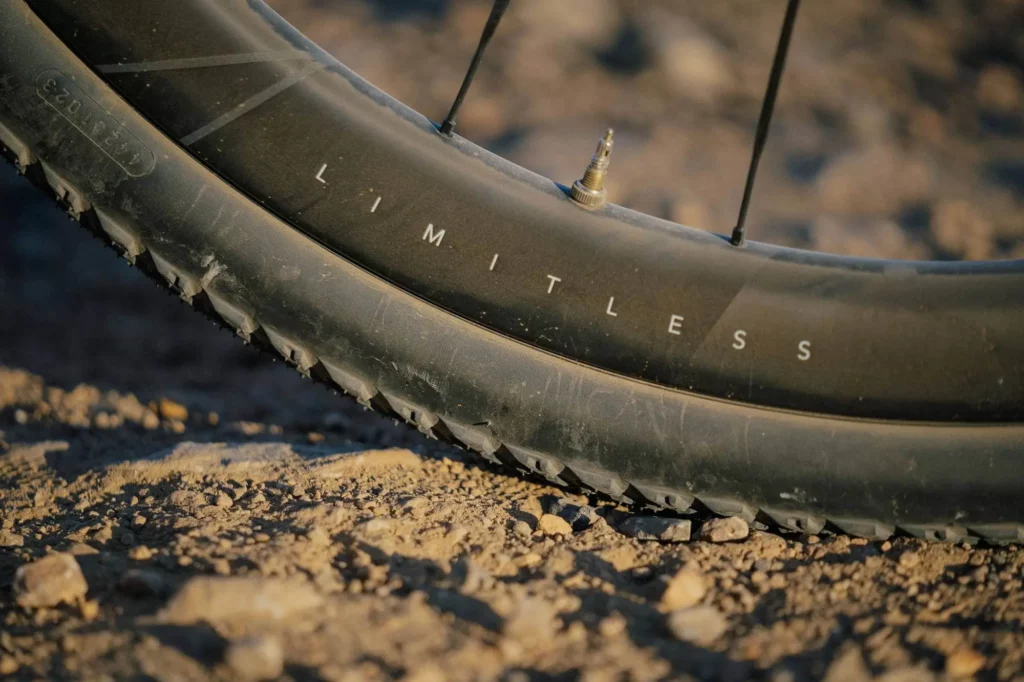
In 2020, Hunt laid a foot in the United States by opening an office in Boulder, Colorado, a strategic cycling hub. This expansion coincides with a period of challenges: the global pandemic disrupts supply chains, but Hunt adapts with agile logistics and local stocks. Their commitment to cyclists remains intact, with free delivery times and responsive customer service that become key arguments. At the end of 2020, partnerships with gravel and ultra-distance teams, such as the Silk Road Mountain Race, are strengthening their international presence. Hunt is no longer a small local brand: it becomes a world-renowned name.
2021-2022: Diversification and Community Engagement
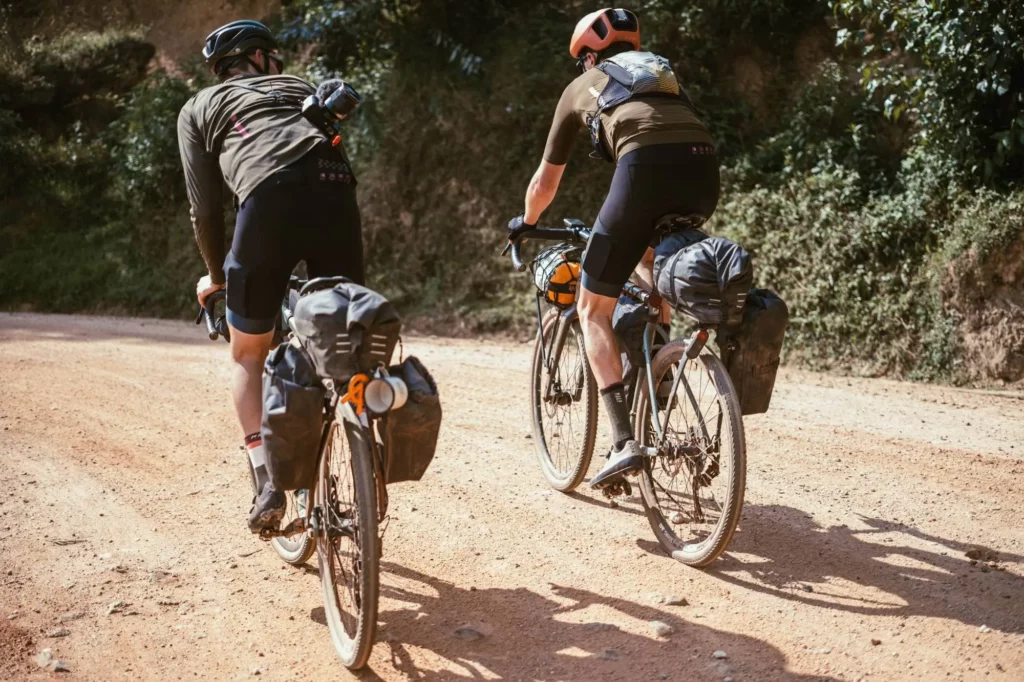
From 2021 to 2022 Hunt consolidated his achievements while expanding his horizon. The team, now with about 20 members, invests in ambitious projects: specific wheels for the MTB (E_Enduro), advanced aerodynamic ranges (Aerodynamicist), and collaborations with athletes like Tyler McCaul or Isla Short. These partnerships are not cosmetic: each model is tested on extreme routes, from Scottish Highlands to American Trails, in order to ensure reliable and reliable.

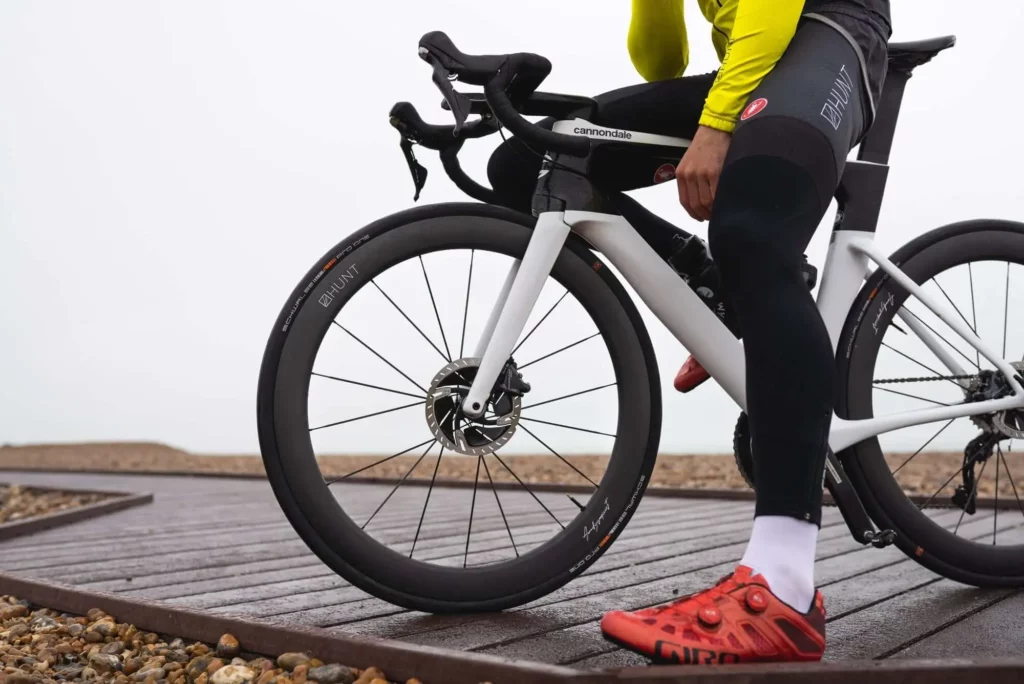
Hunt also strengthens his relationship with his community. Local events, such as wrinkles organized in Sussex, and an active presence on social networks (with explanatory videos on YouTube) keep their followers loyal. In 2022, they celebrate their millionth kilometre rolled by customers – an estimate based on user returns – and mark the occasion with a limited edition of their carbon wheels. This period saw Hunt establish itself as a brand that listens, innovates and grows with its users, while remaining anchored in its British roots.
2023 to present: a sustainable vision and a global reach
Since 2023, Hunt has added a new dimension to its history: sustainability. With the initiative « Sustain Phase One »The brand is reviewing its processes to reduce its carbon footprint, in collaboration with the Science Based Targets initiative (SBTi). Choices such as paintless spokes or recycled packaging are tested, without compromising performance – a balance validated by pro riders on races like the Paris-Roubaix Challenge. This ecological shift responds to a growing demand from modern cyclists, while projecting Hunt towards the future.
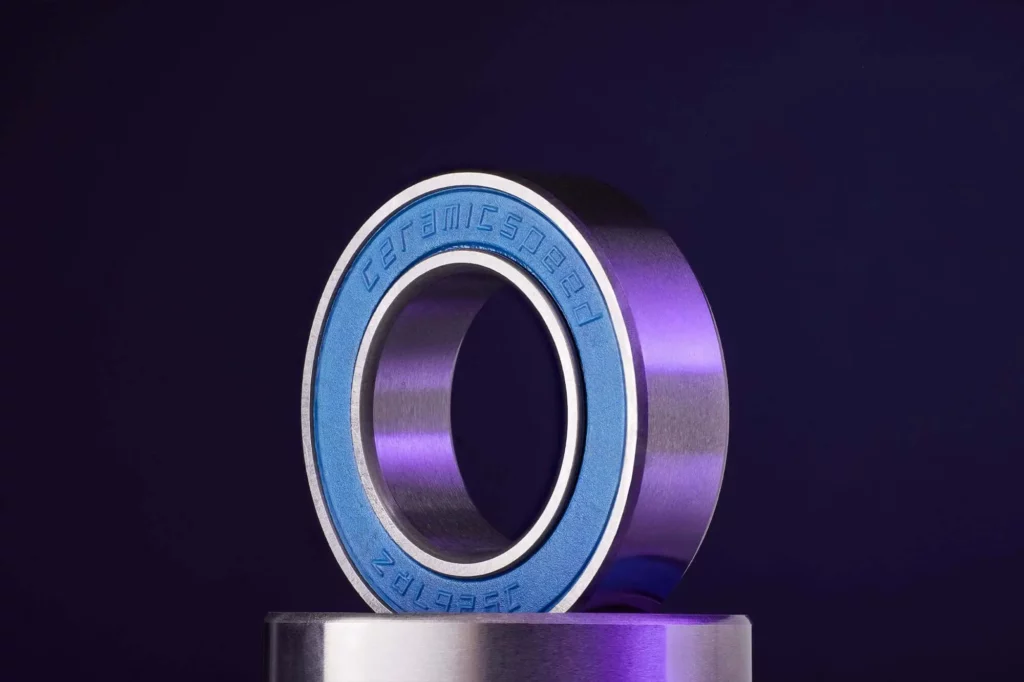
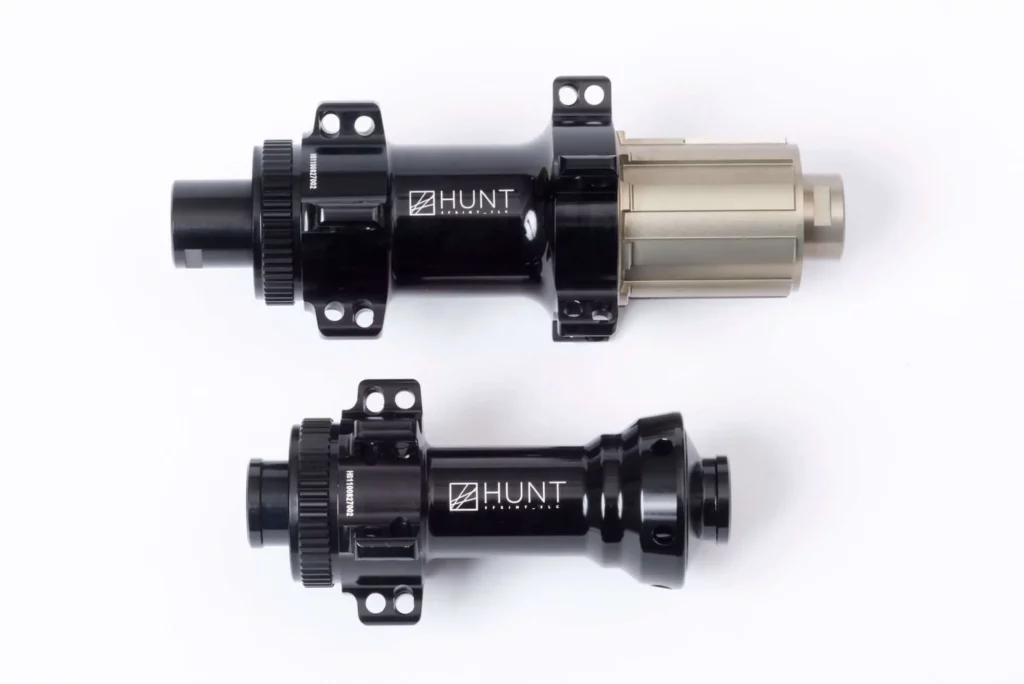
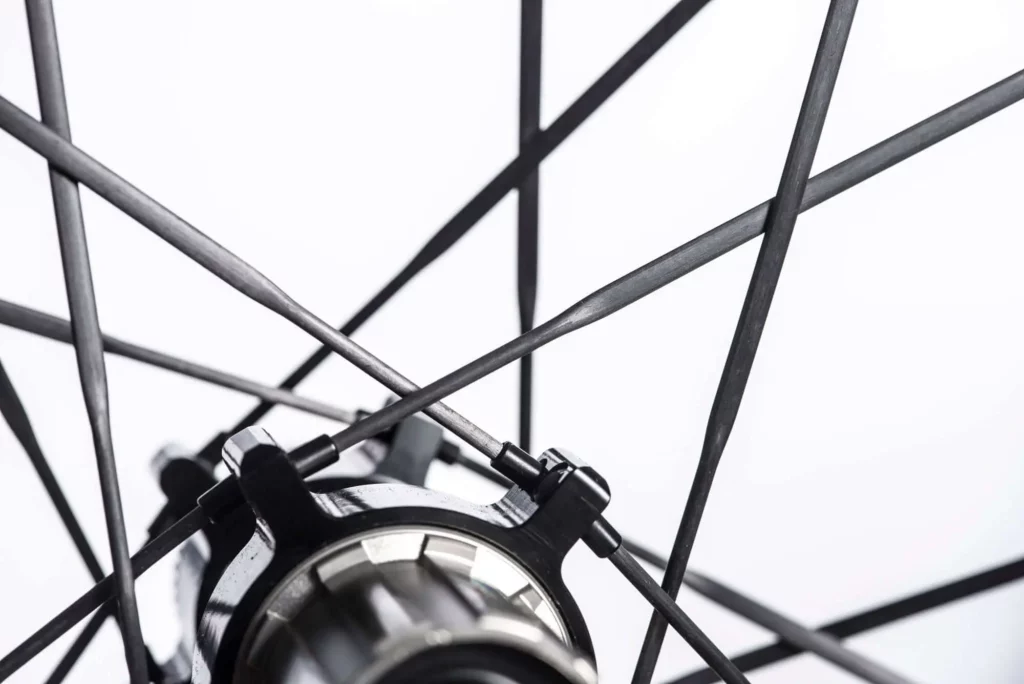
Today, in 2025, Hunt delivers to more than 150 countries from its headquarters in Partridge Green, now expanded to accommodate a team of about 30 people. Their wheels combine distinctions, such as the Editor road.cc, and equip cyclists from all walks of life – switches, ultra-distinctors, competitors. In less than 10 years, Hunt has moved from a dream in a garage to a world force, driven by a simple philosophy: high-performance wheels, accessible and designed to ride, not just to shine on a podium. Their story is that of a pragmatic success, rooted in passion and proximity to those who pedal.
More information on the Hunt official website